Thursday, 17 Sep, 2026

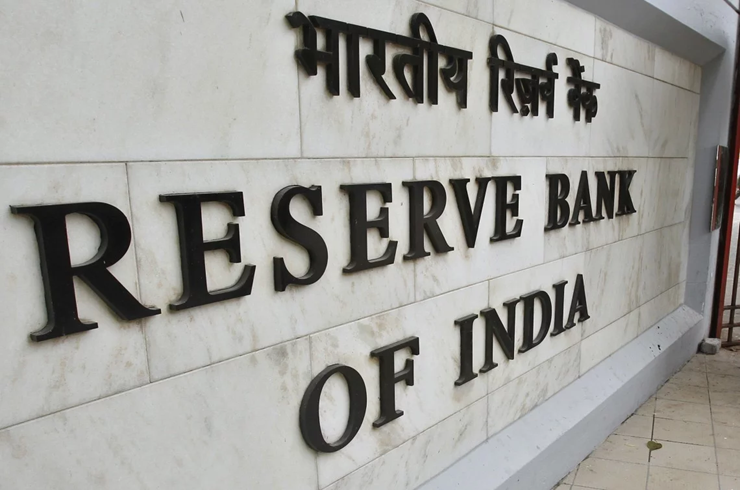
Foreign exchange reserves are assets held by a country’s central bank to support the national currency and ensure stability in the external sector. Image Source: IANS
On a cumulative basis, India’s forex reserves have increased by around USD 56 billion so far in 2025, indicating sustained strength in the external sector.
India’s foreign exchange reserves continued their upward trajectory with a sharp increase of USD 14.167 billion in the week ending January 16, taking the overall stock to USD 701.360 billion. This sizable jump reflects a combination of strong capital inflows, valuation gains, and the Reserve Bank of India’s active reserve management. With this rise, reserves are once again hovering close to the all-time high of USD 704.89 billion, reinforcing India’s improving external position.
Foreign currency assets, which account for the largest portion of the reserve basket, rose by USD 9.652 billion during the week to USD 560.518 billion. These assets are largely held in major global currencies such as the US dollar, euro, yen and pound sterling, and their value fluctuates not only due to inflows and outflows but also because of movements in exchange rates. The increase suggests a favourable balance between inflows such as foreign investments and external borrowings, and outflows linked to trade payments and debt servicing.
Gold reserves also registered a notable increase, rising by USD 4.623 billion to USD 117.454 billion. Apart from any fresh purchases, gold reserves tend to benefit from changes in international gold prices, which have remained elevated amid global economic uncertainty and geopolitical risks. A higher share of gold in the reserve portfolio provides diversification benefits and reduces dependence on any single currency, thereby strengthening the overall stability of the reserve position.

Source: Reserve Bank of India
The RBI has repeatedly underlined the adequacy of India’s foreign exchange reserves. Following its monetary policy review in early December, the central bank stated that the current level of reserves is sufficient to cover more than 11 months of merchandise imports. Such a level of import cover is considered a strong buffer against external shocks, including sudden stops in capital flows, spikes in crude oil prices, or heightened global financial volatility. The RBI has also emphasized that the reserves are adequate to comfortably meet India’s external financing requirements, including debt repayments and balance of payments needs.
On a cumulative basis, India’s forex reserves have increased by around USD 56 billion so far in 2025, indicating sustained strength in the external sector. This pace of accumulation is significantly higher than in 2024, when reserves rose by just over USD 20 billion. In 2023, reserves had expanded by about USD 58 billion as global conditions stabilized after a turbulent phase. These gains followed a sharp drawdown of nearly USD 71 billion in 2022, when aggressive monetary tightening by advanced economies, a surge in global commodity prices, and heightened geopolitical tensions led to capital outflows and increased pressure on the rupee.
Foreign exchange reserves are assets held by a country’s central bank to support the national currency and ensure stability in the external sector. They serve multiple purposes, including financing imports, servicing external debt, and providing confidence to investors and rating agencies. In India’s case, the RBI plays an active role in managing liquidity in the foreign exchange market. It typically buys foreign currency when inflows are strong and the rupee is appreciating, and sells reserves during periods of excessive volatility or currency weakness. This approach allows the RBI to smooth sharp movements in the exchange rate, maintain orderly market conditions, and preserve financial stability without targeting a fixed level for the rupee.