Monday, 21 Sep, 2026

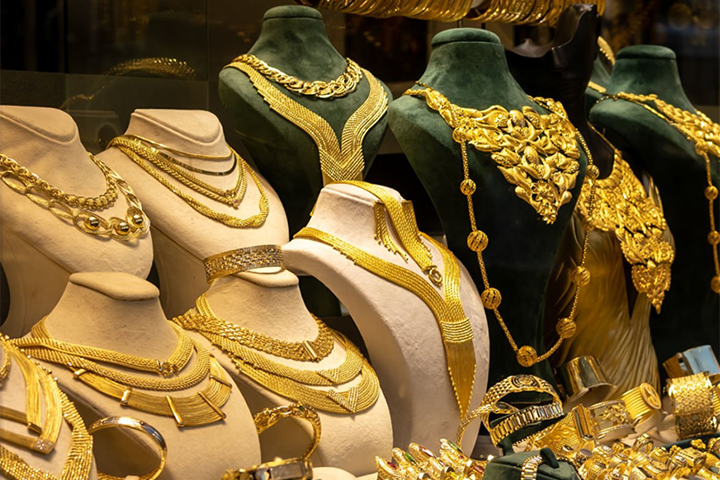
Photo courtesy: Pixabay
As the precious metals import bill swells and the rupee comes under pressure, expectations are resurfacing that the Union Budget may include measures to curb gold and silver imports
India’s gold and silver import bill climbed to an unprecedented high in calendar year 2025, propelled overwhelmingly by a steep escalation in global prices rather than any surge in physical inflows. Industry estimates and analyst assessments indicate that the ballooning bill reflects a price shock more than a demand revival, reviving memories of past episodes when precious metal imports unsettled the macroeconomic balance.
Gold imports were valued at $58.8 billion during the year, while silver imports amounted to $9.2 billion, pushing the combined import bill for the two metals to nearly $68 billion. Together, they accounted for about 9 per cent of the total import bill of $750 billion in 2025. Despite the record value, the share of precious metals in overall imports remained unchanged from the previous year, suggesting that the rise has not yet distorted the broader trade structure.
The sharpest impact was seen in silver, where prices witnessed an extraordinary spike. During 2025, gold prices rose nearly 76 per cent, while silver prices more than tripled. This dramatic appreciation inflated import values even as volumes declined, underscoring how global price movements, rather than domestic consumption, dictated the import bill.
In physical terms, gold imports are estimated at around 630 tonnes, marking a steep decline of 27 per cent compared with the previous year. Silver imports fell more modestly, by about 6.5 per cent, to 7,158 tonnes, according to data compiled by London-headquartered bullion research firm Metal Focus. The divergence between falling volumes and rising values highlights the extent to which price inflation dominated the market.
Chirag Sheth, principal consultant at Metal Focus, indicated that the import bill needed to be viewed through the lens of prices rather than quantities. He explained that the rise in imports was largely a reflection of sharply higher prices and not increased buying. According to him, silver had been the principal source of distortion, having risen by over 200 per cent in a single year, thereby disproportionately inflating the overall bill.
Domestic demand conditions, meanwhile, appeared subdued. Market participants estimate that gold consumption in India declined by 15–20 per cent during the year as elevated prices discouraged purchases, particularly in the price-sensitive jewellery segment. This suggests that imports were driven less by end-user demand and more by the need to replenish inventories at much higher price points.
Industry executives also point to structural changes in global price discovery. Surendra Mehta, national secretary of the Indian Bullion and Jewellers Association, observed that international benchmarks for precious metals have become increasingly fragmented. He noted that while prices were earlier anchored to the London Bullion and Metals Exchange, they are now more dislocated and influenced by regional supply dynamics. In markets facing tight supply, prices tend to attract premiums, leading to what he described as a distorted price recovery phase.

India has encountered similar pressures in the past. In 2011, gold and silver together accounted for a record 12.7 per cent of total imports, triggering concerns over the widening current account deficit. That episode prompted the government to raise import duties on gold in stages and impose restrictions that stayed in place for nearly a decade. Some of those measures, however, produced unintended consequences.
In 2013, the government introduced the so-called 80:20 rule, requiring at least 20 per cent of imported gold to be re-exported as jewellery. The policy was aimed at conserving foreign exchange but ended up disrupting formal trade channels and encouraging smuggling. The restrictions were eventually rolled back in May 2014.
With the precious metals import bill swelling once again and the rupee facing pressure against the US dollar, concerns are resurfacing that the upcoming Union Budget could include steps to rein in gold and silver imports. Mehta said the bullion trade body has proposed an amnesty scheme under which households could deposit unaccounted gold with the government for eight years without scrutiny of its source, and receive it back at maturity without any tax liability.
Global prices continue to test new peaks. As per the latest bullion rates, gold is trading at around Rs 159,070 per 10 grams on January 27, up Rs 2,330 or 1.49 per cent. Silver is priced at around Rs 355,740 per kg, higher by Rs 20,230 or 6.03 per cent. Gold prices also remained firm in the global market. The yellow metal surged past $5,100 per ounce amid geopolitical tensions and renewed safe-haven demand. Silver and platinum also touched record levels, aided by a weaker US dollar and heightened political uncertainty. Analysts tracking the market suggest that political developments in the US are likely to remain a dominant driver of precious metal prices in the year ahead.