Thursday, 17 Sep, 2026

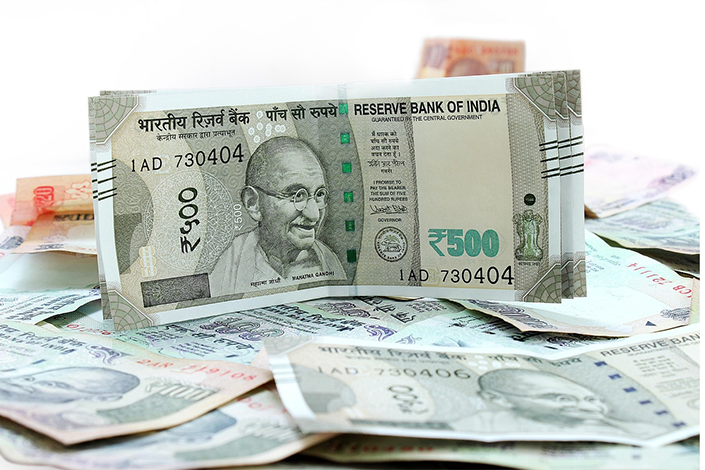
Photo courtesy: Pixabay
The widening gap between credit and deposit growth across states points to a deeper banking imbalance. Credit is expanding faster in states such as Gujarat and Tamil Nadu, while deposits remain concentrated in a handful of large, urbanised regions
The bank credit map in FY25 reveals a familiar hierarchy with some telling shifts beneath the surface. While Maharashtra continues to dominate in absolute terms—both in outstanding credit and deposits—the momentum story is increasingly moving south and west, led by Gujarat, Tamil Nadu, Karnataka and Telangana. The data underline how regional economic structures, consumption patterns and industrial depth shape the flow of bank finance.
According to the Reserve Bank of India’s Handbook of Statistics on Indian States 2024–25, Gujarat recorded the fastest overall loan growth in FY25 at 14.14 per cent, outpacing all other states. Tamil Nadu followed with 11.4 per cent, reflecting strong demand from manufacturing, MSMEs and retail borrowers. Maharashtra, despite its sheer size, saw slower growth but retained its position as the largest credit market in the country.
In terms of outstanding bank credit, Maharashtra remains far ahead of other states, followed by Delhi and Tamil Nadu. This dominance is not surprising. Mumbai is home to the country’s financial hub, large corporate borrowers, and a deep services economy. Even as growth rates moderate, the scale effect keeps Maharashtra at the top of the credit pyramid.
Retail lending patterns add another layer to the story. Maharashtra again ranked first in outstanding retail loans in FY25, followed by Karnataka and Tamil Nadu. These three states together account for a substantial share of India’s consumer credit—housing loans, vehicle finance, and unsecured personal loans—reflecting higher urbanisation, income levels, and financial penetration.
However, when it comes to retail loan growth, Tamil Nadu takes the lead. Retail credit in the state expanded by 16.3 per cent in FY25, ahead of Maharashtra’s 13.7 per cent and Telangana’s 12.8 per cent. This suggests that consumer demand in Tamil Nadu remains robust, driven by stable employment in manufacturing and services, relatively diversified urban centres, and steady housing demand beyond the largest metros.

On the funding side, deposit mobilisation tells a slightly different story. Karnataka recorded the highest deposit growth in FY25 at 12.5 per cent, followed closely by Maharashtra at 12 per cent and Delhi at 11.3 per cent. Strong deposit growth in Karnataka reflects the state’s large salaried workforce, thriving IT sector, and high savings propensity in urban centres such as Bengaluru.
Despite Karnataka’s faster growth, Maharashtra remains the single largest deposit base in the country. Banks mobilised deposits worth ₹52.3 trillion in the state in FY25, far ahead of Delhi and Uttar Pradesh. The concentration of corporate treasuries, financial institutions, and high-net-worth individuals ensures a steady inflow of low-cost deposits, giving banks headquartered in Maharashtra a structural advantage.
The divergence between credit growth and deposit growth across states highlights a broader banking challenge. States such as Gujarat and Tamil Nadu are showing faster credit expansion, particularly to industry and retail borrowers, while deposit accumulation remains concentrated in a few large urbanised regions. This creates inter-state funding dependencies, with surplus deposits in Maharashtra, Delhi and Karnataka financing credit growth elsewhere.

From a policy perspective, the data reinforce the importance of regional economic engines. Gujarat’s lead in loan growth reflects its industrial orientation and infrastructure push. Tamil Nadu’s strong showing in retail credit points to resilient household demand. Karnataka’s deposit surge underlines the role of high-income services-led economies in funding the banking system.
At the same time, the concentration of both credit and deposits in a handful of states raises questions about financial balance. Slower-growing states remain dependent on public spending and government-linked credit flows, while private banking activity clusters around a few economic hubs.
Overall, FY25’s banking data show continuity at the top but increasing momentum in select states. The challenge for banks and policymakers alike will be to deepen credit access in lagging regions without over-stretching balance sheets in the fast-growing ones.