Friday, 16 Oct, 2026

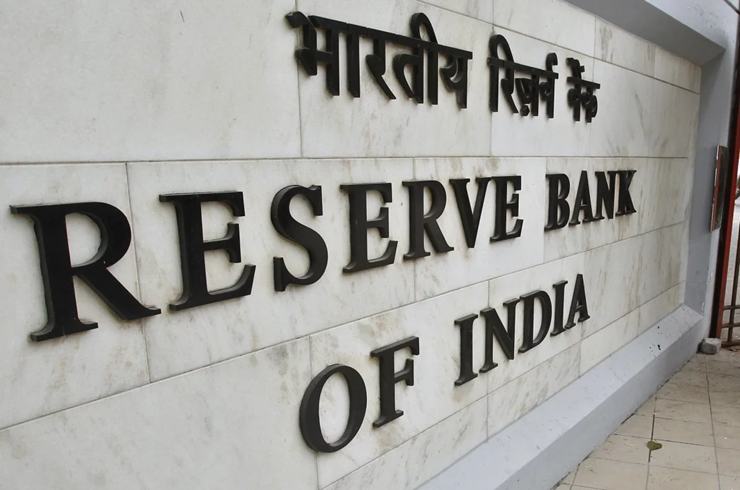
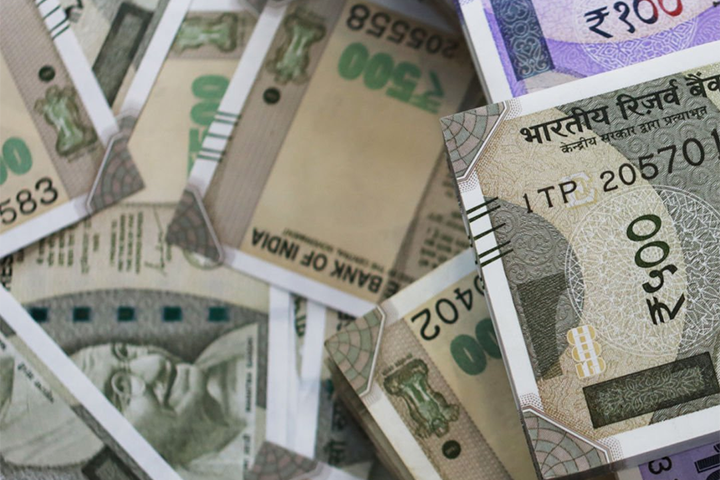
Foreign currency maintained by a country's central bank is known as its Forex reserves. Image Source: IANS
The increase in gold reserves reflects both higher international gold prices and the RBI’s continued strategy of diversifying its reserve assets amid persistent global financial and geopolitical uncertainties.
India’s foreign exchange (forex) reserves increased by USD 963 million to reach USD 672.58 billion during the week ending June 19, 2026, according to the latest data released by the Reserve Bank of India (RBI). The overall rise in reserves was primarily driven by a sharp increase in the value of the country’s gold holdings, which climbed by USD 4.1 billion to USD 107.93 billion. The increase in gold reserves reflects both higher international gold prices and the RBI’s continued strategy of diversifying its reserve assets amid persistent global financial and geopolitical uncertainties.
However, the growth in overall reserves came despite a decline in foreign currency assets (FCAs), the largest component of India's forex reserves. FCAs fell by USD 3.07 billion to USD 541.21 billion during the reporting week. In addition, Special Drawing Rights (SDRs) declined by USD 52 million to USD 18.64 billion, while India's reserve position with the International Monetary Fund (IMF) decreased by USD 22 million to USD 4.79 billion. The RBI noted that foreign currency assets, expressed in US dollar terms, are influenced not only by capital flows but also by fluctuations in the value of major reserve currencies such as the euro, pound sterling, and Japanese yen against the US dollar.

Source: Reserve Bank of India
Despite the weekly increase, India's foreign exchange reserves remain USD 25.3 billion lower than their level a year ago, reflecting sustained pressure on the RBI's reserve stockpile due to interventions aimed at stabilising the rupee amid heightened global market volatility. It is important to note that foreign currency assets do not include SDR holdings, investments in bonds issued by IIFC (UK), funds extended under the SAARC and Asian Clearing Union (ACU) currency swap arrangements, or the RBI's contribution towards the Nexus Global Payments initiative.
Looking ahead, the RBI's recent policy measures to attract overseas capital are expected to provide significant support to India's external position. According to a report by Motilal Oswal Financial Services Ltd. (MOFSL), the central bank's initiatives could bring an additional USD 40-50 billion in foreign currency inflows during FY2026-27. These measures include temporary relaxations for Foreign Currency Non-Resident [FCNR(B)] deposits and External Commercial Borrowings (ECBs), enabling banks to raise funds from overseas markets at significantly lower costs.
The report estimates that banks could reduce their borrowing costs by nearly 200-250 basis points through ECBs under the RBI's concessional swap facility. Lower funding costs are expected to improve banks' funding efficiency, strengthen liquidity in the domestic banking system, and support higher credit growth. An increase in foreign currency inflows would also help rebuild India's foreign exchange reserves, enhance investor confidence, and provide greater stability to the rupee against external shocks, particularly at a time when global financial conditions remain uncertain.
Foreign currency maintained by a country's central bank is known as its Forex reserves. It offers protection from unforeseen external shocks. Typically, reserve currencies like the dollar are used to maintain it. The fundamental goal of holding foreign exchange reserves is to preserve confidence in the monetary and exchange rate management policies as well as to preserve currency liquidity to absorb external shocks. Also, having sufficient reserves helps reassure investors in times of extreme uncertainty, such as wars or unrest, portrays a positive image, and reassures trading countries.