Thursday, 17 Sep, 2026

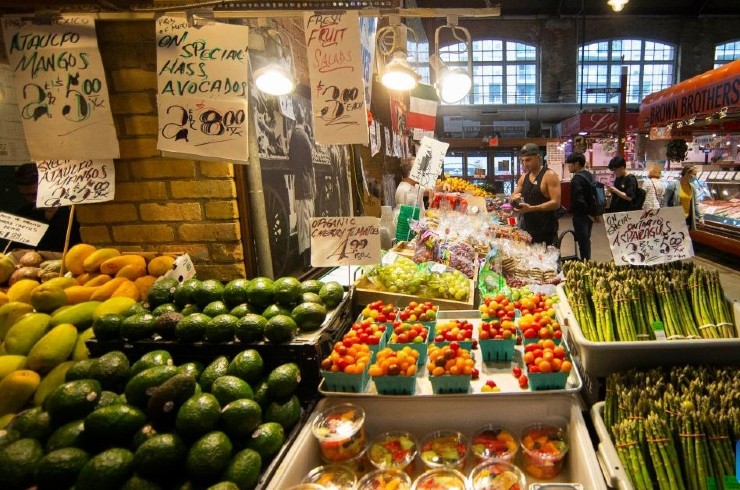
A significant contributor to the rise in inflation was the increase in food prices. Consumer Food Price Index (CFPI) inflation rose to 4.8 percent in May from 4.2 percent in April. Image Source: IANS
The latest data indicate that inflationary pressures are broadening across the economy. Both headline inflation and core inflation registered increases during the month.
India’s retail inflation, measured through the Consumer Price Index (CPI), accelerated to 3.9 percent in May 2026, up from 3.5 percent in April, according to data released by the Ministry of Statistics and Programme Implementation (MoSPI) on June 12. This marks the fastest pace of retail price growth since January 2025, when inflation stood at 4.06 percent, making the latest reading the highest in nearly sixteen months.
The increase comes after a prolonged period of moderation in inflationary pressures. Headline inflation had steadily eased from levels exceeding 6 percent in October 2024 and had nearly stabilized by October 2025. However, from November 2025 onwards, inflation began to trend upward again, partly due to a favourable base effect. Despite the recent rise, the May inflation print remains marginally below the Reserve Bank of India’s medium-term target of 4 percent.
The latest data indicate that inflationary pressures are broadening across the economy. Both headline inflation and core inflation registered increases during the month. Core inflation, which excludes volatile food, fuel, and electricity prices, climbed to 3.73 percent, marking the third consecutive month of acceleration. This suggests that price pressures are no longer confined to a few sectors and are gradually spreading across a wider range of goods and services.
A significant contributor to the rise in inflation was the increase in food prices. Consumer Food Price Index (CFPI) inflation rose to 4.8 percent in May from 4.2 percent in April. Several key food items either experienced faster inflation or saw the pace of deflation slow considerably. Cereal prices rose by 0.28 percent, returning to positive territory for the first time since January 2026. Rice, in particular, contributed to this increase, with prices rising by 0.23 percent after remaining in deflation throughout much of the year.

Source: Ministry of Statistics and Programme Implementation
Among essential kitchen commodities, tomato prices recorded a sharp increase of 48.4 percent year-on-year, compared with 35.3 percent in April, reversing a four-month trend of moderating inflation. Onion prices, while still declining, witnessed a substantial slowdown in deflation, with prices falling by only 2.2 percent compared with a steep 17.7 percent decline in the previous month. Potato prices continued to remain in deflation, contracting by around 23 percent for the second consecutive month.
Economists have pointed to weather-related concerns as a potential risk factor for food inflation. According to Madan Sabnavis, Chief Economist at Bank of Baroda, the delayed onset of the southwest monsoon has prompted farmers to postpone sowing activities until adequate rainfall arrives. Any prolonged delay could affect agricultural output and exert additional pressure on food prices in the coming months.
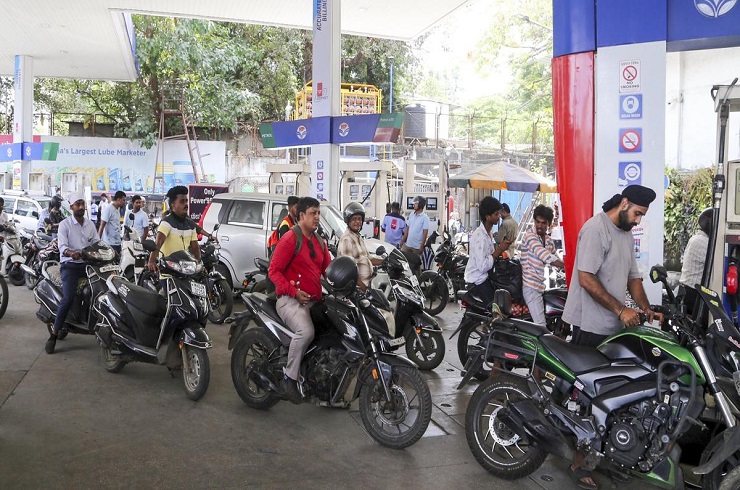
Inflation in the housing, water, electricity, gas, and other fuels category, which accounts for approximately 17.6 percent of the CPI basket—also edged higher to 1.73 percent in May from 1.71 percent in April. Although inflation in liquefied petroleum gas (LPG) and related fuel categories continued to moderate for the third consecutive month, falling to 2.02 percent from over 5 percent in March, transportation fuels witnessed a notable increase. Petrol and diesel inflation accelerated sharply to 6 percent in May, compared with 2.8 percent in April and just 0.5 percent in March, reflecting the pass-through of higher global energy prices to domestic consumers.
The impact of rising fuel costs was also evident in transportation inflation. After remaining flat or slightly negative for much of the year, transport costs increased by 1.75 percent in May. Analysts attribute this rise largely to higher logistics and freight expenses resulting from disruptions caused by the ongoing conflict in West Asia, which has contributed to elevated crude oil prices and increased uncertainty in global energy markets.
The May inflation reading was broadly in line with market expectations. However, economists caution that inflationary pressures could intensify further in June as the full impact of rising energy costs and supply chain disruptions feeds through into consumer prices. Several forecasts now suggest that headline CPI inflation could rise to the 5–5.5 percent range over the coming months.
In addition to geopolitical uncertainties in West Asia, analysts are closely monitoring weather developments. Concerns over a weaker-than-normal monsoon linked to El Niño conditions could adversely affect agricultural production and food supply, potentially exacerbating inflationary pressures. If inflation remains elevated and persistently above the RBI’s comfort zone, market participants expect the central bank to consider monetary tightening measures, including potential policy rate hikes during its October or December 2026 monetary policy reviews.
The CPI is heavily weighted by the RBI while formulating its bi-monthly monetary policy. The repo rate was last increased on February 08, 2023 by the Monetary Policy Committee (MPC) by 25 basis points (bps), bringing it to 6.50 percent. The MPC had increased the benchmark interest rate by 250 basis points in the fiscal year 2022-23 in an effort to control the raging inflation. The RBI increases the repo rate as a measure of tight monetary policy to counter inflation. Repo rate is the interest rate at which the central bank of a country lends money to commercial banks. In the event of inflation, central banks increase repo rate as this restricts the commercial banks to borrow from the central bank. This ultimately reduces the money supply in the economy and thus helps in reducing inflation.
The Reserve Bank of India (RBI) decided to keep the benchmark repo rate unchanged at 5.25 percent, marking the second consecutive monetary policy review in the current financial year where interest rates have been left untouched. Announcing the outcome of the second bi-monthly Monetary Policy Committee (MPC) meeting, RBI Governor Sanjay Malhotra stated that the six-member committee unanimously voted to maintain the existing policy rate while retaining a neutral policy stance, indicating a balanced approach amid evolving domestic and global economic conditions.
The RBI lowered its GDP growth forecast for the current financial year to 6.6 percent from the earlier estimate of 6.9 percent, citing uncertainties in the global economic environment, geopolitical developments, and potential headwinds to domestic demand. At the same time, the central bank raised its inflation outlook, increasing the Consumer Price Index (CPI) inflation projection to 5.1 percent from the earlier estimate of 4.6 percent. The upward revision reflects concerns over food prices, energy costs, and broader inflationary pressures that could persist in the coming months.