Sunday, 20 Sep, 2026

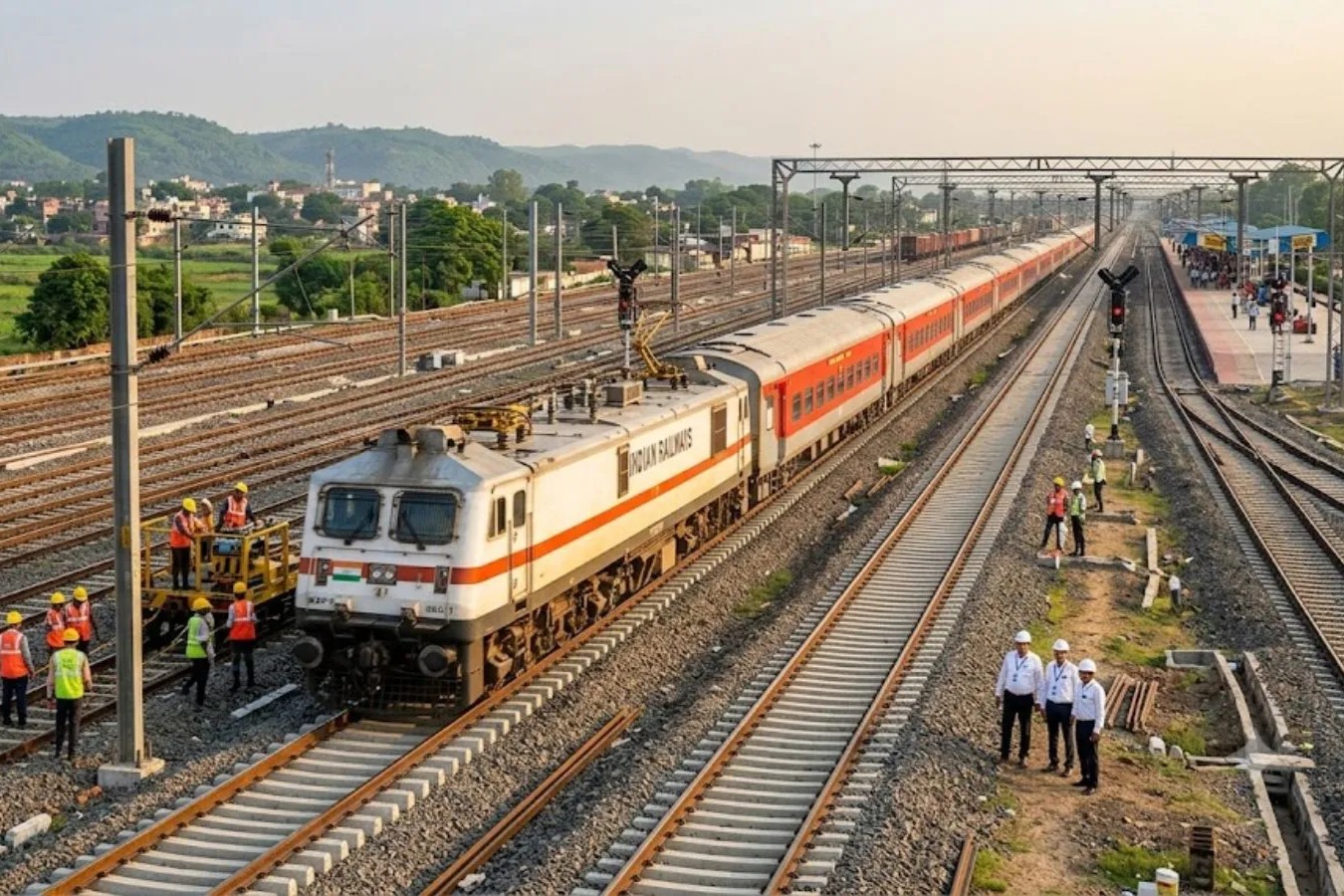
Source of the image: Indian Express
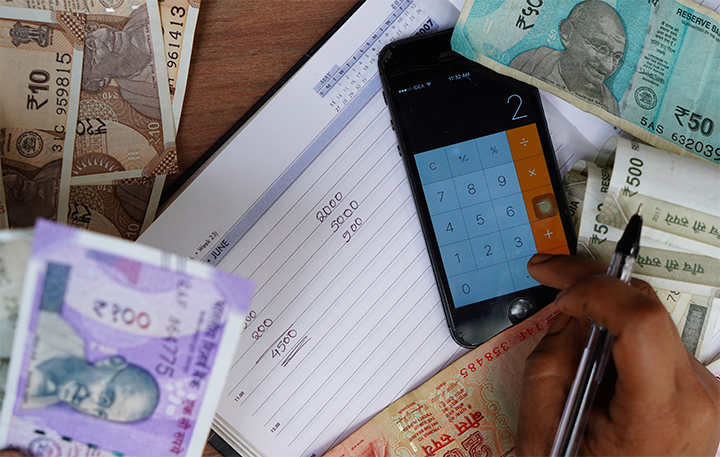
Theft of railway linen has cost Indian Railways more than ₹104 crore over the past four years, according to RTI data. Between January 2022 and May 2026, over 1.27 crore bedsheets, blankets, towels, pillows and pillow covers were reported missing across the country.
Every year, millions of passengers travel in the air-conditioned coaches of Indian Railways, each one handed a neatly packed bedroll- two sheets, a pillow with its cover, a blanket, and a face towel. Most passengers don't think twice about what happens to that bedroll once they get off the train. But data shows that a fair number of them are taking it home with them. Over the last four years, more than 1.27 crore pieces of railway linen have gone missing, adding up to a loss of over Rs 104 crore.
These numbers come from a Right to Information application and cover the period between January 2022, when bedroll services fully resumed after being suspended during the pandemic, and May 2026. Fifty-four railway divisions across sixteen of the network's eighteen zones responded to the query, and the picture that emerges is one of theft that's fairly routine but also concentrated in specific places. Taken together, the figures suggest that roughly one in every thousand AC passengers walks away with at least one linen item. That sounds small, but multiply it across the scale of Indian Railways' AC passenger traffic, and it turns into a loss worth over a hundred crore rupees.
Not all linen is equally tempting. Face towels, easy to slip into a bag and small enough to go unnoticed, top the list with 46.54 lakh reported missing over four years. Bedsheets follow at 41.13 lakh, then pillow covers at 23.59 lakh and blankets at 12.95 lakh. Pillows, bulkier and harder to smuggle out unnoticed, saw the fewest disappearances at 2.76 lakh.
The theft is also heavily concentrated geographically. Bikaner division alone accounted for 25.76 lakh missing items, nearly three times as many as Ranchi, the second-highest division at 9.31 lakh. Delhi (8.21 lakh), Mumbai (8.17 lakh), Jodhpur (8.09 lakh), and Ahmedabad (6.94 lakh) followed close behind. Together, just ten railway divisions across seven zones, Bikaner, Jodhpur, Jaipur, Ranchi, Delhi, Mumbai, Ahmedabad, Sonpur, Danapur, and Bilaspur, account for 67 per cent of all reported theft nationwide.
Interestingly, some divisions have shown that the trend can be reversed. Delhi cut its linen theft by 79 per cent, from 3.27 lakh items down to 68,013 items, while Ahmedabad brought losses down by 83 per cent and Samastipur by 86 per cent. Two southern divisions, Tiruchirappalli and Palakkad, reported no theft at all. These outliers suggest that better local enforcement, tighter inventory checks, and more attentive staff can make a measurable dent in the problem.
Why does this happen at all, given how often passengers complain about the very quality of the linen they are handed? Railway officials and contractors attribute the theft to a mix of habit, misunderstanding and opportunism. Some passengers treat the institutional-grade sheets and towels as souvenirs, while others mistakenly believe the cost of the linen is included in the ticket fare. Officials also acknowledge that some passengers knowingly take the items because they are durable enough for everyday household use.
The financial burden of this theft ultimately falls on the contractors and, in turn, the coach attendants. Contracts require the private agencies that distribute linen inside coaches to account for every item issued, and any shortfall is recovered from their bills. In practice, these losses are often passed on to coach attendants responsible for collecting linen before trains are turned around for their next journey. One contractor said the losses had become severe enough to force them to walk away from their Railways contract altogether.
Taking railway property, linen included, falls under the Railway Property (Unlawful Possession) Act, 1966, and the Railway Protection Force treats it as a non-bailable offence. Railway Minister Ashwini Vaishnaw sought an action plan from officials after responding to the investigation during a press conference on the Railways' “52 reforms in 52 weeks” initiative. Several measures have since been put in place across divisions. The Bikaner division has started using the Coach Mitra mobile application to digitally track the issue and return of bedrolls. Railways is also considering assigning unique QR codes to individual linen items so they can be scanned and tracked from the laundry to the coach and back.
Several divisions have also started installing CCTV cameras inside coaches. The Ambala division is deploying surveillance cameras and storing linen in designated secure spaces. Jodhpur has tightened its accounting procedures, verifying linen counts before trains depart and after they arrive, along with regular counselling sessions for attendants. The Salem division has increased supervision during loading and unloading, stepped up inspections at stations and depots, and proposed disciplinary action where responsibility for losses can be established. The Ranchi division is printing reminders directly on linen packets, asking passengers to return bedrolls at least 30 minutes before the journey ends. The Railway Protection Force has intensified surprise inspections and night patrols and has been directed to conduct lawful searches of luggage where linen has not been returned.
Whether these measures actually bring the numbers down will only be clear from RTI data in the years ahead. What's already clear, though, is that something often treated as trivial, a missing towel here, a bedsheet there, adds up to a real financial loss when spread across a network the size of Indian Railways. The real challenge is ensuring accountability at the passenger level, rather than leaving contractors and coach attendants to absorb the cost of a problem they have limited control over.