Friday, 23 Oct, 2026

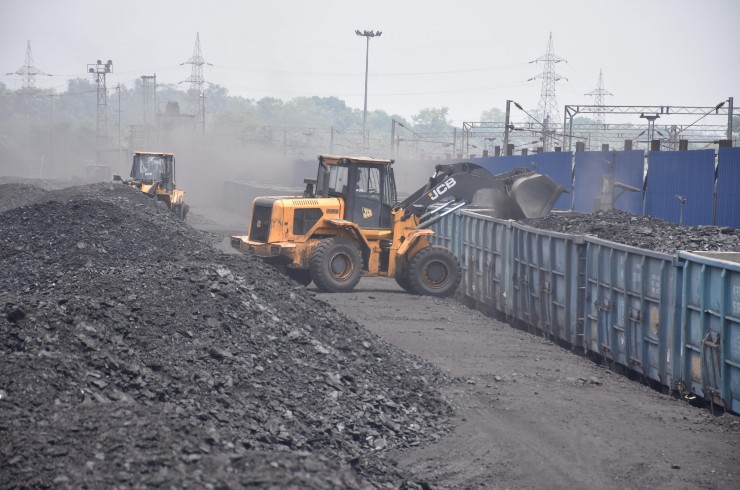
Overall, the latest PAIMANA Performance Dashboard update presents a broad picture of infrastructure expansion across multiple sectors that underpin India’s economic growth and connectivity. Image Source: IANS
Launched on April 16, 2026, the dashboard aims to strengthen infrastructure monitoring, facilitate evidence-based policymaking and improve the assessment of infrastructure development across the country.
The Ministry of Statistics and Programme Implementation (MoSPI) has released the quarterly update of the PAIMANA (Project Assessment, Infrastructure Monitoring & Analytics for Nation-building) Performance Dashboard, providing an overview of the progress and performance of India’s key infrastructure sectors through a set of standardised indicators.
Launched on April 16, 2026, the dashboard aims to strengthen infrastructure monitoring, facilitate evidence-based policymaking and improve the assessment of infrastructure development across the country. It offers a unified digital interface featuring interactive visualisations and time-series analysis, enabling policymakers, researchers and other stakeholders to track sector-wise performance, identify emerging trends and assess progress over time. The latest update highlights developments across various sectors reflecting the continued expansion of India’s physical and digital infrastructure.

The civil aviation sector continued to record growth in air freight activity, with the volume of cargo handled increasing by 12.0 percent year-on-year during April–August of FY 2026–27 to reach 18.6 lakh tonnes. The expansion points to sustained demand for air cargo services and the growing role of aviation in supporting trade, logistics and the movement of goods. The sector also maintained a positive trajectory in international tourism, with foreign tourist arrivals reaching 30.49 lakh up to August in FY 2026–27, representing a 2 percent increase compared with the corresponding period of the previous financial year. The rise in tourist arrivals underscores the importance of air connectivity in facilitating international travel, supporting tourism-related economic activity and strengthening India’s position as a global travel destination. Together, these developments highlight the sector’s contribution to both passenger mobility and the movement of goods, while reinforcing its broader role in connecting India with international markets.

Telecommunications remained another key driver of infrastructure expansion, with continued investment in optical fibre networks and broadband connectivity extending the reach of digital services. The cumulative length of optical fibre cable (OFC) laid across the country reached 7,52,113 kilometres by August 2026, following the addition of 29,256 kilometres during April–August of FY 2026–27. The expansion of fibre infrastructure is crucial for improving network capacity, supporting high-speed data transmission and strengthening the digital backbone required for increasingly data-intensive services. This progress was accompanied by sustained growth in broadband subscriptions during FY 2025–26, with wired broadband subscribers increasing by 12.4 percent year-on-year and wireless broadband subscribers registering growth of 12.9 percent. The expansion reflects the continued adoption of digital services across households, businesses and institutions, alongside growing demand for reliable internet connectivity. Rural digital infrastructure also witnessed further progress, with the number of Gram Panchayats connected rising to 2,23,814 by August 2026. A total of 5,352 Gram Panchayats were added during April–August of FY 2026–27, extending the reach of digital connectivity in rural areas. These developments collectively demonstrate the continuing expansion of India’s telecommunications infrastructure and its importance in improving access to information, digital public services and economic opportunities.

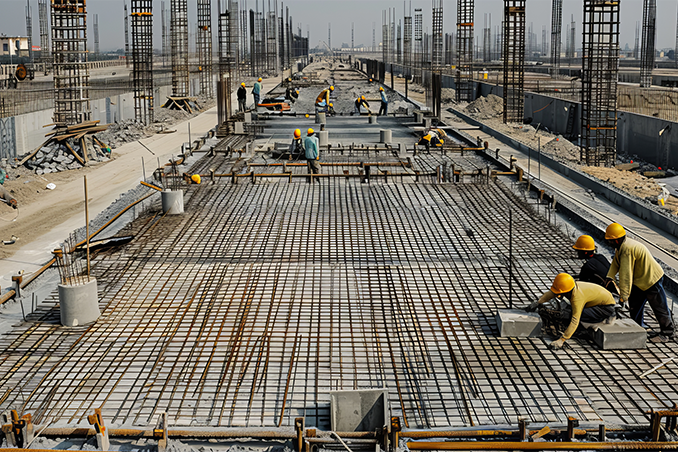
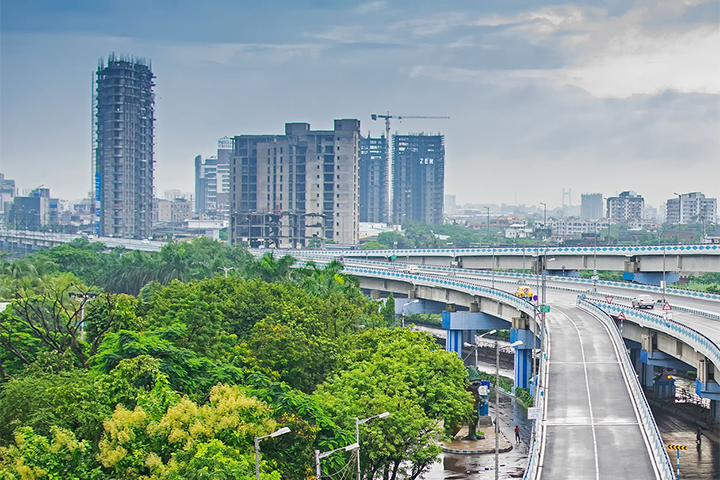
The road transport and highways sector recorded a substantial increase in project awards, indicating a stronger pipeline of infrastructure development. A total of 2,236.3 kilometres of National Highway projects were awarded during April–September of FY 2026–27, registering a year-on-year increase of 62.9 percent. The sharp rise in project awards is significant for the future development of the national highway network, as it creates opportunities to improve regional connectivity, reduce transportation bottlenecks and facilitate the more efficient movement of passengers and freight. Alongside physical infrastructure development, the sector continued to make progress in the digitalisation of toll collection. Electronic toll collection (ETC) transactions increased to 225.2 crore during the same period, marking a year-on-year growth of 24.1 percent. The value of electronic toll collections reached ₹36,994.5 crore, registering an increase of 11.7 percent compared with the corresponding period of the previous year. The growth in transaction volumes reflects the wider adoption of digital tolling systems and their increasing integration into highway operations. By reducing dependence on manual cash transactions and facilitating smoother passage through toll plazas, electronic toll collection can contribute to improved traffic movement and greater operational efficiency across the road network.
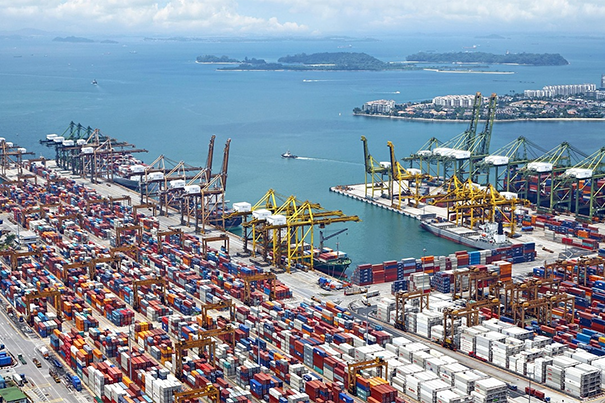
The ports, shipping and waterways sector also recorded growth in cargo movement, highlighting the continued utilisation of maritime infrastructure to support domestic and international trade. Cargo handled at major ports increased by 7.2 percent year-on-year to reach 390.4 million tonnes during April–August of FY 2026–27. Non-major ports recorded a more moderate increase of 1.8 percent, handling 313.4 million tonnes during the same period. The rise in cargo volumes across both categories indicates sustained activity in India’s maritime logistics network, which remains essential for the movement of bulk commodities, energy resources, industrial inputs and other traded goods. At major ports, petroleum and crude products continued to constitute the largest commodity category, accounting for approximately 29.2 percent of total cargo handled. Cargo movement in this category increased by 3.1 percent year-on-year, reflecting its continued significance within the overall port cargo mix. The expansion in major-port cargo traffic, together with the increase recorded by non-major ports, underscores the importance of maritime infrastructure in facilitating trade, supporting industrial activity and strengthening the efficiency of supply chains.
Indian Railways continued to expand its operational capacity, with the number of coaches increasing by 4.5 percent and the locomotive fleet growing by 6.4 percent during FY 2024–25. The increase in these assets reflects efforts to strengthen the railway system’s capacity to support passenger and freight movement. Coaches are essential to accommodating passenger demand and improving service availability, while locomotives provide the traction capacity required to operate trains across the network. The expansion of both categories is therefore relevant to the broader objective of enhancing railway operations and meeting the transportation requirements of a growing economy. As one of India’s principal modes of mass transportation, the railway network plays a critical role in connecting population centres, industrial hubs and commercial markets, while supporting the movement of goods over long distances.
The power sector recorded a significant expansion in installed electricity generation capacity, with total installed capacity reaching 5,32,739.7 megawatts (MW) in FY 2025–26, representing a year-on-year increase of 12.1 percent. The expansion reflects the continued development of India’s electricity infrastructure to meet rising demand from households, industries, commercial establishments and other economic activities. Renewable energy sources (RES) emerged as a particularly important contributor to this growth, with installed renewable capacity increasing by 29.5 percent to reach 2,23,273 MW. Renewable energy therefore expanded considerably faster than the overall installed capacity base and accounted for approximately 42 percent of the country’s total installed power capacity. This growing contribution highlights the increasing significance of renewable sources in India’s evolving energy landscape and the diversification of its electricity generation capacity. The expansion of renewable capacity also signals the continued development of a more varied energy mix, although ensuring reliable electricity supply will depend on complementary investments in transmission networks, energy storage and other supporting infrastructure.
Overall, the latest PAIMANA Performance Dashboard update presents a broad picture of infrastructure expansion across multiple sectors that underpin India’s economic growth and connectivity. Rising air cargo volumes and foreign tourist arrivals point to continued activity in aviation, while the expansion of optical fibre networks and broadband subscriptions reflects the deepening of the country’s digital infrastructure. The increase in National Highway project awards and electronic tolling activity highlights progress in road connectivity and transport digitalisation, while higher cargo volumes at major and non-major ports underline the importance of maritime infrastructure in facilitating trade. Indian Railways’ expanding fleet and the growth in installed power capacity, particularly renewable energy, further demonstrate the continuing development of the country’s transportation and energy systems. By bringing these indicators together through a common digital platform, the PAIMANA dashboard provides stakeholders with a consolidated view of infrastructure performance, supporting more informed assessments of progress, emerging requirements and areas that may need further attention.