Monday, 19 Oct, 2026

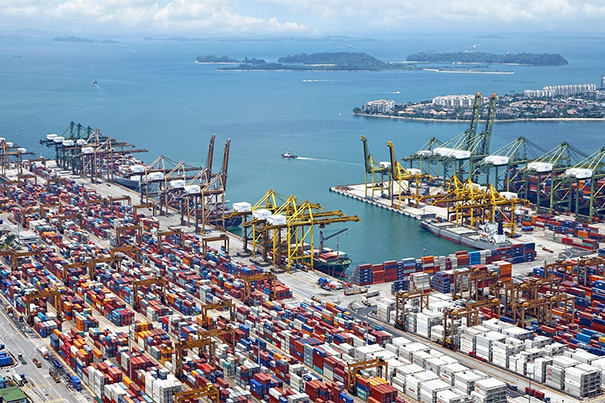
Photo courtesy: Pixabay
Robust tax receipts and a services surplus strengthen India’s external and fiscal position. The next challenge is to expand manufacturing, create jobs, boost exports and raise household incomes while reducing dependence on imports
India’s economic resilience is increasingly evident in its ability to sell more goods abroad and raise revenue at home. September’s trade figures and the latest direct tax collections point to an economy with competitive businesses, expanding export opportunities and a strong revenue base. Dependence on imported oil and electronic components remains a challenge, as does the slower growth in net personal income tax collections. But these are areas for further progress, not reasons to overlook the gains already made.
Merchandise exports rose 23 per cent year on year to $44.40 billion in September 2026, their highest level in four months. Imports increased 8 per cent to $74.61 billion, the slowest pace of growth in six months. The trade deficit narrowed to $30.21 billion from around $33 billion a year earlier, although it widened from $26.86 billion in August.

The breadth of export growth is particularly encouraging. Engineering goods exports rose 21 per cent year on year to $12.17 billion. Electronic goods shipments climbed to $5.31 billion from $3.11 billion a year earlier, petroleum product exports increased 32 per cent to $6.22 billion, and organic and inorganic chemical exports rose a little over 24 per cent to $2.94 billion.
Merchandise exports reached $259.89 billion during April-September, up nearly 19 per cent year on year. Agrawal expects them to approach $500 billion by the end of the current financial year. The first-half performance provides a strong foundation, although sustaining the pace will require continued investment, reliable infrastructure and competitive production.
The United States remained India’s largest export market in September, with shipments jumping nearly 48 per cent to $8.03 billion. The strength of this relationship underlines the value of established commercial ties.
Building on domestic capacity
India’s export expansion is accompanied by substantial imports of goods needed to sustain growth. Crude oil imports rose nearly 31 per cent year on year to $18.34 billion in September, while electronic goods imports jumped almost 52 per cent to $14.86 billion. China remained India’s largest import source, with shipments rising nearly 32 per cent to $14.86 billion. Indian exports to China increased a little over 24 per cent to $1.81 billion. Imports from Russia climbed nearly 26 per cent to $5.86 billion, potentially reflecting crude oil shipments.

Gold imports nearly halved year on year to $1.8 billion following the increase in customs duty in May, Agrawal said. Fertiliser imports fell 22 per cent to $1.84 billion, providing some relief to the import bill.
Services remain another source of strength. September services exports were estimated at $36.35 billion, nearly flat year on year, while imports rose 9 per cent to $19.44 billion, leaving a surplus of $16.91 billion. The Reserve Bank of India is expected to release final figures later this month.
Tax receipts reinforce confidence
The domestic revenue figures provide further evidence of economic strength. Net central direct tax collections rose 13.21 per cent year on year to Rs 13.38 lakh crore as of October 14, according to provisional income-tax department data. Gross collections increased 14.89 per cent to Rs 16.03 lakh crore, while refunds rose 24.22 per cent to Rs 2.65 lakh crore from Rs 2.13 lakh crore a year earlier.
Corporate taxes led the increase. Gross collections rose 17 per cent to Rs 7.53 lakh crore, while net collections increased 20.6 per cent to Rs 5.99 lakh crore after refunds. Strong corporate receipts support public finances and help fund infrastructure and services.

Personal income tax collections grew more slowly. Gross non-corporate receipts, which mainly comprise personal income tax, rose 11.5 per cent to Rs 8.03 lakh crore, but net collections increased only 5.8 per cent to Rs 6.92 lakh crore. Refunds in this category jumped 67.2 per cent to Rs 1.11 lakh crore from Rs 66,550 crore a year earlier.
Non-corporate taxpayers accounted for about 50.1 per cent of gross direct tax collections, marginally more than the 47 per cent share contributed by corporate taxes. Securities Transaction Tax (STT) and other taxes made up the balance. STT collections rose 51.6 per cent to Rs 46,840 crore from Rs 30,902 crore, the fastest growth among major direct tax components.
Taken together, the figures show an economy with substantial strengths and room to advance further. Exporters are reaching more customers, corporate tax receipts are robust and services continue to generate a sizeable surplus. The priority now is to deepen domestic manufacturing, diversify export markets and ensure that growth supports household incomes. India has grounds for confidence; converting that strength into greater self-reliance, competitiveness and broadly shared prosperity is the next task.