Sunday, 20 Sep, 2026

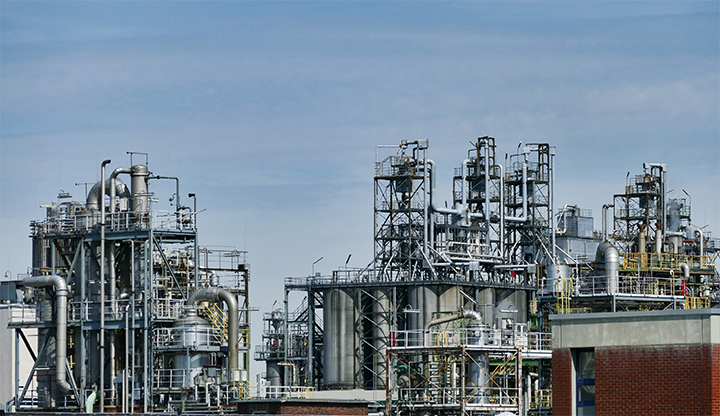
Photo courtesy: Pixabay
The Indian crude basket rose to $106.23 a barrel in May from $64.04 a year earlier. The higher import bill reflects cost, not consumption. Unlike most imports, oil purchases cannot be deferred
India has lived with high oil prices before. The difference this time is that the country is importing almost the same amount of crude oil but paying dramatically more for it. Official data shows the crude oil import bill jumped 81.5% year-on-year to $18.7 billion in May. Yet the volume of crude imported barely changed. India bought 21.6 million tonnes of crude oil in May, only marginally higher than 21.3 million tonnes a year earlier, when the import bill was just $10 billion.
The explanation is simple: prices.
The Indian basket of crude averaged $106.23 a barrel in May, compared with $64.04 a year earlier. India is paying much more for every barrel it imports, not consuming substantially more oil. That distinction matters because oil is unlike most other imports. India can postpone buying machinery or consumer goods if prices rise. It cannot do the same with energy. Oil keeps transport moving, factories running and households supplied with fuel. Demand falls only marginally even when prices surge.
Crude oil already accounts for around 20% of India’s merchandise imports, making it the country's single largest import item. When oil becomes expensive, the effects spread far beyond the petroleum sector.
The latest spike has been driven by the crisis in West Asia. Supply disruptions caused by the blockage of shipping through the Strait of Hormuz have pushed up global energy prices by constraining supplies from the region.

New Delhi has had little choice but to continue buying at elevated prices to ensure adequate domestic supplies. The country’s dependence on imported energy explains why. India imports about 90% of its crude oil requirements, 50% of its liquefied natural gas (LNG) demand and 60% of its liquefied petroleum gas (LPG) needs. Few large economies rely so heavily on imported energy.
The impact is already visible beyond crude imports.
The net oil and gas bill—which includes imports of crude oil, LNG and LPG after adjusting for earnings from petroleum exports—rose 75% from a year earlier to $17.5 billion in May.
The government has responded by trying to keep more fuel at home. Since the beginning of the West Asia crisis, it has imposed special excise duties on exports of petrol, diesel and aviation turbine fuel to discourage overseas sales and prioritise domestic supply.
In its latest fortnightly revision on June 16, the government fixed the special additional excise duty at Rs 14 per litre on diesel exports, Rs 12.5 per litre on aviation turbine fuel exports and Rs 1.5 per litre on petrol exports.
The policy appears to be working. India's petroleum product exports fell 33.9% year-on-year to 3.7 million tonnes in May, largely because shipments of petrol, diesel and naphtha declined.
Keeping more fuel within the country may improve energy security during a supply crisis. But it comes at a cost. Lower exports reduce foreign exchange earnings from India’s large refining sector, partly offsetting the benefits of refining imported crude.
The numbers for the first two months of the financial year underline how quickly the burden is growing. Between April and May FY27, India's crude oil import bill climbed 69.85% to $35.5 billion, while the net oil and gas bill rose 51.1% to $32.2
A larger import bill widens the trade deficit and increases demand for dollars, putting pressure on the rupee. Costlier fuel also feeds into transport costs, manufacturing and food prices, complicating the Reserve Bank of India’s task of keeping inflation under control.
The pressure on government finances is equally significant. If global oil prices remain elevated, New Delhi may eventually have to choose between allowing higher retail fuel prices or absorbing part of the increase through lower taxes or larger subsidies.
Neither option is attractive.
For now, India has managed to secure adequate supplies despite disruptions in one of the world’s most important energy corridors. That has prevented shortages, but it has not insulated the economy from higher costs.
The larger lesson is that India’s biggest economic vulnerability has changed little over the decades. The country has diversified its sources of crude, expanded refining capacity and become a major exporter of petroleum products. Yet it still imports the overwhelming majority of the energy it consumes.
As long as that dependence remains, every geopolitical shock in West Asia will continue to arrive not only as a foreign policy challenge but also as an economic one.