Thursday, 17 Sep, 2026


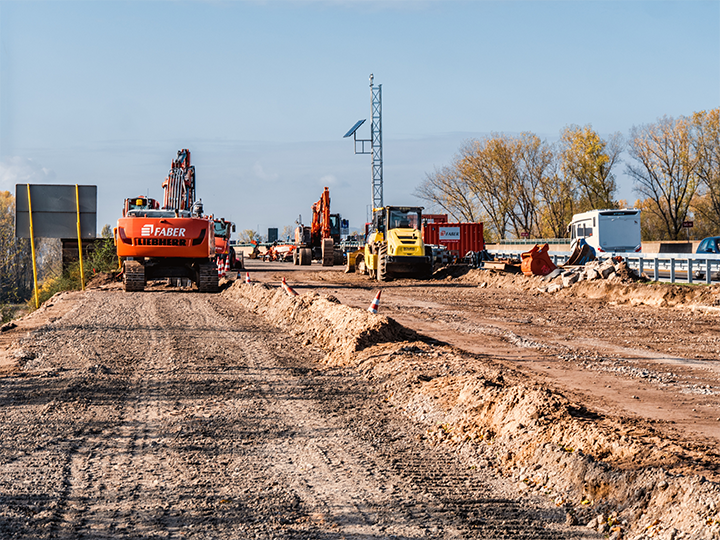
The March data paints a picture of an economy navigating mixed currents. Image Source: PixaBay
For the full financial year from April 2025 to March 2026, the cumulative growth of the core industries stood at a modest 2.6 percent on a provisional basis, slightly dampened compared to expectations.
India’s core infrastructure sectors showed signs of strain at the close of the financial year, with the combined Index of Eight Core Industries (ICI) slipping by 0.4 percent in March 2026 compared to the same month a year earlier. The dip reflects uneven performance across key sectors, with declines in fertilizers, crude oil, coal, and electricity outweighing gains in others.
The ICI, which tracks the output of coal, crude oil, natural gas, refinery products, fertilizers, steel, cement, and electricity, is a crucial barometer of industrial health. Together, these sectors account for over 40 percent of the weight in the Index of Industrial Production (IIP), making their performance a strong indicator of broader economic momentum. While February 2026 had offered some optimism with a revised growth rate of 2.8 percent, the March contraction underscores lingering challenges in the industrial landscape.
For the full financial year from April 2025 to March 2026, the cumulative growth of the core industries stood at a modest 2.6 percent on a provisional basis, slightly dampened compared to expectations. The mixed trend highlights structural issues in some sectors alongside resilience in others.
Coal production, which carries a weight of over 10 percent in the index, fell by 4 percent year-on-year in March, contributing to a marginal annual decline of 0.5 percent. Crude oil output also remained under pressure, shrinking by 5.7 percent during the month and registering a sharper cumulative contraction of 2.8 percent over the year.
Natural gas provided a rare bright spot in March, recording a 6.4 percent increase compared to the previous year. However, this uptick was not enough to offset its overall annual decline of 2.8 percent. Similarly, petroleum refinery products saw only a marginal rise of 0.1 percent in March, while their cumulative output for the year edged down by 0.1 percent.
The most significant drag came from the fertilizers sector, which experienced a steep contraction of 24.6 percent in March. Despite this sharp monthly fall, its annual performance remained relatively stable, with a slight decline of 0.1 percent.
On the positive side, steel and cement continued to demonstrate steady growth, signaling ongoing demand in construction and infrastructure. Steel production rose by 2.2 percent in March and posted a robust annual growth of 9.1 percent. Cement output grew by 4 percent during the month, with an impressive cumulative increase of 8.6 percent over the year.
Electricity generation, another major component of the index, dipped by 0.5 percent in March, although it still managed to record a modest annual growth of 0.9 percent.
The dip in the Index of Eight Core Industries (ICI) in March 2026 can be partly understood in the context of ongoing geopolitical tensions in West Asia, a region that plays a critical role in global energy supply. While the data itself does not explicitly attribute causes, the pattern of decline, especially in energy-linked sectors aligns with the kind of disruptions typically triggered by conflict in that region.
West Asia is central to global crude oil production and shipping routes. Any escalation in conflict tends to create uncertainty in oil supply, push up global prices, and disrupt logistics. For India, which relies heavily on crude imports, this often translates into tighter supply conditions and higher input costs. The sharp 5.7 percent fall in crude oil production in March could reflect both domestic constraints and the ripple effects of global supply instability, including delayed shipments, cost pressures, or reduced operational efficiency.
Coal and electricity, which also recorded declines, are closely tied to energy demand and supply dynamics. When global fuel markets become volatile, countries often recalibrate their energy mix, sometimes straining domestic coal systems or affecting power generation planning. Higher imported fuel costs can also discourage optimal production levels in power plants, contributing to the marginal drop in electricity generation.
The fertilizers sector, which saw a steep contraction, is particularly sensitive to West Asia tensions because it depends on natural gas as a key input. Natural gas prices often surge during geopolitical conflicts, especially when major exporting nations are involved. Even though India’s natural gas production rose in March, global price pressures could have made fertilizer production less viable or disrupted input availability, leading to the sharp decline.
Refinery output remaining nearly flat also fits this pattern. Refineries operate on imported crude, and volatility in supply or pricing can limit their throughput or margins. Even small disruptions in crude availability or shipping routes, such as those passing through strategic chokepoints can have downstream effects on refinery operations.
On the other hand, sectors like steel and cement continued to grow, suggesting that domestic demand for construction and infrastructure remained resilient despite external shocks. These sectors are less directly exposed to global geopolitical tensions and more driven by internal economic activity, which may explain their relative stability.
In essence, the West Asia conflict likely amplified stress in India’s energy ecosystem during March 2026. By influencing global oil and gas markets, increasing input costs, and complicating supply chains, it contributed to weaker performance in several core industries, ultimately pulling the overall ICI into negative territory for the month.
Overall, the March data paints a picture of an economy navigating mixed currents. While sectors like steel and cement indicate sustained infrastructure activity, declines in energy-related industries such as coal and crude oil highlight ongoing supply and demand challenges. The coming months will be critical in determining whether these headwinds persist or give way to a more broad-based recovery.