Thursday, 17 Sep, 2026


Photo courtesy: Pixabay
The IMF’s modest upgrade reflects a balance of headwinds—geopolitics, weak trade, volatile commodities and uncertain external flows—and modest tailwinds from better trade access, domestic momentum and policy stability
A 10-basis-point upgrade to India’s growth forecast may appear insignificant at first glance. The International Monetary Fund (IMF) now expects the economy to expand 6.5 per cent in FY27—hardly a dramatic shift. Yet, set against a slowing global economy and escalating war in West Asia, the revision reveals more than the headline number suggests.
Start with the global picture. The IMF has cut its 2026 world growth forecast to 3.1 per cent, down from 3.3 per cent earlier. In a $100 trillion global economy, even a marginal downgrade implies a meaningful loss of output. More importantly, the slowdown is uneven. Growth in emerging markets and developing economies is projected to ease to 3.9 per cent, from 4.4 per cent last year—dragged largely by geopolitical tensions centred around Iran and the wider West Asian region.
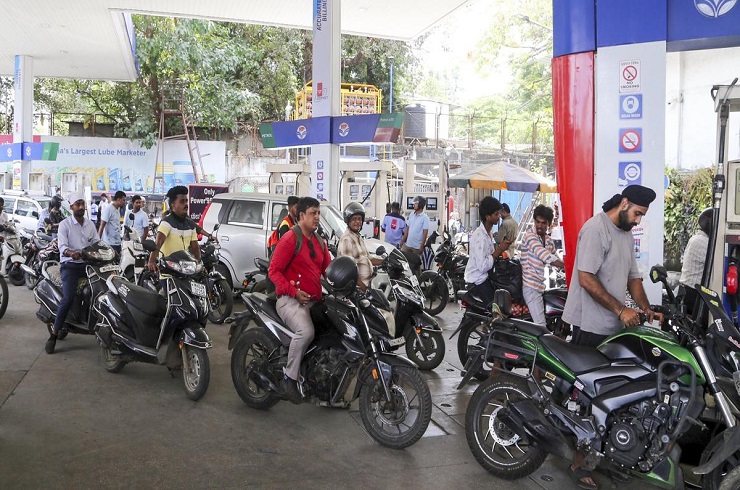
Against this backdrop, India’s marginal upgrade stands out. It does not signal insulation from global shocks—far from it. The IMF itself warns that risks are “firmly on the downside,” particularly if the conflict in West Asia intensifies. For India, the vulnerability is clear: heavy dependence on imported crude means any spike in oil prices feeds quickly into inflation, the current account deficit, and fiscal balances.

Trade-offs at play
The upgrade reflects a balancing act. The drag from geopolitical risks is expected to be partially offset by a reduction in US tariffs on Indian goods—from 50 per cent to 10 per cent. For export-oriented sectors, this improves price competitiveness at a time when global demand is weakening.
Even so, the broader trade environment remains challenging. The IMF expects global trade growth to slow sharply to 2.8 per cent in 2026, nearly halving from 5.1 per cent in 2025. For an economy seeking deeper integration into global supply chains, this is a setback. Slower trade expansion limits export opportunities and dampens corporate investment as firms delay capacity expansion amid uncertainty.
Domestic buffers hold—for now
India’s resilience, reflected in the IMF’s steady 6.5 per cent growth projection for both FY27 and FY28, rests partly on domestic momentum. A stronger-than-expected FY26 has created a “carryover” effect, giving the economy some built-in support.
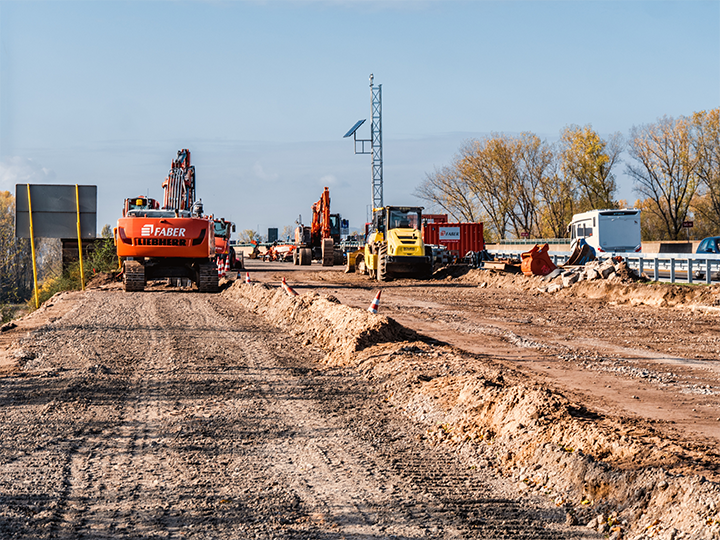
Government-led capital expenditure, a robust services sector, and relatively stable financial conditions continue to anchor growth. These internal buffers have helped India outperform many peers even as external conditions weaken.
But the cushion has limits. One underappreciated risk lies in remittance flows. Millions of Indians working in the Gulf send back income that supports household consumption. Any disruption to economic activity in that region due to conflict could weaken these inflows.
Add to that a potential dip in tourism, and the impact on domestic demand—India’s primary growth engine—becomes more pronounced.
Inflation complicates the outlook
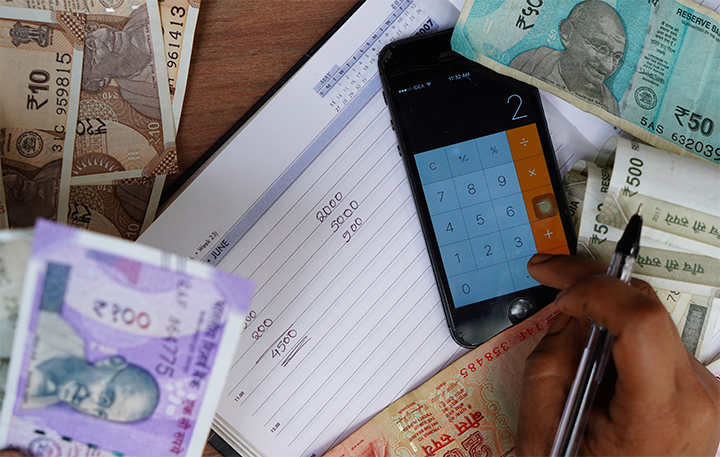
Inflation is emerging as another pressure point. After a year of relatively benign food prices, the IMF expects retail inflation to rise to 4.7 per cent in FY27. While still within the comfort band of the Reserve Bank of India, the direction matters.
If driven by higher energy costs, rising inflation could constrain the central bank’s ability to support growth through rate cuts. That limits policy flexibility just as external risks intensify.
A delicate balance
The IMF’s modest upgrade ultimately reflects a balance of forces. On one side are clear headwinds: geopolitical tensions, weaker global trade, volatile commodity prices, and uncertain income flows from abroad. On the other are limited tailwinds: improved trade access, residual domestic momentum, and policy stability.
The gap between the IMF’s 6.5 per cent forecast and the more optimistic 6.9 per cent projection by the Reserve Bank of India is telling. It reflects differing assumptions about how persistent global shocks will be. If the West Asian conflict drags on or oil prices spike sharply, downside risks could quickly dominate.
Holding ground
For policymakers, the message is clear: resilience cannot be taken for granted. Managing inflation, maintaining fiscal discipline, and sustaining capital expenditure will be critical to preserving growth momentum.
For businesses, the takeaway is similar. Trade opportunities may improve at the margin, but the external environment will remain volatile. Investment decisions will need to factor in uncertainty—not just in markets, but in geopolitics.
In that context, the upgrade itself is almost incidental. In a slowing and uncertain global economy, simply holding growth steady is becoming an achievement in its own right. India, for now, appears positioned to do just that.