Friday, 16 Oct, 2026

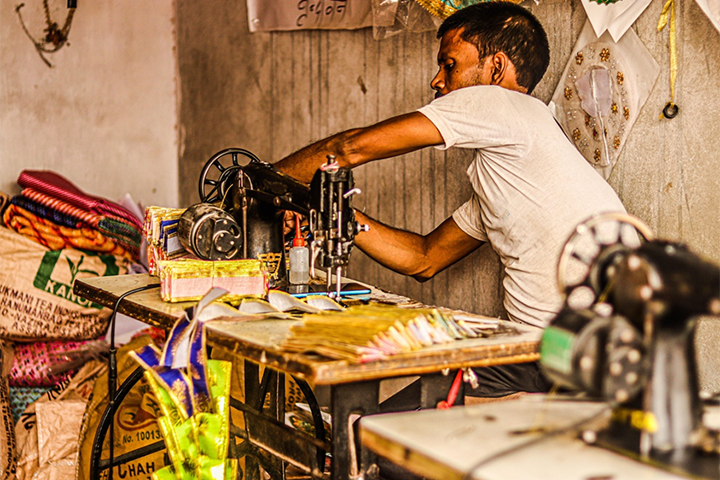
Photo courtesy: Pixabay
Service establishments rose 24.8% year-on-year, while employment in the sector jumped 31.1%. Manufacturing employment grew 10%, while trade-related jobs rose just 2.2%
Employment in the country’s unincorporated non-agricultural sector crossed the 15-crore mark for the first time in the January-March quarter of 2026, according to data released by the National Statistics Office (NSO) on Thursday. Employment rose 15.5 per cent year-on-year to 15.17 crore, while the number of establishments increased 16.7 per cent to 9.16 crore.
The figures may appear to confirm a strengthening labour market. But they also reveal a more uncomfortable reality: India is still generating work largely through tiny informal businesses rather than stable formal-sector jobs.
The strongest expansion came from rural India, where employment rose 21.7 per cent compared with 10.4 per cent growth in urban areas. Rural establishments grew 20.5 per cent, far ahead of the 12.6 per cent increase in cities.

That gap says a great deal about where India’s economic momentum currently lies. Small roadside shops, repair centres, transport operators, local service providers and household enterprises are becoming the main source of livelihoods in many parts of the country. As consumption slowly improves outside major cities, these businesses are absorbing workers who often move in and out of agriculture depending on seasonal opportunities and income pressures.
The NSO itself noted that many unincorporated businesses rely on migrant labourers, helpers and casual workers who frequently shift between farm and non-farm work. When rural demand improves, these workers return — sometimes as employees, sometimes by opening tiny enterprises of their own.
The services segment drove most of the growth. Service establishments rose 24.8 per cent from a year earlier, while employment in the sector surged 31.1 per cent. By contrast, manufacturing employment grew 10 per cent, while trade-related employment expanded just 2.2 per cent.
The imbalance matters because services-led informal employment is often easier to create but harder to sustain at higher income levels. A delivery worker, a small repair-shop owner or a local transport operator may find work quickly, but productivity and earnings often remain low.
The composition of the workforce reflects that strain. Nearly 61 per cent of workers in the sector were working owners, up from 58.3 per cent a year ago. At the same time, the share of hired workers fell to 24.8 per cent from 26.9 per cent.
In simple terms, more Indians are working for themselves because enough salaried jobs are not being created. Some of this reflects entrepreneurship and local opportunity. But much of it also reflects necessity.

That distinction is important in a country where millions enter the workforce every year. India’s informal sector has always acted as a safety valve during periods when formal hiring remains weak. The latest numbers suggest that pattern has not changed.
There are, however, signs that even small informal businesses are becoming more connected to the formal economy. Around 81 per cent of establishments reported using the internet for business purposes, while a similar proportion had adopted digital payments such as UPI, online banking and point-of-sale systems.
Formalisation is also slowly increasing. The share of establishments registered under some authority rose to 41.4 per cent from 36.2 per cent a year earlier. Cheap mobile data, digital payments and simplified registration systems are making it easier for small businesses to enter the financial system without fully leaving the informal economy behind.
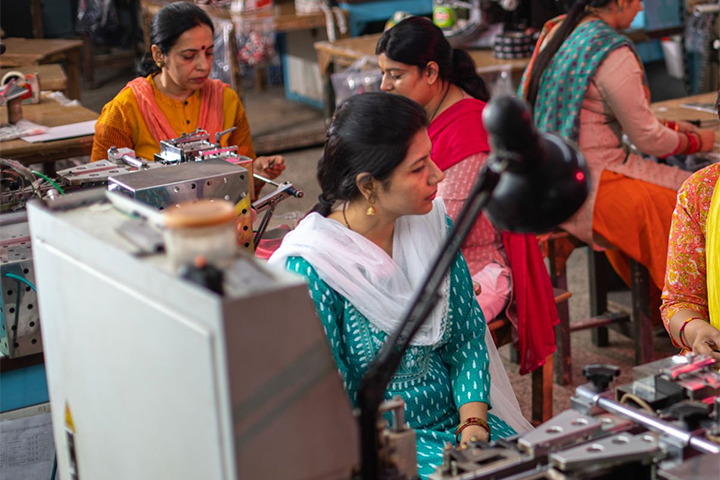
Women accounted for around 29 per cent of employment in the sector, marginally higher than a year earlier. While the increase is modest, it suggests that local services and home-based enterprises continue to create opportunities for female workers, especially in smaller towns and rural areas.
Still, the broader challenge remains unresolved.
India may be one of the world’s fastest-growing major economies, but its employment story continues to depend heavily on low-cost, self-run and informal activity. The latest surge in unincorporated enterprises shows resilience and adaptability. It also highlights how far the country still has to go in creating large-scale formal employment that can deliver stable incomes, productivity gains and long-term economic security.