Friday, 16 Oct, 2026


Image Source: Shutterstock
India’s monsoon is more than a seasonal weather event; it is a major economic driver that affects farmers, food prices, inflation, and national growth. With nearly half of cultivated land dependent on rainfall, changing monsoon patterns and climate risks are reshaping agriculture, rural incomes, government policies, and India’s broader economic outlook.
Every year, India’s economic outlook is influenced by a natural cycle that lasts only four months but affects the lives of hundreds of millions of people — the southwest monsoon. Between June and September, rainfall determines agricultural production, food prices, rural incomes, inflation trends, and even broader economic growth. In India, the monsoon is not just a weather event; it is an economic force that decides whether rural demand rises, food prices remain stable, and millions of farmers experience prosperity or uncertainty.
The importance of the monsoon comes from India’s continued dependence on agriculture. According to the Ministry of Agriculture and Farmers Welfare, agriculture and allied sectors contribute around 18% of India’s GDP and provide employment to nearly 46% of the country’s workforce. Although India has expanded its services and manufacturing sectors, farming remains central to the economy, especially in rural regions where millions depend directly on crop production.
The reason rainfall matters so much is because a large portion of Indian agriculture still depends on the rains. According to the Economic Survey 2023–24 released by the Ministry of Finance, nearly 50% of India’s cultivated land remains dependent on rainfall rather than irrigation. This makes the timing, amount, and distribution of monsoon rainfall critical for crop output.
The southwest monsoon contributes approximately 70% of India’s annual rainfall, according to the India Meteorological Department (IMD). This rainfall supports the kharif cropping season, which includes major crops such as rice, pulses, cotton, maize, soybean, and sugarcane. During the 2023–24 agricultural year, India produced around 332 million tonnes of food grains, according to estimates from the Ministry of Agriculture, highlighting the scale of India’s agricultural system and its dependence on favourable weather conditions.
A normal monsoon creates a positive economic cycle. Better rainfall improves crop yields, increases farmer income, and boosts rural consumption. When farmers earn more, spending increases on consumer goods, vehicles, agricultural equipment, construction, and financial services. According to NielsenIQ’s rural consumption reports, rural India contributes significantly to India’s FMCG market, making agricultural performance important for industries beyond farming.
However, a weak or uneven monsoon can create economic pressure. A decline in agricultural production affects supply, which can increase food prices. This relationship is especially important because food has a major influence on household expenses in India.
According to the Reserve Bank of India (RBI), food and beverages account for approximately 45.9% of the Consumer Price Index (CPI) basket. This means changes in the prices of vegetables, grains, pulses, and other agricultural products directly influence overall inflation. When food prices rise, the impact is felt immediately by households.
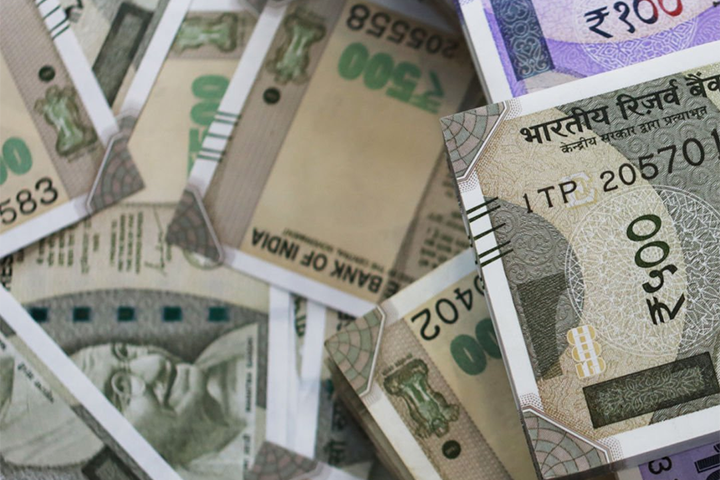
The effect was visible in 2023 when weather-related disruptions affected vegetable production. According to data from the Ministry of Statistics and Programme Implementation (MoSPI), retail food inflation increased significantly during periods of supply shortages. Tomato prices crossed ₹100 per kilogram in several parts of India due to reduced supply caused by weather disruptions. Similar pressure was seen in prices of onions and pulses, forcing the government to take measures to control availability and exports.
The effect was visible in 2023 when weather-related disruptions affected vegetable production. According to data from the Ministry of Statistics and Programme Implementation (MoSPI), retail food inflation increased significantly during periods of supply shortages. Tomato prices crossed ₹100 per kilogram in several parts of India due to reduced supply caused by weather disruptions. Similar pressure was seen in prices of onions and pulses, forcing the government to take measures to control availability and exports.

The impact of monsoon extends beyond food prices to rural economic growth. A good agricultural season increases disposable income among farmers, which supports demand for motorcycles, consumer electronics, household products, and financial services. A poor monsoon can reduce this spending power and slow rural economic activity.
The connection between rainfall and economic growth is visible in India’s GDP data. According to research by the National Council of Applied Economic Research (NCAER) and various economic studies, rural demand cycles are closely linked with agricultural performance. While agriculture directly contributes around 18% of GDP, its indirect impact is much larger because it influences consumption patterns across the economy.
India’s food security also depends heavily on monsoon performance. The government maintains large food grain reserves through the Food Corporation of India (FCI) to manage supply disruptions. According to the FCI Annual Report, India maintains buffer stocks running into tens of millions of tonnes to ensure food availability and control price shocks.
Rice and wheat are especially important because India is among the world’s largest producers. According to the United States Department of Agriculture (USDA) Production, Supply and Distribution database, India is one of the largest producers of rice globally and a major wheat producer. Any significant change in Indian production can therefore influence international food markets.
This global impact became clear in 2023 when India introduced restrictions on some rice exports after concerns over domestic supply and prices. According to the International Food Policy Research Institute (IFPRI), export restrictions from major food-producing countries can affect global food availability, especially for countries dependent on imports.
However, the biggest challenge for India’s monsoon economy is climate uncertainty. Changing weather patterns are making rainfall less predictable. According to the World Bank’s Climate Change Knowledge Portal, India faces increasing risks from extreme weather events, including floods, droughts, and irregular rainfall patterns.
The issue is not only how much rain India receives, but when and where it falls. Heavy rainfall concentrated over a short period can damage crops, while long dry spells can reduce productivity. This creates new challenges for farmers who depend on traditional agricultural cycles.
Government programmes such as irrigation expansion, crop insurance schemes, and climate resilient farming practices aim to reduce dependence on rainfall. However, the monsoon continues to remain a powerful economic indicator.
India’s monsoon is therefore much more than a seasonal weather pattern. It determines the success of crops, influences inflation, affects government policy, and shapes the purchasing power of millions of households.
For India, the arrival of monsoon clouds represents both opportunity and uncertainty. A few months of rainfall can decide the economic direction of an entire year — making the monsoon one of the most important forces behind India’s growth story.