Tuesday, 10 Nov, 2026

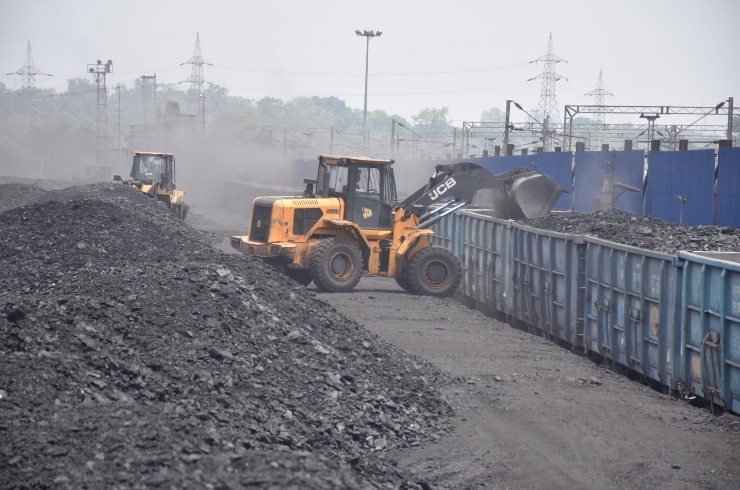
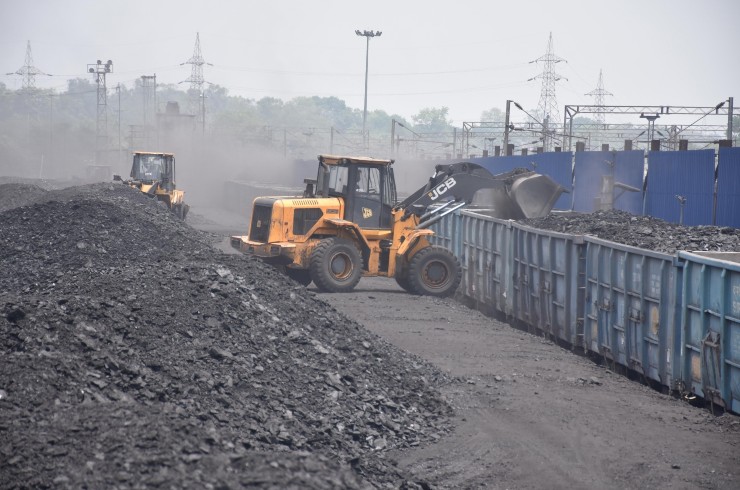
In FY 2025–26, production from these mines crossed the 200 MT mark for the first time, reaching approximately 210.46 MT, compared with 190.95 MT in FY 2024–25, registering an annual growth of 10.22 percent. Image Source: IANS
According to data released by the Ministry of Coal on November 2, production from captive and commercial mines reached 22.03 million tonnes (MT) during October 2026, compared with 15.49 MT in the corresponding month last year.
India’s captive and commercial coal mining sector continued its strong growth trajectory in October 2026, with a substantial increase in production and dispatches reflecting the expanding role of these mines in meeting the country’s domestic coal requirements. According to data released by the Ministry of Coal on November 2, production from captive and commercial mines reached 22.03 million tonnes (MT) during October 2026, compared with 15.49 MT in the corresponding month last year, registering a year-on-year growth of approximately 42 percent. Coal dispatches, which represent the movement of coal from mines to consuming industries and other destinations, also increased by nearly 36 percent to 21.11 MT, against 15.48 MT in October 2025.
The growth was not limited to the monthly performance. During the April–October period of FY 2026–27, cumulative coal production from these mines increased to 117.23 MT, compared with 105.33 MT during the corresponding period of the previous financial year, registering a growth of 11.30 percent. Dispatches during the same period rose by 11.53 percent to 124.86 MT, up from 111.95 MT in the previous year. The simultaneous increase in production and dispatches indicates that the sector is not only expanding its mining output but is also maintaining a higher level of coal movement to meet the requirements of end-user industries. The fact that cumulative dispatches exceeded production during the seven-month period can also be understood in the context of inventory movements, as dispatches may include coal produced and stocked during an earlier period.
The latest performance builds on the significant expansion witnessed in the captive and commercial mining segment over the past few years. In FY 2025–26, production from these mines crossed the 200 MT mark for the first time, reaching approximately 210.46 MT, compared with 190.95 MT in FY 2024–25, registering an annual growth of 10.22 percent. Dispatches also increased to 204.61 MT from 190.42 MT in the preceding financial year. This represents a considerable increase from the 28.83 MT produced by captive and commercial mines a decade earlier. The segment's contribution to India's overall coal production has consequently increased from 10.9 percent in FY 2021–22 to approximately 20.2 percent in FY 2025–26, highlighting its growing importance in the country's coal supply ecosystem.

Source: Ministry of Coal
This expansion assumes particular significance given coal's central role in India's energy and industrial landscape. Coal accounts for approximately 55 percent of the country's primary energy requirements and fuels more than 70 percent of its electricity generation. Despite efforts to diversify the energy mix through renewable and other sources, coal continues to remain an important input for electricity generation, steel manufacturing, cement production and several other energy-intensive industries. India has also maintained domestic coal production above one billion tonnes for two consecutive financial years, producing 1,047.52 MT in FY 2024–25 and 1,040.08 MT in FY 2025–26. Against this backdrop, the increasing contribution of captive and commercial mines is helping diversify domestic supply sources and reduce the pressure on traditional coal suppliers, particularly Coal India Limited.
An important factor behind this expansion has been the government's efforts to reform the coal allocation and mining framework, particularly through the introduction of commercial coal mining. The launch of commercial coal mining in June 2020 marked a significant shift in the sector, allowing private players to participate in coal extraction and sell coal to any consumer, without restrictions on end-use or captive consumption. The reform also replaced the earlier fixed-charge mechanism with a revenue-sharing model, under which successful bidders pay a specified percentage of their revenue to the government. Eligibility conditions were relaxed to encourage wider participation, including companies without prior mining experience, joint ventures and consortia. The government has also permitted 100 percent foreign direct investment through the automatic route in the coal mining sector.
The scale of this policy intervention is reflected in the auction figures. Since the introduction of commercial coal mining in 2020, 141 coal mines have been auctioned across 14 rounds, with a combined peak rated production capacity of approximately 366.35 MT per annum. Of these, 123 mines have been awarded to private-sector entities. The participation of companies that had not previously undertaken coal mining has also widened the investor base and encouraged greater competition in the sector. However, the focus is increasingly shifting from the allocation of coal blocks to their actual operationalisation, as the timely commencement of production remains essential to translating the potential of auctioned reserves into additional domestic coal supplies.
In this context, the grant of Mine Opening Permission to the Lohari coal mine in Jharkhand during October 2026 marks another step towards expanding operational mining capacity. The mine had been awaiting operationalisation for several years, and the approval is indicative of the Ministry of Coal's efforts to address procedural delays and streamline the regulatory framework. With this development, the number of operational captive and commercial coal mines has increased to 87. The government has been undertaking several Ease of Doing Business initiatives to accelerate the commencement of mining operations, simplify approval procedures and reduce the time required to operationalise coal blocks. Under the revised framework, the stipulated operationalisation timeline for fully explored coal blocks has been reduced from 51 months to 40 months, while that for partially explored blocks has been brought down from 66 months to 52 months.
The government's emphasis on operationalising allocated mines is also driven by the substantial economic potential of the sector. According to the Ministry of Coal, the 12 captive and commercial coal blocks operationalised during FY 2025–26 through the grant of Mine Opening Permission added more than 86 MT of annual production capacity. Seven of these blocks also commenced actual coal production during the financial year. At full production capacity, the coal blocks auctioned so far are expected to attract capital expenditure of approximately Rs 48,756 crore, generate annual revenue of around Rs 47,000 crore and create employment opportunities for nearly 4.75 lakh people. These investments are expected to generate economic activity beyond the mining sector, particularly in transportation, equipment manufacturing, logistics and other supporting industries.
Another important consideration is the potential of higher domestic coal production to reduce India's exposure to international coal markets. Although the country has significantly expanded its domestic production, it continues to import coal to meet the requirements of certain industries, particularly those dependent on specific grades and qualities of coal. The steel industry, for instance, relies considerably on imported coking coal, which has limited domestic availability. Greater production from captive and commercial mines can help reduce import requirements for suitable categories of non-coking coal, improve the availability of domestic supplies for power generation and industrial consumption, and reduce vulnerability to international price fluctuations and supply disruptions. This would also help conserve foreign exchange and strengthen the resilience of domestic industrial supply chains.
Going forward, the Ministry of Coal has indicated that its focus will remain on sustaining production growth, addressing infrastructure and supply-side constraints, improving the utilisation of existing mining capacities and ensuring the timely operationalisation of allocated coal blocks. Effective coordination between mining companies, state governments, regulatory authorities and infrastructure agencies will remain important in addressing challenges associated with land acquisition, statutory clearances, transportation and coal evacuation. The development of adequate railway connectivity and other evacuation infrastructure will be particularly important to ensure that increased mining output translates into timely and reliable supplies to consuming industries.
The October performance, therefore, represents more than a rise in monthly production figures. It reflects the gradual transformation of India's captive and commercial coal mining segment into a significant contributor to domestic coal availability. With production having crossed the 200 MT milestone in FY 2025–26, an expanding operational mine base and continued policy efforts to attract private investment, the sector is positioned to play a larger role in meeting the country's growing energy and industrial requirements. Sustaining this momentum, while ensuring efficient and responsible utilisation of domestic coal resources, will be crucial to reducing import dependence, strengthening energy security and advancing the government's broader vision of Atmanirbhar Bharat.