Saturday, 17 Oct, 2026


Image Source: Freepik
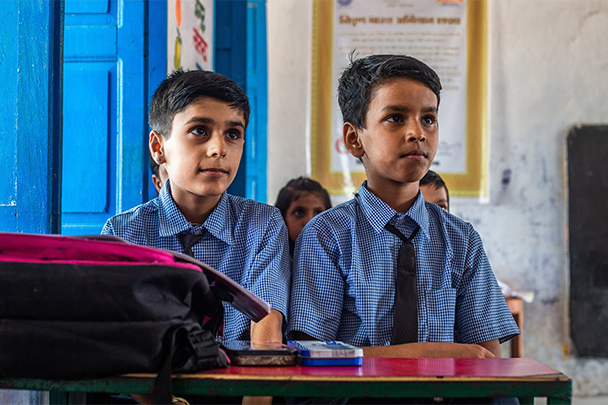
India now ranks second globally in the number of children living with high body mass index (BMI), according to the World Obesity Atlas 2026. With over 41 million affected, the findings point to a rapid shift in the country’s child health landscape over recent decades.
The World Obesity Atlas 2026 reveals that India ranks second globally, after China, in the number of children living with high body mass index (BMI). The findings underline that the rise in childhood obesity is no longer confined to high-income nations, with lower and middle-income countries now witnessing some of the fastest increases.
According to the Atlas, around 41 million Indian children aged 5-19 were living with high BMI in 2025, including approximately 14 million classified as living with obesity. Within this group, nearly 14.92 million were children aged 5–9, while 26.40 million were adolescents aged 10–19. These figures place India behind only China, which has about 62 million children with high BMI and 33 million living with obesity. The United States follows with lower overall numbers, indicating that India has overtaken it in terms of the total number of children with high BMI.
The global picture reflects a broader shift in public health trends. More than one-fifth of children worldwide in the 5-19 age group are now overweight or obese, compared to 14.6 per cent in 2010. If current trajectories continue, this number could reach 507 million by 2040. Efforts to halt the rise in childhood obesity by 2025 have already fallen short, and most countries remain off track even with revised targets set for 2030.
In India, the pace of increase is particularly notable. Childhood obesity is estimated to be rising at an average rate of about 5 per cent annually. Researchers warn that the implications extend beyond weight gain, as excess BMI in childhood is associated with a range of chronic conditions that may develop early and persist into adulthood.
Projections indicate a significant rise in obesity-related metabolic risks among Indian children by 2040. Cases of BMI-attributed hypertension are expected to increase from 2.99 million to 4.21 million, while hyperglycaemia could rise from 1.39 million to 1.91 million. High triglyceride levels may grow from 4.39 million to 6.07 million, and metabolic dysfunction-associated steatotic liver disease (MASLD), previously known as non-alcoholic fatty liver disease, is projected to rise from 8.39 million to 11.88 million cases.
Medical experts note that such conditions, traditionally associated with adults, are increasingly being observed among children. Insulin resistance, hypertension, elevated triglycerides and fatty liver disease are among the complications linked to obesity in younger populations. These risks highlight the long-term health implications of rising childhood BMI.
The Atlas identifies several factors contributing to the trend. Around 74 per cent of adolescents aged 11–17 do not meet recommended physical activity levels, while only about 35.5 per cent of school-age children have access to regulated school meal programmes. Early-life nutrition patterns also play a role, with approximately 32.6 per cent of infants experiencing sub-optimal breastfeeding. Maternal health indicators further influence outcomes, as 13.4 per cent of women of reproductive age have high BMI and 4.2 per cent live with type 2 diabetes.
Changing dietary habits, sedentary lifestyles, urbanisation and increased exposure to ultra-processed foods are widely identified as contributing factors. Surveys indicate that overweight and obesity are more prevalent in urban areas than in rural regions, reflecting differences in consumption patterns and levels of physical activity.
National survey data also show a broader rise in obesity across age groups. Findings from the National Family Health Survey indicate that the share of overweight or obese men increased from 18.9 per cent in NFHS-4 to 22.9 per cent in NFHS-5, while among women it rose from 20.6 per cent to 24 per cent. Overall, 24 per cent of women and 23 per cent of men in India are classified as overweight or obese. Among children under five years, the proportion identified as overweight increased from 2.1 per cent to 3.4 per cent between the two survey rounds.
The economic implications of obesity are also significant. Estimates from the Global Obesity Observatory suggest that the financial burden of overweight and obesity in India was about $28.95 billion in 2019, equivalent to roughly 1 per cent of GDP. If current trends continue, this cost could rise to approximately $81.53 billion in the coming decades and expand further to $838.6 billion by 2060, increasing the overall economic strain associated with obesity-related health conditions.

The issue has also received policy attention at the highest levels. In an episode of Mann Ki Baat, the Prime Minister highlighted the growing concern around obesity, emphasising its implications not only for public health but also for the economy. The discussion reflected broader recognition that the consequences of rising obesity extend beyond individual health outcomes to wider developmental challenges.
The current situation marks a significant shift in India’s public health landscape. A few decades ago, obesity was largely viewed as a concern affecting wealthier countries, while undernutrition dominated policy priorities in developing nations. However, a global analysis published in The Lancet indicates that obesity among children and adolescents in 2022 was four times higher than in 1990. In India, the number of children aged 5-19 living with obesity increased sharply from around 0.4 million in 1990 to approximately 12.5 million in 2022.
Adult obesity has also increased over the same period. The prevalence among women rose from 1.2 per cent in 1990 to 9.8 per cent in 2022, while among men it increased from 0.5 per cent to 5.4 per cent. Together, these trends reflect a broader transformation in nutritional and lifestyle patterns.
Overall, the coexistence of undernutrition and rising obesity highlights a complex transition in India’s health profile. With millions of children already affected and projections pointing to further increases in metabolic diseases, the trajectory of childhood obesity represents an evolving challenge for population health and economic sustainability.