Thursday, 17 Sep, 2026


Photo courtesy: Pixabay
Growth upgrades typically buoy markets by pointing to stronger earnings. Banks, automakers, consumer-goods firms, and construction companies are already reporting firmer traction
The Asian Development Bank’s (ADB’s) latest update on India’s economy adds to a growing list of upbeat forecasts. In its newest outlook, ADB has raised India’s GDP growth estimate for FY26 to 7.2 per cent, a steep upgrade from 6.5 per cent earlier. The change has come on the back of stronger household spending, a pick-up in manufacturing, and the impact of recent tax cuts that have kept money circulating in the economy.
This upgrade is not an isolated event. Fitch Ratings has also raised its FY26 projection to 7.4 per cent, up from 6.9 per cent, pointing to stronger consumer sentiment and better GST implementation. SBI Research has gone even further, saying growth may touch around 7.6 per cent, supported by solid tax collections, steady bank lending, and healthy performance in services.
Together, these revisions signal a belief that India’s economy is gaining momentum at a time when many large countries are slowing.
Why are the agencies so bullish?
The optimism comes from a few clear trends.
First, the second-quarter GDP number surprised almost everyone. Growth hit 8.2 per cent, the fastest in six quarters. What stands out is that this strength did not come from government spending, which has slowed due to fiscal consolidation. Instead, it was households and businesses driving the economy. Private consumption grew at a strong pace, and both manufacturing and services continued to expand.

Second, inflation has eased sharply. Retail inflation in October fell to 0.3 per cent, the lowest since the current series began in 2012. Food prices declined for the second straight month. GST rate cuts reduced the prices of several goods. Good weather and strong farm output prevented any sudden rise in essentials. With inflation cooling faster than expected, the Reserve Bank of India’s lower estimate of 2.1 per cent for FY26 no longer looks unrealistic.
Low inflation boosts purchasing power and creates space for interest rates to remain stable for longer.
Third, exports have held up better than expected. Shipments to the US — especially smartphones, pharmaceuticals, and other tariff-free products — stayed steady even as global trade slowed. Some exporters also rushed goods ahead of upcoming US tariff changes, lifting volumes temporarily.
Fourth, bank lending continues at a healthy pace. Credit to retail borrowers, small businesses, and services remains strong. This lending cycle feeds more spending and more investment.
These factors together explain why several global and domestic institutions are confident about India’s near-term growth.
What could slow things down?
There are still challenges.
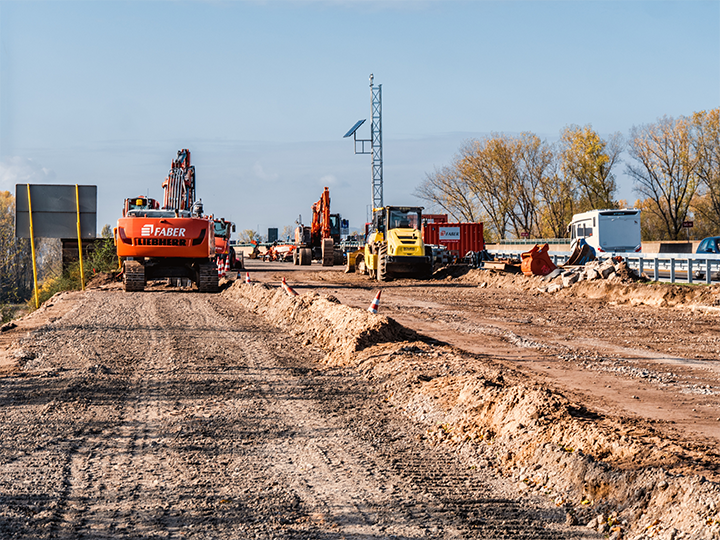
Government capital spending is likely to be restrained in the coming quarters as the Centre focuses on bringing down the fiscal deficit. This can slow construction activity and public sector investment.
Exports face risks from trade tensions. The US has imposed a 50 per cent tariff linked to Russian oil imports, which could hit some Indian exporters. Broader tariff actions could hurt engineering goods, textiles, and chemicals.
Weather remains a worry. Erratic monsoons in recent years have affected rural incomes, and a sudden change in rainfall patterns could weaken the current rural recovery.
Still, the overall balance of risks is considered manageable. If India and the US make progress in trade negotiations, some tariff pressure may ease. Implementation of new labour laws could improve hiring flexibility. A simpler GST structure may reduce compliance issues. Rural demand, which had been weak for two years, finally shows signs of picking up.
What this means for investors
Upward growth revisions usually cheer the markets. Stronger growth often translates into higher corporate earnings, which is what investors look for. Sectors like banking, automobiles, consumer goods, and construction have already reported improved demand.
The larger question is whether this momentum will last. If private investment — which has been subdued for almost a decade — begins to rise, the positive trend will strengthen. If it does not, the economy may lose steam once government spending cools.

For now, investors see a stable picture: low inflation, high growth, and policy continuity. That combination is drawing foreign investors back after several months of selling.
What it means for ordinary people
For everyday citizens, the picture is straightforward.
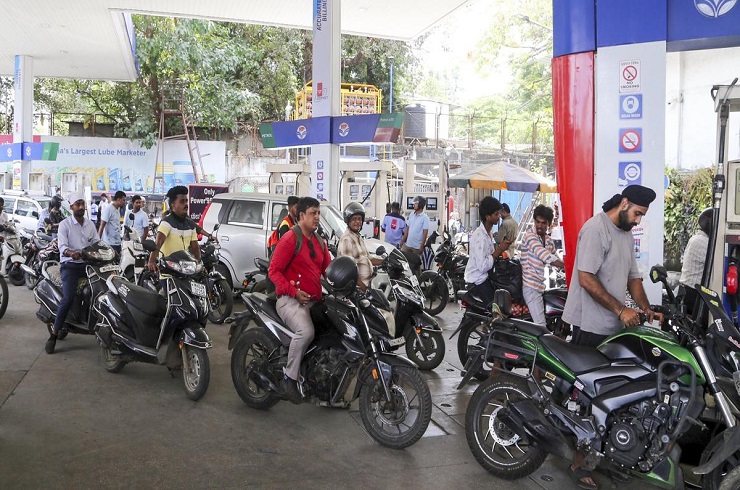
Low inflation means daily expenses do not rise as quickly. Strong growth improves job prospects. Wage increases become more likely. If rates stay stable or decline later, home and business loans may become more affordable.
Rural areas could benefit from stable crop production and better farm income. But risks remain. Any sharp global slowdown could hurt export-linked jobs. If government spending is cut too sharply, infrastructure work and rural schemes could face delays.
The bottom line
India has reached a rare phase where growth is strong and inflation is unusually low. Global agencies like ADB and Fitch, along with domestic analysts like SBI Research, are reflecting this confidence in their upgraded forecasts. The challenge is to convert this momentum into a durable growth cycle driven by investment, stable prices, and stronger exports.
The outlook is brighter than it has been in years—but sustaining it will require careful navigation of global risks and consistent policy support at home.