Wednesday, 07 Oct, 2026

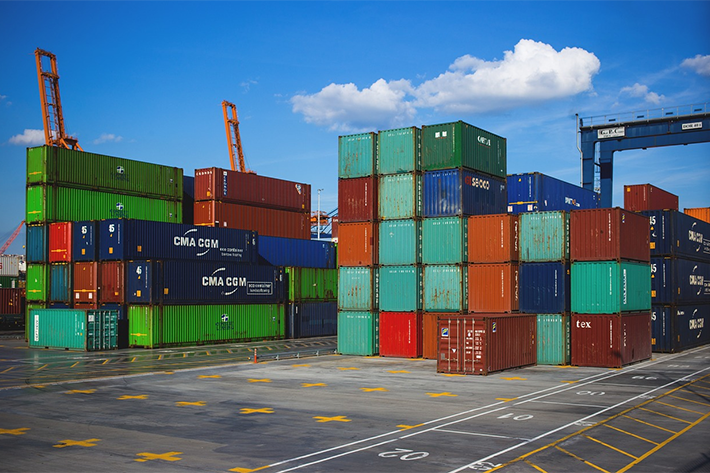
Photo courtesy: Pixabay
The shrinking trade deficit reflects weaker imports rather than stronger exports. November imports fell nearly 2%, led by a near-60% plunge in gold purchases, while softer global oil prices also reduced petroleum imports
The export numbers for November look impressive at first glance. Merchandise exports jumped 19.4 per cent year-on-year to $38.13 billion, the fastest growth in more than three years. Shipments to the US rose 22.6 per cent, while exports to China surged a startling 90 per cent. Imports, meanwhile, contracted, pulling the trade deficit down to a five-month low of $24.5 billion. Put together, it seems like a turning point.
But as always with trade data, the headline conceals as much as it reveals.
Start with the export surge. The growth rate is eye-catching partly because the base was weak. Exports had struggled through much of the past year amid slowing global demand and rising trade barriers. A sharp bounce after a period of stagnation will naturally look dramatic. That does not automatically signal a durable revival.
The country-wise numbers raise more questions. Exports to the US have held up despite a 50 per cent tariff on some Indian goods. That suggests exporters are protecting market share by absorbing costs, trimming margins, or relying on long-term contracts. It shows resilience—but also strain. Tariffs of that magnitude do not disappear quietly. They compress profitability and discourage fresh investment. Holding the line is not the same as moving ahead.

The surge in exports to China is even more misleading if read carelessly. A 90 per cent jump sounds transformative, but it likely reflects a mix of low base effects, short-term commodity shipments, and inventory adjustments rather than a structural shift in bilateral trade. India’s exports to China remain narrow and volatile, while imports from China continue to dominate. One good month does not reverse a long-standing imbalance.
The narrowing of the trade deficit owes more to imports than exports. Imports fell nearly 2 per cent in November, driven largely by a collapse in gold imports, which were down almost 60 per cent year-on-year. Petroleum imports also declined as global oil prices softened. These are price and policy effects, not signs of weakening domestic demand. Gold imports, in particular, are notoriously lumpy and sensitive to price movements and regulatory changes. A fall one month can reverse quickly.
This distinction matters. A lower trade deficit driven by weak imports is not the same as one driven by stronger export competitiveness. November’s numbers fall closer to the former.
Services trade remains the quiet stabiliser. Services exports rose nearly 12 per cent, generating a surplus of $17.9 billion. That surplus continues to offset much of the merchandise trade gap, keeping the overall external position manageable. But services exports grow steadily, not spectacularly. They smooth volatility; they do not create export booms.

Put together, merchandise and services exports reached $64 billion in November, while imports stood at $80.6 billion, leaving an overall trade deficit of $6.6 billion. That is comfortable by recent standards, but again, it reflects favourable short-term factors rather than a structural shift.
The commerce secretary’s comment that India has “held the fort” in exports to the US is telling. Holding the fort is defensive language. It implies that exporters are under pressure but managing not to lose ground. That is creditable, but it is not a strategy for growth. If tariffs persist, the pressure will eventually show up in investment decisions, employment, and pricing power.
Exporters themselves acknowledge that diversification has helped. That is true, and necessary. But diversification also has limits. Global demand is slowing, trade is fragmenting, and more countries are protecting domestic industry. New markets are harder to find and slower to develop.
The larger picture, then, is one of resilience rather than resurgence. India’s exporters are adapting—juggling markets, managing costs, and leaning on services exports to balance the books. But they are doing so in a tougher world, where trade agreements matter more and tariffs are no longer exceptions.
November’s numbers offer relief, not reassurance. They show that India can still respond when conditions align. They do not yet show that export growth has entered a new, durable phase. For that, the gains will need to persist even when gold imports rise, oil prices firm up, and trade barriers stop being temporary irritants and start becoming permanent features of the landscape.
In trade, one strong month buys time. It does not change the direction of travel.