Thursday, 17 Sep, 2026

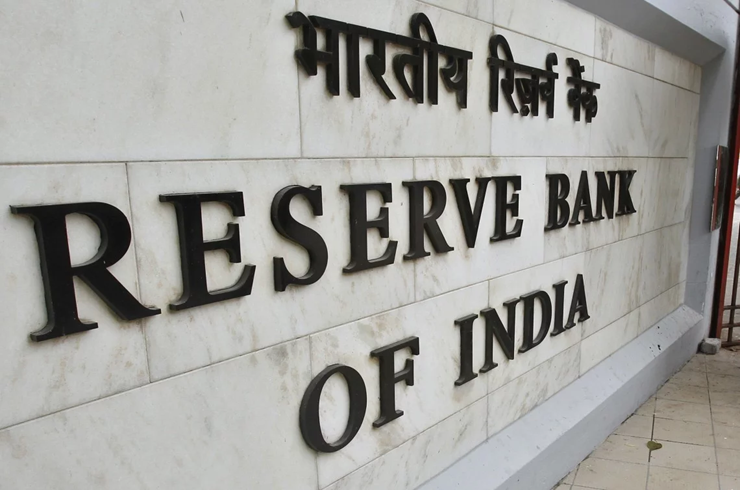
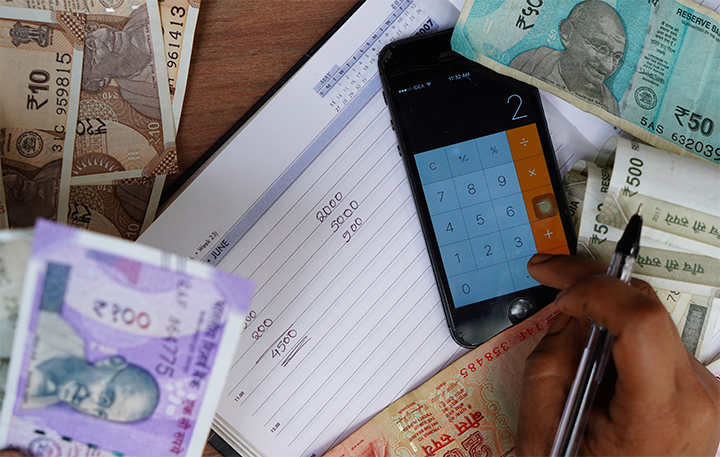
India’s foreign exchange reserves saw a sharp weekly drop, falling to $716.81 billion for the week ending March 6 from $728.49 billion in the previous week, according to data from the Reserve Bank of India. Image Source: IANS
Rather than sharp crashes, the currency has followed a gradual depreciation path of around 4–5 percent annually, largely reflecting underlying economic realities like the current account deficit.
RBI May Need a $1 Trillion War Chest to Protect the Rupee
India’s central bank could soon face a much bigger task than routine currency management. According to former Reserve Bank of India deputy governor Michael Debabrata Patra, the country may need to build foreign exchange reserves of up to $1 trillion to effectively shield the rupee from global shocks. His argument comes at a time when the global financial system is becoming more unpredictable, with capital moving quickly across borders and liquidity tightening in major economies. In such an environment, he believes India needs both a larger financial buffer and smarter tools to respond quickly when stress hits.
A Currency Strategy That Has Worked—So Far
Patra points out that the RBI’s approach to managing the rupee has been relatively balanced and pragmatic. Instead of trying to defend a fixed exchange rate, the central bank intervenes only to prevent excessive volatility.
This “two-way” intervention strategy has helped India maintain credibility in global markets. It has also contributed to a relatively stable trend in the rupee’s movement. Rather than sharp crashes, the currency has followed a gradual depreciation path of around 4–5 percent annually, largely reflecting underlying economic realities like the current account deficit. That measured approach has paid off diplomatically too, with India being removed from the US Treasury’s currency monitoring watchlist.
Why $1 Trillion? The Logic Behind the Big Number
Patra’s $1 trillion reserve target may sound ambitious, but he backs it with clear reasoning. India faces multiple external risks at once. There is short-term external debt of roughly $300–350 billion that needs to be covered. On top of that, foreign portfolio investors who can move money in and out quickly, hold large positions in Indian markets. In a worst-case scenario, sudden outflows could require an additional $600–650 billion buffer.
He also suggests a rule of thumb: reserves should cover at least 60–65 percent of total foreign portfolio investment at current market value. That level of preparedness would not only strengthen the RBI’s ability to intervene but also act as a deterrent against speculative attacks on the rupee.
Can India Build Reserves That Fast?
Patra believes the answer is yes. He suggests that India could reach the $1 trillion mark within three years, broadly in line with how reserves have grown in the past during periods of strong inflows. But building reserves on that scale isn’t just about accumulating dollars, it also creates excess liquidity in the domestic system. To manage this, the RBI can rely on tools like the standing deposit facility, which allows it to absorb surplus liquidity efficiently without destabilizing interest rates.

Source: Reserve Bank of India
India’s foreign exchange reserves saw a sharp weekly drop, falling to $716.81 billion for the week ending March 6 from $728.49 billion in the previous week, according to data from the Reserve Bank of India. The $11.68 billion decline was largely driven by heavy dollar sales by the central bank as it stepped in to support the rupee, which has been under pressure due to rising oil prices linked to the Iran conflict and broader global uncertainty. Additional strain came from higher U.S. bond yields and a stronger dollar, which tend to pull capital away from emerging markets like India and increase demand for the greenback.
Most of the fall in reserves came from foreign currency assets, which dropped by $9.8 billion, while gold reserves declined by $1.6 billion, partly due to valuation effects. These foreign currency assets are held in multiple currencies, so their value in dollar terms can fluctuate depending on movements in exchange rates such as the euro or yen against the U.S. dollar, meaning the decline reflects not just RBI intervention but also currency depreciation effects within the reserve basket.
A New Playbook: Using Global Dollar Liquidity
Beyond stockpiling reserves, Patra is also calling for more active use of global financial safety nets. One key instrument is the Foreign and International Monetary Authorities (FIMA) repo facility set up by the Federal Reserve during the COVID-19 crisis. This mechanism allows central banks to temporarily swap their US Treasury holdings for dollars, without selling those assets.
India holds around $190 billion in US Treasuries, giving it significant room to use this facility. In times of stress, the RBI could quickly access dollar liquidity and channel it into domestic markets through swaps, repos, or forward contracts, helping stabilize the currency and financial system.
The Bigger Risk: Oil, Trade, and Geopolitics
The timing of Patra’s warning is important. India’s external position, while stable for now, remains vulnerable to global developments. Recent data showed the country’s trade deficit narrowing to $27.1 billion in February from $34.68 billion in January, mainly due to a drop in imports. But this improvement may not last. Tensions around the Strait of Hormuz, one of the world’s most critical energy routes, are raising fresh concerns. Any disruption there could send oil and gas prices soaring.
India’s Energy Dependence Makes It Exposed
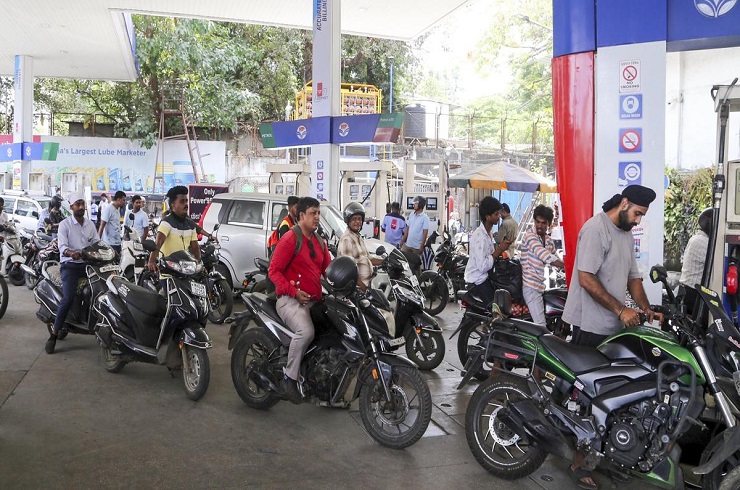
India’s vulnerability lies in its heavy reliance on imported energy. More than 80 percent of crude oil is imported and nearly 60 percent of cooking gas comes from overseas If supply disruptions push prices higher, the consequences could be immediate and wide-ranging. The trade deficit could widen again, inflation could rise, and the rupee could come under renewed pressure. There’s also a knock-on effect on trade relationships. India exports significantly to countries in West Asia such as Iran, Iraq, Qatar, and Saudi Arabia and instability in the region could disrupt both imports and exports.
The Bottom Line
Patra’s message is clear: in a world of rising uncertainty, India cannot rely solely on past strategies. A much larger reserve buffer, combined with smarter use of global liquidity tools could give the Reserve Bank of India the firepower it needs to handle sudden shocks. The challenge now is whether policymakers move early to build that cushion or wait until global turbulence forces their hand.