Monday, 21 Sep, 2026

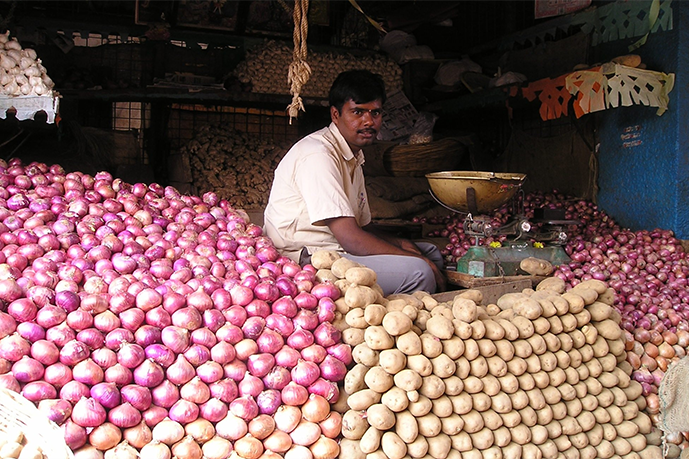
Photo courtesy: Pixabay
Without more resilient food supply chains, India’s inflation will continue to be dictated by the next vegetable price spike
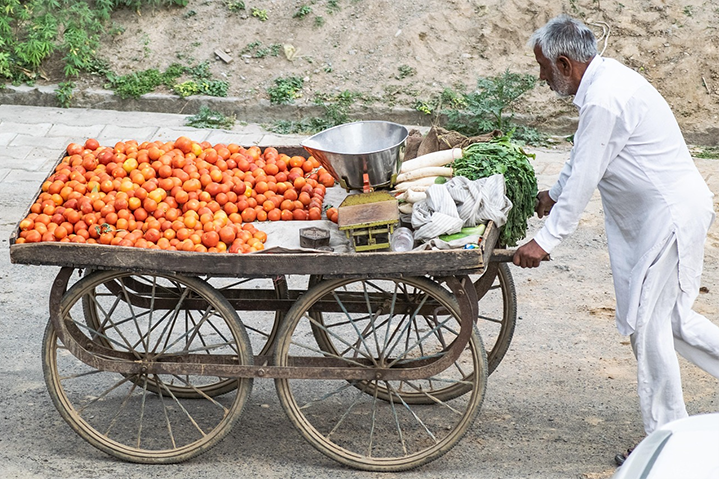
For much of this year, India’s food inflation story appeared to be cooling. The familiar trio of tomatoes, onions and potatoes—collectively known as TOP—had largely stopped driving consumer prices higher after repeatedly disrupting household budgets over the past decade.
That respite may prove short-lived. The inflation shock is not disappearing; it is merely changing vegetables.
After months in which tomatoes dominated food inflation, onions are emerging as the latest pressure point. The shift illustrates both the volatility of India’s food supply chain and the persistent challenge policymakers face in taming headline inflation despite an overall moderation in consumer prices.
Data for the first six months of 2026 show tomato inflation steadily easing after the sharp spikes seen earlier, interrupted only by a brief rebound in May. Even then, retail tomato inflation remained elevated at around 32 per cent year-on-year in June, underscoring how slowly prices return to normal after supply disruptions.

Potatoes, by contrast, have remained remarkably stable. Inflation has either been marginal or prices have declined during the same period. Onions also appeared relatively benign through the first half of the year.
That picture changed dramatically in July.
Average retail onion prices across states jumped nearly 20 per cent year-on-year, even as tomato and potato prices declined. Tomatoes still remained more expensive than onions in absolute terms, but the direction of price movement matters more for inflation. It is onions, not tomatoes, that are now contributing the largest incremental pressure to food prices.
The transition is evident in the contribution of TOP to overall inflation.
During the first four months of 2026, the combined effect of tomato, onion and potato prices actually pulled headline inflation lower. Their contribution remained negative, helping offset price increases elsewhere in the consumption basket. That support began to fade in May before turning modestly positive in June as tomato prices remained elevated.
July is likely to reinforce that reversal.
With onion inflation accelerating sharply, the combined contribution of TOP to headline inflation is expected to strengthen further, potentially reversing one of the important factors that had helped keep consumer inflation unusually subdued this year.
For the Reserve Bank of India, the development deserves close attention even if it does not immediately alter the broader inflation outlook.
Food inflation in India is notoriously cyclical, driven less by demand than by weather, crop cycles, storage constraints and supply bottlenecks. Tomatoes tend to experience the sharpest but shortest price spikes because of their perishability. Onions behave differently. Better storage facilities allow prices to remain elevated for longer if production disappoints or inventories tighten.

That makes onion inflation potentially more persistent than tomato inflation.
The broader concern is that India’s food inflation continues to rotate from one commodity to another instead of disappearing altogether. This pattern reflects structural weaknesses in agricultural marketing rather than temporary shortages alone. Inadequate cold storage, fragmented supply chains, uneven procurement and weather-related disruptions continue to amplify relatively small production shocks into sharp retail price movements.
The government’s response has also become increasingly predictable—buffer stock releases, restrictions on exports and market interventions whenever prices surge. While these measures often moderate prices in the short run, they do little to address the underlying volatility that causes repeated inflation cycles.
The encouraging news is that headline inflation remains well below the RBI’s target ceiling, giving policymakers room to accommodate temporary food-price shocks without immediately tightening monetary policy. Core inflation has also remained relatively subdued, indicating that broader price pressures are still contained.
Yet households experience inflation differently from economists.
Vegetables occupy a disproportionately large place in daily spending, particularly for lower-income families. Even temporary spikes in onion or tomato prices are felt immediately at the kitchen table, often shaping public perceptions of inflation more than broader price indices.
The latest data therefore suggest that India’s inflation battle is entering another familiar phase. Tomato prices may finally be cooling, but onions are ensuring that the relief remains incomplete. Until supply-side reforms make food production and distribution more resilient, India’s inflation story is likely to remain less about aggregate demand and more about whichever vegetable decides to dominate the market next.