Friday, 23 Oct, 2026

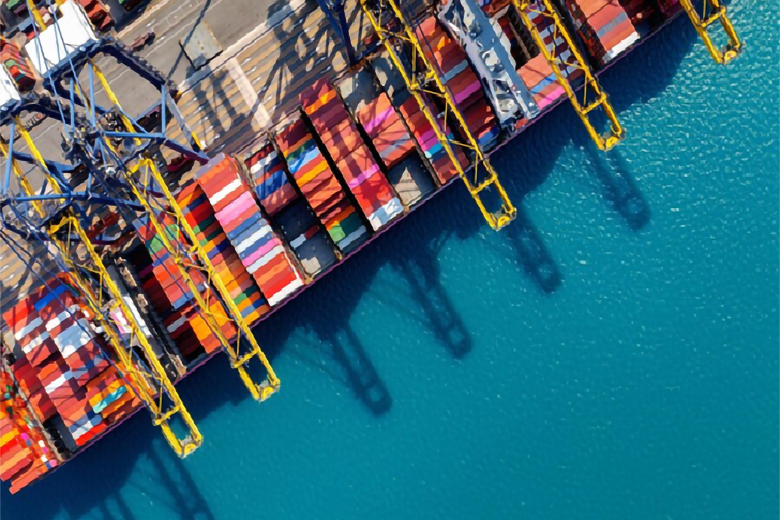
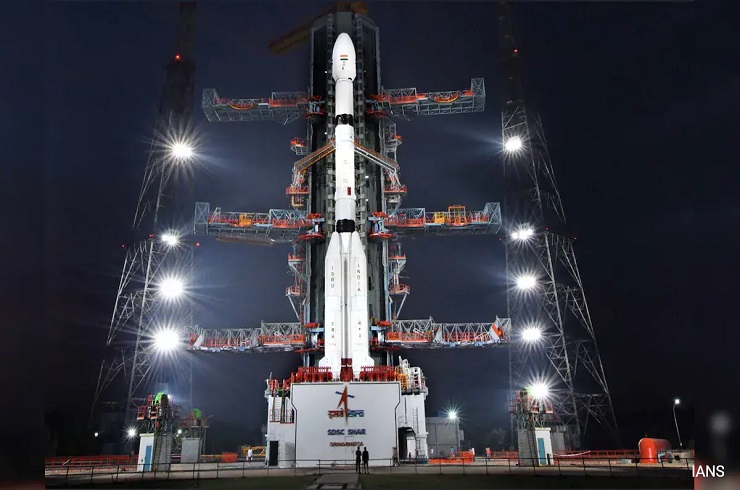
Image Source: IANS
In a significant enhancement, the dashboard has been expanded from 121 to 165 performance indicators, with the addition of 44 new indicators, providing a broader and more detailed assessment of India's infrastructure landscape.
The Ministry of Statistics and Programme Implementation (MoSPI) has released the latest quarterly update of the PAIMANA (Project Assessment, Infrastructure Monitoring & Analytics for Nation-building) Performance Dashboard, offering a comprehensive snapshot of the country's infrastructure performance across multiple sectors. Launched on 16 April 2026, the dashboard is designed to strengthen infrastructure monitoring, improve evidence-based policymaking and enhance transparency by making official performance statistics readily accessible to policymakers, researchers and the public.
The latest update incorporates the most recent data submitted by various Ministries and Departments, ensuring timely dissemination of official statistics and enabling continuous monitoring of infrastructure development. In a significant enhancement, the dashboard has been expanded from 121 to 165 performance indicators, with the addition of 44 new indicators, providing a broader and more detailed assessment of India's infrastructure landscape.
The civil aviation sector continued to witness strong momentum, reflecting the sustained recovery and expansion of India's aviation ecosystem. Air cargo movement reached 98,920 tonnes in April 2026, marking an 11.8 per cent year-on-year increase, while passenger traffic remained robust. During FY 2026-27 (up to May), domestic and international airlines together handled 7.1 crore passengers, with cargo volumes touching 7.3 lakh tonnes, up 10.6 per cent over the corresponding period last year. The country's aviation infrastructure has also expanded considerably, with the number of operational aerodromes increasing from 84 in 2014 to 165, underscoring the government's focus on improving regional connectivity. The sector also facilitated the arrival of 10.52 lakh foreign tourists during April-May FY 2026-27, highlighting aviation's growing contribution to tourism, trade and international connectivity.
Number of foreign nationals arriving in India

India's telecommunications sector maintained its rapid pace of digital expansion, driven by rising internet usage and continued investment in network infrastructure. Wireless and mobile data consumption climbed to 2,85,376 petabytes during FY 2025-26, registering a robust 24.7 per cent annual growth. The total number of telephone subscribers increased from 120.17 crore to 133.06 crore, representing a 10.7 per cent rise, while telecom density improved to 93.26 per cent, indicating deeper digital penetration across the country. Supporting this growth, telecom infrastructure expanded to 8.55 lakh towers and 32.25 lakh Base Transceiver Stations (BTS), reflecting sustained investments to strengthen connectivity and support India's fast-growing digital economy.
Number of Mobile Towers & Base Transceiver Stations

The road transport and highways sector continued to improve physical as well as digital infrastructure. During FY 2025-26, India constructed 9,360 kilometres of National Highways, further strengthening road connectivity and facilitating faster movement of people and goods. Simultaneously, the adoption of digital tolling gathered pace, with electronic toll collection transactions reaching 88 crore during FY 2026-27 (up to May), recording an impressive 39.7 per cent year-on-year increase. The growing use of electronic toll systems points to improved efficiency, reduced congestion and greater adoption of cashless transport infrastructure.
Quarterly electronic toll collection transactions

The railways sector also registered notable progress in both freight operations and passenger services. Freight efficiency improved significantly, with the average carrying capacity of broad-gauge wagons increasing to a record 64 tonnes per wagon in 2024-25, compared with 60.8 tonnes in 2015-16, while average freight loading reached nearly 68 tonnes per wagon. At the same time, India's railway network expanded to more than 1.37 lakh track kilometres, reinforcing its position as one of the world's largest rail systems. Passenger services also witnessed healthy growth, with Indian Railways carrying an average of 19.98 million passengers every day during 2024-25, reflecting a 5.8 per cent increase over the previous year.
Total length of railway tracks available for train operations

Average quantity of freight (tonnes) carried by each Broad-Gauge wagon

India's ports, shipping and waterways sector likewise recorded encouraging growth, underlining its increasing importance in supporting trade and multimodal logistics. Passenger traffic at non-major ports reached 2.06 crore during FY 2024-25, while coastal cargo handling increased to 196.8 million tonnes at major ports and 142.2 million tonnes at non-major ports. The country's maritime capacity also expanded, with the national fleet growing to 1,592 vessels in 2025, representing a 3 per cent annual increase. India's sea-borne trade has nearly doubled over the past decade, rising from 76 million tonnes in 2015 to 145 million tonnes in 2023, reflecting the country's expanding role in global commerce. Inland waterways also continued to develop, with the inland water vessel fleet reaching 10,623 vessels during 2024-25, while the length of navigable waterways expanded to 29,151.9 kilometres, strengthening multimodal transport networks and improving inland connectivity.
Sea-borne trade for India

Overall, the latest PAIMANA dashboard paints a picture of steady and broad-based infrastructure development across key sectors. The expanded set of indicators provides a more comprehensive framework for tracking progress, identifying emerging trends and supporting data-driven policymaking, while highlighting the government's continued emphasis on improving connectivity, logistics, digital infrastructure and economic competitiveness.