Thursday, 19 Nov, 2026

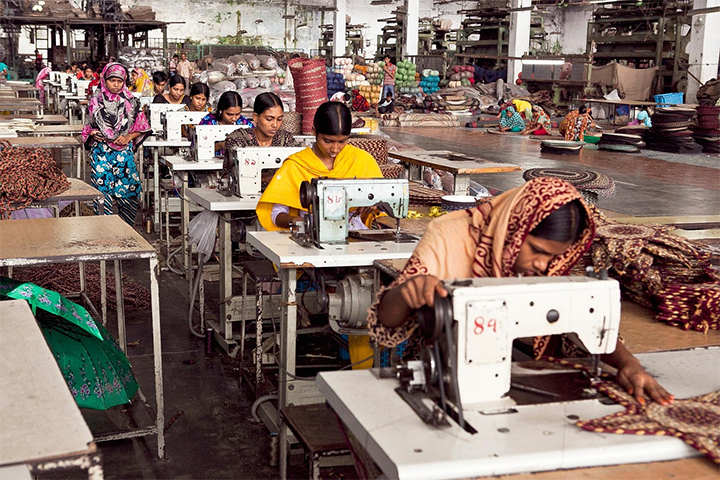
Photo Courtesy: Pixabay
More investment, manufacturing growth and a skilled workforce are vital. But the demographic dividend will materialise only if economic expansion creates productive jobs and raises wages in line with living costs.
India’s long working hours may be an attraction for investors, but they also raise a question about the quality of employment being created by a fast-growing economy. At the recent India-Netherlands Business Forum, Commerce Minister Piyush Goyal pitched the country as an investment destination by saying that Indian workers never announce that it is five o’clock or remind employers that the weekend has arrived.
The remark was intended to underline the commitment and flexibility of India’s workforce. The numbers, however, point to a more complicated picture. Nearly half of the country’s employed workers put in at least 49 hours a week, while the real earnings of most workers declined between 2017-18 and 2023-24.
According to the International Labour Organisation, 48.8 per cent of Indian workers worked for 49 hours or more a week in 2025. This is a substantial share of the workforce spending considerably more time at work than the standard 40-hour week followed in many economies.
The new labour laws prescribe a 48-hour working week. Employees covered by statutory minimum-wage provisions can, however, work beyond that limit if they are paid overtime. The average working week remains within the prescribed limit, but the distribution of working hours varies sharply across sectors.

Trade and business services report the longest working week, at 56 hours, followed by mining, electricity, gas and water. The variation matters because a national average can conceal the pressures faced by workers in particular occupations.
The regional comparison also places India in perspective. The share of workers putting in 49 hours or more rose from 50.03 per cent in 2019 to 54.70 per cent in 2025 in the country with the highest reported figure, while India’s share stood at 48.8 per cent in 2025. The figures underline that long working hours are not unique to India, although the country’s proportion remains high.
The more difficult question is what workers receive in return for the time they put in.
Real earnings—income adjusted for inflation—fell for most workers between 2017-18 and 2023-24. This means that longer or sustained working hours have not necessarily translated into greater purchasing power. A rise in nominal wages can offer little improvement in living standards if the cost of essentials increases faster.
That distinction is important for an economy seeking to turn growth into broad-based prosperity. Employment is not measured only by the number of people at work or the hours they spend there. The purchasing power of their earnings, the security of their jobs and the scope for improving their skills and productivity matter just as much.
Long working hours can reflect strong demand, the nature of particular occupations or gaps in staffing. They can also point to weak bargaining power and the limited ability of workers to negotiate their time. The figures alone cannot establish which factor dominates across sectors. But they make a strong case for looking beyond the idea that longer hours are automatically a sign of greater productivity.

India needs investment, manufacturing expansion and a competitive workforce. Yet the country’s demographic advantage will yield lasting economic gains only if workers share in the benefits of growth. Businesses need productive employees; households need wages that keep pace with the cost of living.
The challenge, therefore, is not to celebrate the willingness of Indian workers to stay longer at their desks or on factory floors. It is to build an economy in which higher productivity translates into better real earnings, decent working conditions and greater financial security. The true measure of India’s labour advantage should be not how long its workers remain at work, but how much their work improves their lives.