Friday, 16 Oct, 2026

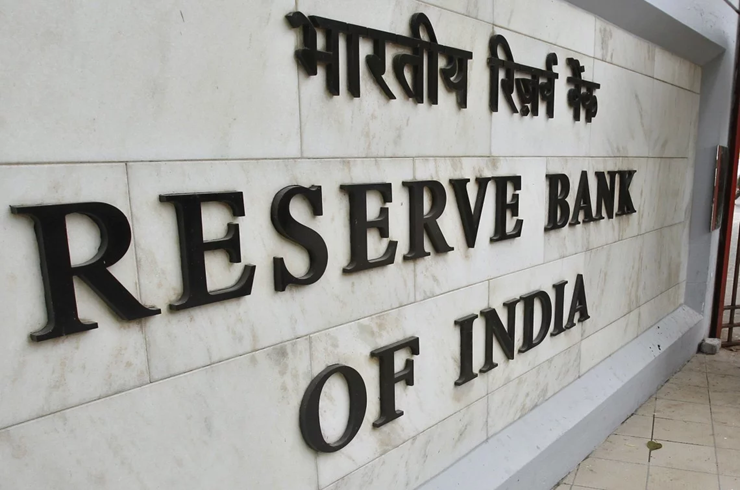
The Reserve Bank of India’s Monetary Policy Committee (MPC) on December 5 had announced a reduction in the repo rate to 5.25 percent from 5.5 percent, marking its first rate cut after two consecutive meetings of maintaining the status quo. Image Source: IANS
The central bank has slightly raised its inflation projections for the first two quarters of 2026–27, estimating CPI inflation at 4 percent in the first quarter and 4.2 percent in the second, compared to earlier forecasts of 3.9 percent and 4.0 percent, respectively.
The Reserve Bank of India has opted to maintain the repo rate at 5.25 percent in its sixth and final bi-monthly monetary policy review of the fiscal year. Governor Sanjay Malhotra stated that the Monetary Policy Committee unanimously agreed to keep the policy rate unchanged, meaning other related policy rates will also remain stable. This follows a 25 basis point reduction in the repo rate in December 2025.
The central bank has slightly raised its inflation projections for the first two quarters of 2026–27, estimating CPI inflation at 4 percent in the first quarter and 4.2 percent in the second, compared to earlier forecasts of 3.9 percent and 4.0 percent, respectively. The governor attributed this upward revision mainly to rising prices of precious metals, which are contributing around 60–70 basis points to inflation. At the same time, the RBI has improved its growth outlook, revising real GDP growth estimates to 6.9 percent for the first quarter and 7.0 percent for the second quarter of 2026–27, up from earlier projections of 6.7 percent and 6.8 percent.

Source: Reserve Bank of India
The RBI also announced plans to release draft guidelines to limit customer liability in cases of unauthorised electronic banking transactions. Under the proposed framework, customers could be compensated up to ₹25,000 for losses arising from small-value frauds. The central bank will additionally publish a discussion paper on measures to strengthen digital payment security, potentially including delayed credits and extra authentication requirements for specific user groups such as senior citizens.
Further, the RBI intends to issue draft guidelines to address mis-selling of financial products and to streamline norms on loan recovery practices and the use of recovery agents. Comprehensive instructions will be provided to regulated entities on advertising, marketing and selling financial products and services. The central bank will also review and harmonise existing conduct-related instructions on loan recovery. In addition, revised draft guidelines are planned for the Lead Bank Scheme, the Kisan Credit Card Scheme and the Business Correspondent model.
The Reserve Bank of India’s Monetary Policy Committee (MPC) on December 5 had announced a reduction in the repo rate to 5.25 percent from 5.5 percent, marking its first rate cut after two consecutive meetings of maintaining the status quo. Governor Sanjay Malhotra said the committee retained its overall policy stance as ‘Neutral’. All six members of the MPC had supported the decision unanimously. Following the adjustment in the policy rate, the standing deposit facility (SDF) rate was revised to 5 percent, while the marginal standing facility (MSF) rate and the Bank Rate stood at 5.5 percent. Governor Malhotra also stated that the RBI would inject approximately ₹1.45 lakh crore (about $16.15 billion) into the financial system in December to support liquidity conditions.

Source: Ministry of Statistics and Programme Implementation
The government has mandated the Reserve Bank of India to maintain the retail inflation at 4 percent with a margin of 2 percent on either side for a five-year period ending March 2026. The CPI is heavily weighted by the RBI while formulating its bi-monthly monetary policy. The repo rate was last increased on February 08, 2023 by the Monetary Policy Committee (MPC) by 25 basis points (bps), bringing it to 6.50 percent. The MPC had increased the benchmark interest rate by 250 basis points in the fiscal year 2022-23 in an effort to control the raging inflation. The RBI increases the repo rate as a measure of tight monetary policy to counter inflation. Repo rate is the interest rate at which the central bank of a country lends money to commercial banks. In the event of inflation, central banks increase repo rate as this restricts the commercial banks to borrow from the central bank. This ultimately reduces the money supply in the economy and thus helps in reducing inflation.
Garima Kapoor, Deputy Head of Research and Economist at Elara Capital, said the RBI’s decision to keep the repo rate unchanged reflects a shift in focus toward effective transmission of the rate cuts already delivered, alongside confidence in the economy’s healthy growth trajectory. She added that the RBI is also waiting for the new GDP and CPI series before taking fresh calls. Kapoor noted that inflation could edge higher going forward as food prices return to normal levels and base effects become less supportive, which would limit the scope for additional rate cuts. She argued that only a significant shift in the growth–inflation dynamics would justify another reduction in rates, and for the time being, she anticipates an extended pause by the RBI.