Thursday, 17 Sep, 2026

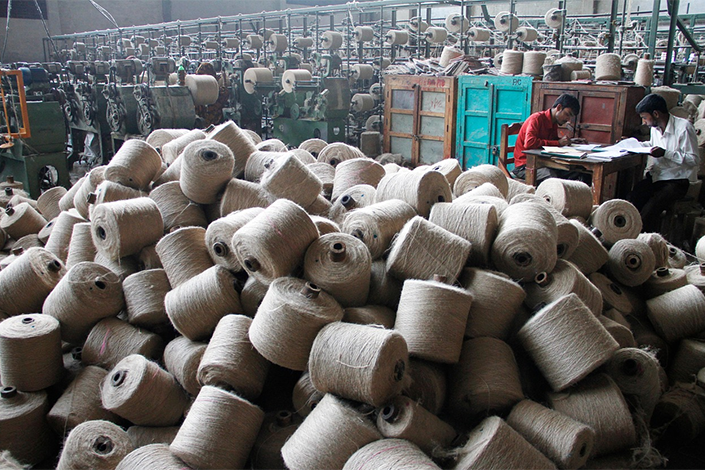
Manufacturing, which constitutes nearly 78 percent of the IIP, expanded by only 1.8 percent in October, far below the 5.6 percent growth recorded in September. Image Source: PixaBay
The last time industrial growth was lower was in August 2024, when the Index of Industrial Production (IIP) had remained flat.
India’s industrial production slowed sharply in October, rising by only 0.4 percent, the weakest pace in 14 months. This marked a steep decline from the upwardly revised 4.6 percent growth in September. According to the National Statistics Office (NSO), the slowdown was driven largely by fewer working days in the month and a significant drop in electricity generation.
The last time industrial growth was lower was in August 2024, when the Index of Industrial Production (IIP) had remained flat. In October 2024, output had grown by 3.7 percent. Over the first seven months of the current financial year, from April to October, industrial production grew by an average of 2.7 percent, compared with 4 percent during the same period a year earlier, reflecting a broader weakening in industrial momentum.
The sectoral data underscored widespread softness across key components of the index. Manufacturing, which constitutes nearly 78 percent of the IIP, expanded by only 1.8 percent in October, far below the 5.6 percent growth recorded in September. Mining output contracted for the second consecutive month, declining by 1.8 percent, while electricity generation fell by 6.9 percent.
The NSO attributed the fall in power output to an extended monsoon and milder temperatures across many states and Union Territories, which curbed electricity demand and affected supply conditions. Out of the 23 industry groups tracked, 14 reported year-on-year contractions, including major consumer and export-oriented sectors such as food products, apparel, textiles, leather, and pharmaceuticals. Only nine industry groups registered positive growth, led by basic metals at 6.6 percent, coke and refined petroleum products at 6.2 percent, and motor vehicles, trailers, and semi-trailers at 5.8 percent.

Source: Ministry of Statistics and Programme Implementation
Trends across use-based categories also reflected broad-based weakness. All six segments showed deterioration in year-on-year performance compared with September. Consumer durables, which had grown at a 10-month high of 10.2 percent in September, contracted by 0.5 percent in October, indicating a slowdown in festive-season demand or adjustments in inventories. Primary goods output fell by 0.6 percent in line with weak mining and electricity performance.
Intermediate goods and capital goods grew by 0.9 percent and 2.4 percent respectively, but both saw a marked slowdown from their September expansion rates of 6.3 percent and 5.4 percent. Infrastructure and construction goods grew by 7.1 percent, ending a three-month streak of double-digit growth. Consumer non-durables continued to struggle, contracting by 4.4 percent, with the pace of decline accelerating, suggesting sustained weakness in demand for everyday fast-moving consumer goods.
Dipti Deshpande, principal economist at S&P Global owned Indian research and credit rating company Crisil, said “sturdy consumption demand” will partially offset the negative impact of weaker export demand between October and December, benefitting the manufacturing sector.
Rajani Sinha, chief economist at CareEdge Ratings, said the rise in infrastructure and construction goods was largely driven by strong capital spending by both the central and state governments. She noted that an assessment of order books from a sample of capital goods firms indicates a supportive outlook for future investment activity, although she cautioned that global uncertainties will continue to pose challenges.
Aditi Nayar, chief economist at Icra, pointed out that US-imposed tariffs and penalties likely dampened output in certain manufacturing categories. She added that, because of base effects and changes in the timing of festivals between 2025 and 2024, a clearer picture of industrial momentum would emerge only after data for both October and November can be considered together.
Aditi Gupta, economist at Bank of Baroda, said that domestic economic activity has been boosted by festive-season demand and cuts in goods and services tax (GST) rates. She expects this positive momentum to carry forward in the coming months but warned that US tariffs continue to cloud the outlook. She emphasized that concluding the US–India trade agreement will be important for a stronger and more sustained recovery in India’s manufacturing sector.