Thursday, 17 Sep, 2026

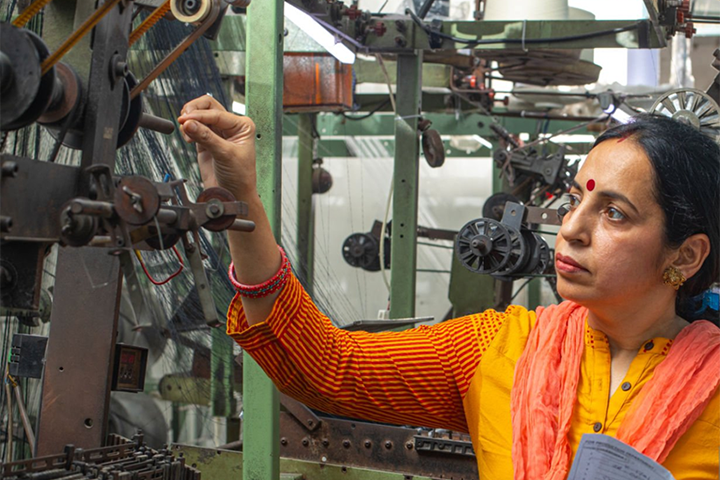
Photo courtesy: Pixabay
Growth for the current fiscal was revised up to 7.6% after a GDP series reset, reflecting a new 2022–23 base year and better measurement of fast-growing sectors
India’s new national accounts series, rebased to 2022-23, does more than change statistical tables. It reshapes how the size, structure and strength of the economy are understood. The revised data lifts estimated real GDP growth for FY26 to 7.6 per cent, potentially the fastest pace in three years. At the same time, it reduces the nominal GDP base that underpins the Union Budget. Together, these changes carry important signals for growth, fiscal policy and monetary decisions.
Under the earlier 2011-12 series, first advance estimates had placed FY26 real growth at 7.4 per cent, with the second quarter at 8.2 per cent. The updated numbers suggest firmer momentum, including a robust 7.8 per cent expansion in the third quarter. To reach 7.6 per cent for the full year, the economy would need to grow by at least 7.3 per cent in the January–March quarter. Chief Economic Adviser V. Anantha Nageswaran has expressed confidence that current momentum is sufficient to meet that mark.
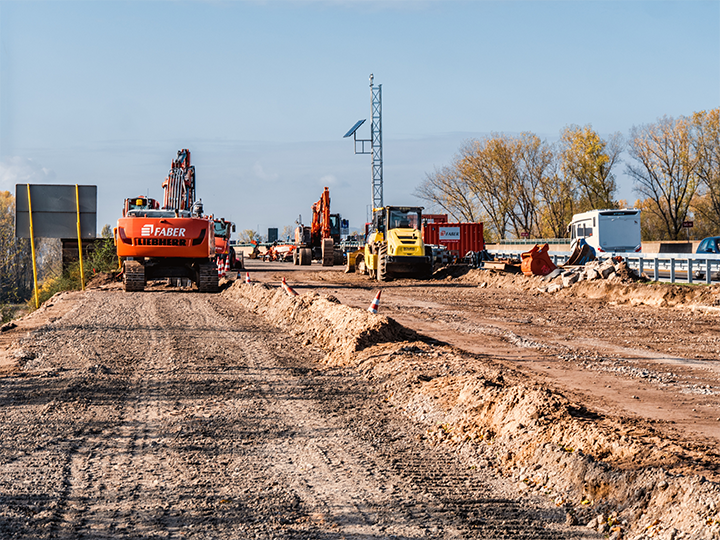
The revisions are not merely cosmetic. The new series incorporates additional segments and administrative datasets such as GST transactions, and adopts methodological changes including double deflation in manufacturing. By adjusting output and input prices separately, double deflation produces a clearer estimate of real value added. The impact is visible in manufacturing, which has now posted double-digit growth for five consecutive quarters. In the earlier series, the sector’s average growth over the previous four quarters was 6.3 per cent.
This suggests that industrial momentum through the year was stronger than previously captured. Strong IIP readings had hinted at this, but the revised GDP data indicates that manufacturing has been performing better than earlier estimates suggested.

The structure of the economy also shifts under the new framework. Agriculture and allied activities now account for an average 17.4 per cent of GDP for FY23–FY26, compared with 16.1 per cent earlier. Manufacturing’s share edges up from 12.9 per cent to 13.3 per cent. Services, while still dominant, see their share dip from 50 per cent to 48 per cent. The change does not imply a shrinking services sector; rather, it reflects a recalibration that gives greater weight to agriculture and industry.
In the third quarter, services growth stood at 9.5 per cent. Trade, hotels, transport, communication and broadcasting, along with financial, real estate and professional services, recorded sequential improvement and double-digit expansion. Construction and public administration slowed, mirroring a sharp contraction in government capital expenditure and subdued revenue spending. Agriculture growth moderated to 1.4 per cent despite a favourable monsoon.
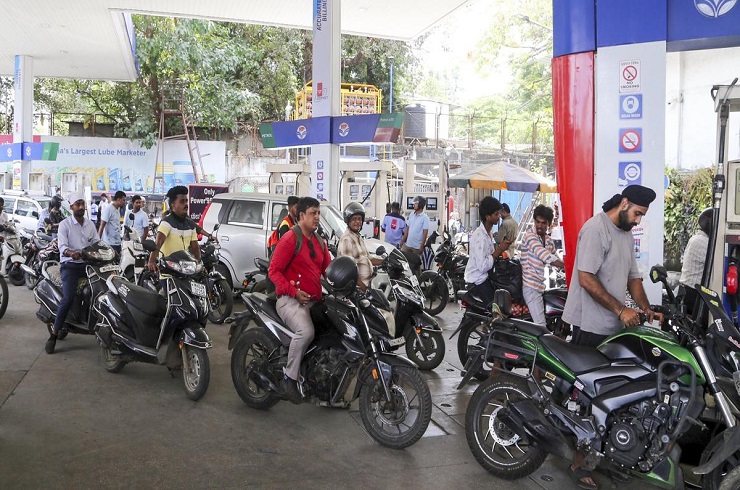
On the demand side, private final consumption expenditure remained the principal driver, accelerating to 8.7 per cent in Q3. Government consumption grew 4.7 per cent, losing pace. Gross fixed capital formation eased to 7.8 per cent but remained resilient even as the Centre’s capital spending contracted. Export growth, covering goods and services, slowed sharply to 5.6 per cent, weighed down by punitive tariffs from Washington and the fading effect of earlier front-loaded US imports.

The more delicate implication lies in the nominal numbers. The FY27 Budget had assumed FY26 nominal GDP at Rs 357.13 lakh crore. The revised series lowers that figure to Rs 345.47 lakh crore. Although nominal growth is now projected at 8.6 per cent, up from 8 per cent earlier, the smaller base nudges fiscal ratios upward. The fiscal deficit for FY26 is now pegged at 4.5 per cent of GDP, compared with the 4.4 per cent earlier estimated in the Budget. Bank of America has observed that the downward revision could modestly raise deficit and debt ratios. The Chief Economic Adviser, however, maintains that fiscal consolidation remains on course and that the broader trajectory is intact.
For the Reserve Bank of India, the stronger real growth print, alongside moderating inflation, offers both comfort and caution. Analysts expect the central bank to hold rates steady while ensuring adequate liquidity to sustain credit flow.
In essence, the new series presents an economy with firmer real underpinnings, particularly in manufacturing, and a somewhat rebalanced sectoral profile. Yet it also tightens fiscal optics. The numbers may have changed, but the policy challenge remains the same: sustaining domestic momentum while navigating a fragile global environment.