Friday, 23 Oct, 2026

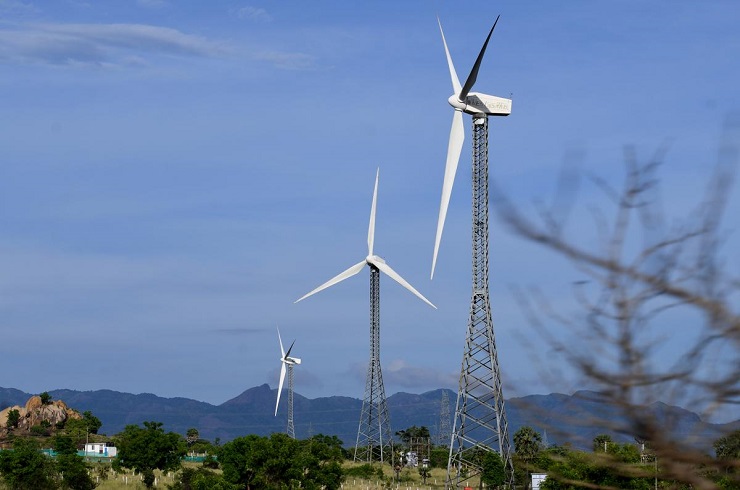
During FY 2025-26, the country added 6.05 GW of new wind power capacity, surpassing the previous record of 5.5 GW achieved in FY 2016-17. Image Source: ET World
The accelerated growth of the wind energy sector has been driven by a series of policy reforms and infrastructure initiatives undertaken by the Government to promote renewable energy development.
India's wind energy sector continued to gather momentum during FY 2025-26, reflecting the country's sustained push towards expanding renewable energy capacity and strengthening energy security. As of 30 June 2026, India's total installed wind power capacity stood at 57,443 MW, reaffirming its position among the world's leading wind energy markets. Wind power also made a significant contribution to the country's electricity mix, generating approximately 106 billion units (BU) of electricity during FY 2025-26. Notably, power generation from wind projects has recorded consistent growth over the past three financial years, highlighting improvements in both installed capacity and operational efficiency.
The year also marked a major milestone for the sector as India recorded its highest-ever annual wind capacity addition. During FY 2025-26, the country added 6.05 GW of new wind power capacity, surpassing the previous record of 5.5 GW achieved in FY 2016-17. The latest addition represents an impressive increase of nearly 46 per cent compared with FY 2024-25, signalling a strong revival in the pace of onshore wind deployment after several years of relatively moderate growth. The achievement reflects increasing investor confidence, improved policy support and a more favourable project execution environment.

Source: Ministry of New and Renewable energy
The accelerated growth of the wind energy sector has been driven by a series of policy reforms and infrastructure initiatives undertaken by the Government to promote renewable energy development. Recognising that transmission infrastructure is critical for integrating renewable energy into the national grid, the Government has supported the construction of new transmission lines and substations under the Green Energy Corridor Scheme. In addition, a comprehensive transmission expansion plan has been prepared through 2030 to accommodate the rapid growth in renewable energy capacity and facilitate seamless power evacuation from renewable-rich regions.
To encourage greater investment in the sector, the Government has introduced several financial and regulatory incentives. Foreign Direct Investment (FDI) of up to 100 per cent is permitted under the automatic route, making the sector more attractive for global investors. The waiver of Inter-State Transmission System (ISTS) charges for eligible solar and wind power projects has further improved project viability by lowering transmission costs for developers selling power across state boundaries. For projects commissioned after the stipulated timelines, a graded ISTS charge framework has been introduced to ensure a balanced transition.

Source: Ministry of New and Renewable energy
Demand for renewable energy has also been strengthened through regulatory measures. The Government has notified the Renewable Purchase Obligation (RPO) and the subsequent Renewable Consumption Obligation (RCO) trajectory up to 2029-30. Under the Energy Conservation Act, 2001, designated consumers are required to meet prescribed renewable energy consumption targets, with penalties applicable for non-compliance. The RCO framework also promotes decentralised renewable energy by mandating a specified share of electricity consumption from distributed renewable energy sources.
Project development has been further streamlined through the issuance of revised Standard Bidding Guidelines for tariff-based competitive procurement of grid-connected solar, wind, wind-solar hybrid and Firm & Dispatchable Renewable Energy (FDRE) projects. These guidelines seek to improve transparency, encourage competition and facilitate efficient procurement of renewable power by distribution companies.
Recognising the vast untapped potential of offshore wind, the Government has also launched a Viability Gap Funding (VGF) Scheme to support offshore wind energy projects. Complementing this initiative, the Offshore Wind Energy Lease Rules, 2023 establish a regulatory framework governing the leasing of offshore areas for wind energy development, thereby creating greater certainty for developers and investors.
The policy ecosystem has also focused on improving the performance and longevity of existing wind assets. The National Repowering and Life Extension Policy for Wind Power Projects, 2023 encourages the replacement of ageing turbines with modern, higher-capacity machines capable of generating significantly greater output from the same sites. Additionally, revised guidelines issued in June 2025 for the installation of prototype wind turbine models are expected to accelerate technological innovation while ensuring safety and performance standards. The Approved List of Models and Manufacturers (ALMM) mechanism for wind turbines and components further strengthens quality assurance by promoting the use of certified equipment.
Consumer participation in renewable energy has been encouraged through the Electricity (Rights of Consumers) Rules, 2020, which provide for net metering facilities for installations up to 500 kW or the sanctioned electrical load, whichever is lower. This has enabled commercial establishments, industries and institutions to generate renewable electricity and feed surplus power back into the grid.
The Government has also introduced broader market reforms to strengthen renewable energy adoption. The Electricity (Promoting Renewable Energy Through Green Energy Open Access) Rules, 2022 allow consumers with a contract demand of 100 kW or more to procure green power through open access, making renewable energy more accessible to commercial and industrial consumers. Meanwhile, the launch of the Green Term Ahead Market (GTAM) has created a dedicated marketplace for trading renewable electricity through power exchanges, improving price discovery and enhancing market liquidity.
To improve the financial health of the renewable energy ecosystem, the Government has mandated that power procurement by distribution companies should be backed by Letters of Credit (LC) or advance payments. This measure seeks to ensure timely payments to renewable energy generators and reduce payment delays that have historically affected project developers. Additionally, the Electricity (Late Payment Surcharge and Related Matters) Rules have strengthened payment discipline across the power sector.
Collectively, these policy measures, infrastructure investments and market reforms have created a supportive ecosystem for the sustained growth of India's wind energy sector. With record capacity additions, rising electricity generation, stronger transmission infrastructure and a stable policy framework, wind energy is expected to play an increasingly important role in helping India achieve its clean energy ambitions, enhance energy security and progress towards its long-term net-zero commitments.