Sunday, 11 Oct, 2026

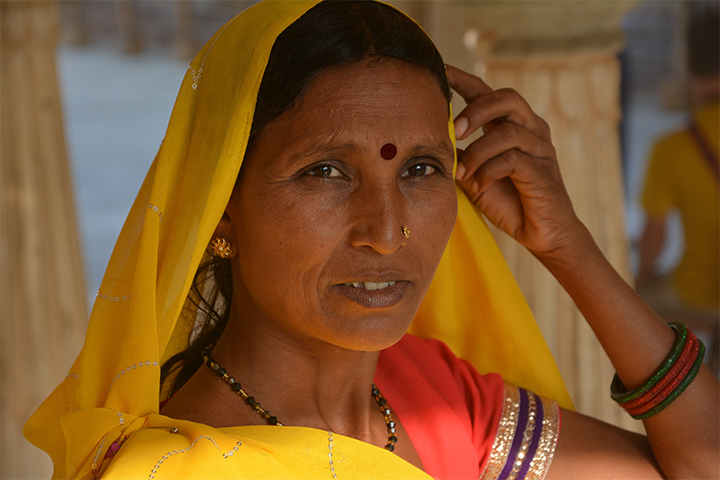
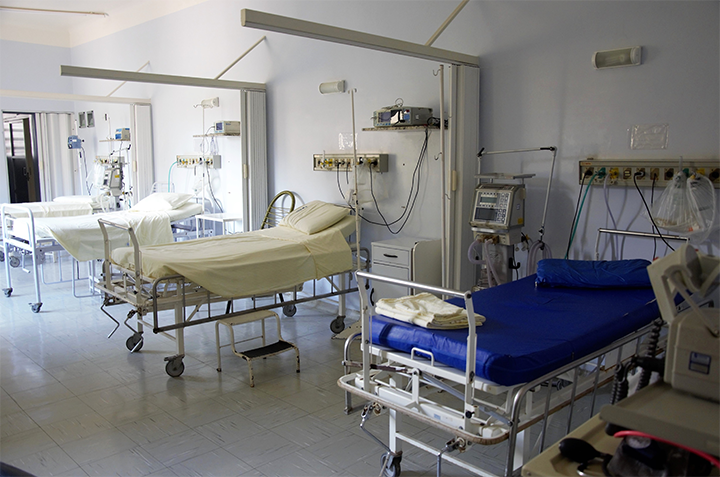
Photo courtesy: Pixabay
Women are playing a bigger role in the workforce and household incomes. Poor health reduces productivity, limits employment and raises healthcare costs
Life expectancy is one of the most widely used measures of a country’s development. By that yardstick, India has made remarkable progress. Better healthcare, wider immunisation, improved sanitation and rising living standards have steadily increased the number of years Indians can expect to live.
But longevity tells only part of the story.
The latest estimates from the World Health Organization (WHO) suggest India is entering a more complex phase of public health. Women continue to outlive men, yet they also spend substantially more years living with illness or disability. The figures point to a shift in the country's health challenge—from preventing premature death to improving the quality of longer lives.
According to WHO’s 2021 estimates, women in India have a life expectancy at birth of 69 years, compared with 65.8 years for men. On the surface, that appears to represent a clear health advantage.
The picture changes once healthy life expectancy is considered.

Women are expected to remain in good health for only 58.3 years, only marginally higher than the 58 healthy years expected for men. In other words, women spend about 10.7 years of their lives in poor health, nearly three years longer than men, who spend around 7.8 years living with illness or disability.
Expressed differently, women spend 15.5 per cent of their lives in poor health, compared with 11.9 per cent for men.
That gap matters because it changes how India’s healthcare success should be judged. The country has become better at helping people survive. It has been less successful at ensuring they remain healthy as they age.
This distinction is becoming increasingly important as India’s demographic profile changes. Fertility rates have fallen below replacement level and life expectancy continues to rise, meaning the share of older people in the population will steadily increase over the coming decades. Longer lives without healthier ageing imply higher healthcare costs, lower labour productivity and growing pressure on families that provide informal care.
One reason behind the difference lies in anaemia, one of India's most persistent public health problems.
According to the National Family Health Survey (NFHS), 57 per cent of Indian women aged between 15 and 49 are anaemic, compared with 25.1 per cent of men.
Anaemia is often treated as a nutritional issue, but its economic consequences are much wider. It contributes to fatigue, lower immunity, poorer maternal health and reduced physical capacity. Over time, these effects accumulate, affecting education, workforce participation and productivity before eventually contributing to poorer health in old age.

The figures suggest that the disadvantages women experience earlier in life continue well beyond their reproductive years.
This is also a reminder that economic development alone does not automatically translate into healthier lives. India has expanded access to healthcare, improved institutional deliveries and reduced mortality from infectious diseases. Yet nutrition, preventive healthcare and early detection of chronic illnesses continue to lag, particularly for women.
The policy implications are significant.
For decades, public health success was measured by reducing infant mortality, controlling infectious diseases and extending life expectancy. Those objectives remain important, but India’s next health challenge is different. It must improve healthy life expectancy—the number of years people can live without serious illness or disability.
That requires greater investment in preventive healthcare rather than treatment alone. Tackling anaemia, improving maternal nutrition, strengthening primary healthcare and promoting regular health screening could deliver benefits that extend well beyond individual well-being.
The issue is also economic.
Women increasingly contribute to India's workforce and household incomes. Poor health reduces labour productivity, limits employment opportunities and raises healthcare expenditure for families. As India's working-age population begins to plateau over the coming decades, improving the health of existing workers becomes as important as expanding employment.
Longer healthy lives also reduce the burden on caregivers and public health systems.
The WHO figures therefore offer a broader message than simply comparing male and female life expectancy. They suggest India has entered the next stage of its health transition. The challenge is no longer just adding years to life but ensuring those additional years are lived in good health.
That is a far more difficult objective.
Increasing life expectancy often depends on medical advances, vaccination and disease control. Improving healthy life expectancy requires sustained improvements in nutrition, preventive medicine, lifestyle, environmental health and access to quality healthcare throughout a person's lifetime.
India has demonstrated that it can increase longevity. The next measure of success will be whether it can narrow the growing gap between living longer and living healthier.
For policymakers, that may become one of the defining health challenges of the next decade.