Monday, 19 Oct, 2026

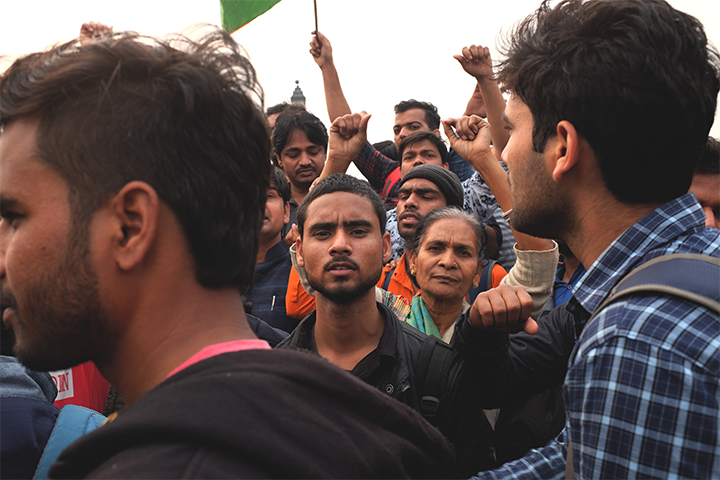
Photo courtesy: PixaBay
New Delhi’s high number of demonstrations reflects a diverse and vocal democracy. The key measure is how effectively institutions address public concerns, maintain order and turn competing demands into constructive outcomes
India has accounted for the largest share of demonstrations worldwide for five consecutive years, underlining the scale of public mobilisation in one of the world’s largest and most diverse democracies. The country recorded 18,074 demonstrations through September 2026, representing 17.5 per cent of the global total, the Business Standard reported, citing the Armed Conflict Location & Event Data Project (ACLED) data, a US-based non-profit that tracks political violence and demonstrations.
India’s share has risen in recent years, while that of the United States has declined. The figures offer a measure of the scale of public gatherings, but not a verdict on political stability. ACLED counts gatherings where people express views, grievances or demands, including violent protests but excluding mob violence. The category therefore covers a wide range of activity, from peaceful rallies to confrontations.
The official records provide a longer historical perspective. The Bureau of Police Research and Development (BPR&D), under the Union home ministry, recorded 73,341 agitations in 2011, amid widespread anti-corruption protests. The number climbed to 115,837 in 2016, the highest in the available series dating back to at least 2004.

The 2016 figures reflected diverse concerns. Demonstrations followed the suicide of University of Hyderabad scholar Rohith Vemula; protests erupted in Gujarat after Dalits were flogged; and the Jawaharlal Nehru University sedition row drew public attention. These episodes illustrate how a national total can encompass very different social, political and institutional grievances.
The official series, however, has since developed a significant gap. The BPR&D stopped publishing agitations data in its Data on Police Organisations reports from 2018. Responses to Right to Information requests and a first appeal, reviewed by the business publication, show that the agency was asked six questions about data from 2017 onwards and the reasons for discontinuing publication. The RTI response recorded “NIL”, while the first appellate authority said the BPR&D had no information available on the matters sought.
This leaves researchers without a comparable public record for subsequent years. International datasets help fill part of the gap, but differences in definitions and coverage make it difficult to build a continuous picture of how public mobilisation in India has evolved.
The government has also turned its attention to managing large gatherings. Following the Gen Z protests in Nepal, reports said the Centre had directed the BPR&D to study demonstrations in India since Independence and prepare a national standard operating procedure to anticipate and manage mass agitations.

A common framework could improve coordination among authorities and help them prepare for large gatherings while maintaining public order. But effective planning also requires reliable evidence: consistent records can reveal changing patterns, help identify where administrative capacity may be needed and inform decisions before tensions escalate.
India’s place at the top of the global tally is striking, but the count alone cannot explain why people assemble or what their actions signify. The more useful task is to understand the range of concerns behind public mobilisation and how institutions respond to them.
For a democracy of India’s scale, better data and effective public administration should go together. A continuous official record would give researchers and policymakers a firmer basis for understanding public gatherings—and help ensure that the response is informed by evidence rather than assumptions.