Saturday, 26 Sep, 2026

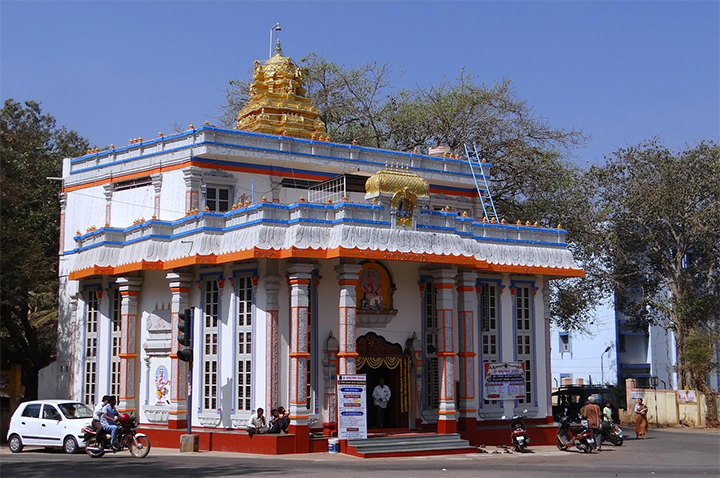
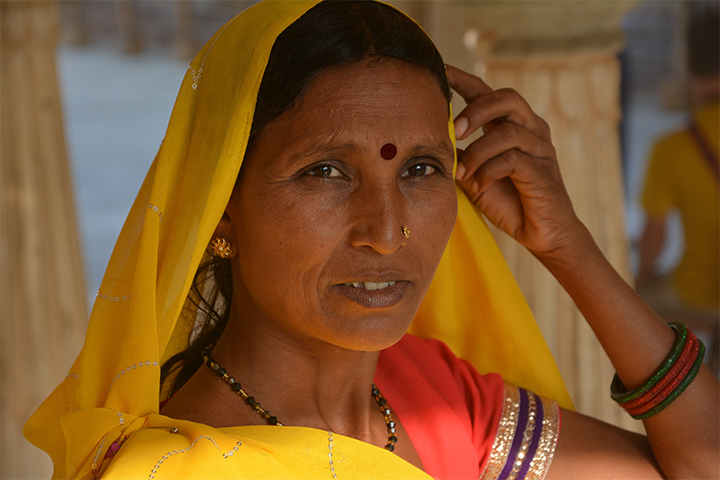
Photo courtesy: Pixabay
Urban travel is increasingly for leisure, while rural travel is often driven by necessity, exposing stark gaps in access to essential services
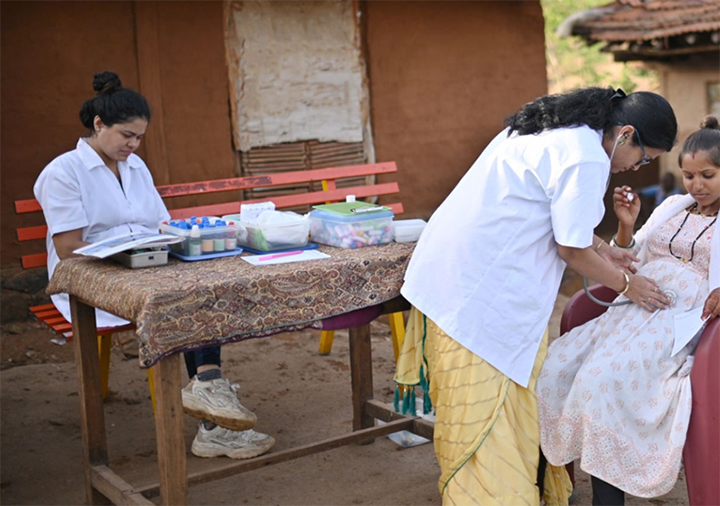
The numbers point to a tourism market shaped by very different realities. For many rural households, an overnight journey is not a holiday at all. It is a trip to a hospital or clinic.
The cost reflects that burden. Medical travel was the most expensive of the major purposes covered by the survey. The average expenditure was Rs29,454 for rural households and Rs 41,649 for urban households, including package and non-package components.
Rural families spent 75 per cent of their medical-trip expenditure on treatment and medicines. Government reimbursements covered only 8.2 per cent. That leaves households carrying much of the cost of seeking care, even before the indirect costs of travel and lost working time are counted.
The findings come from the Domestic Tourism Expenditure Survey released by the Ministry of Statistics and Programme Implementation (MoSPI). The National Statistical Office (NSO) conducted the survey between July 2025 and June 2026 as part of the NSS 80th round. It covered 2,46,113 households across 24,778 first-stage sampling units.

The survey also shows that Indians are generally not spending long periods away from home. The average trip size was 2.03 overnight visitors, while about 80 per cent of visitors stayed for five days or less. Domestic tourism is therefore dominated by relatively short journeys.
Where Indians travel is also concentrated in a handful of states. Uttar Pradesh accounted for 15.7 per cent of visitor-trips when journeys within and outside visitors’ home states were combined. Tamil Nadu followed with 13.4 per cent and Rajasthan with 8 per cent.
Transport choices underline another rural-urban difference. Buses accounted for 32 per cent of visitor-trips among rural households, making them the most-used mode. In urban India, trains led with a 35 per cent share.
Accommodation patterns tell a similar story. Hotels and guesthouses accounted for 36 per cent of urban overnight visitor-trips. In rural areas, non-commercial accommodation had the largest share at 28 per cent. This includes second homes, temporary accommodation provided by employers and free stays offered by religious or missionary organisations.
There is another twist in the data when the window is narrowed to the previous 30 days. Social visits dominated overnight travel, accounting for 89 per cent of trips. Business travel, however, was the most expensive, with average spending of Rs 5,179 for rural households and Rs 6,934 for urban households.

Same-day travel had its own pattern. Social visits and shopping were the most common purposes. But shopping accounted for the largest share of spending — 51 per cent of same-day trip expenditure in rural areas and 41 per cent in urban areas.
The survey makes clear that India’s domestic travel market cannot be read simply through the lens of tourism. Pilgrimage is the biggest common thread, but the reasons for travel reveal a much wider economic divide.
Urban Indians are travelling increasingly for recreation. Rural Indians are far more likely to travel because they have to—particularly when healthcare lies beyond the reach of their immediate surroundings.
That makes the tourism numbers an unlikely window into a larger development question. The distance Indians travel is often determined not by where they want to go, but by what they cannot access where they live.