Friday, 16 Oct, 2026

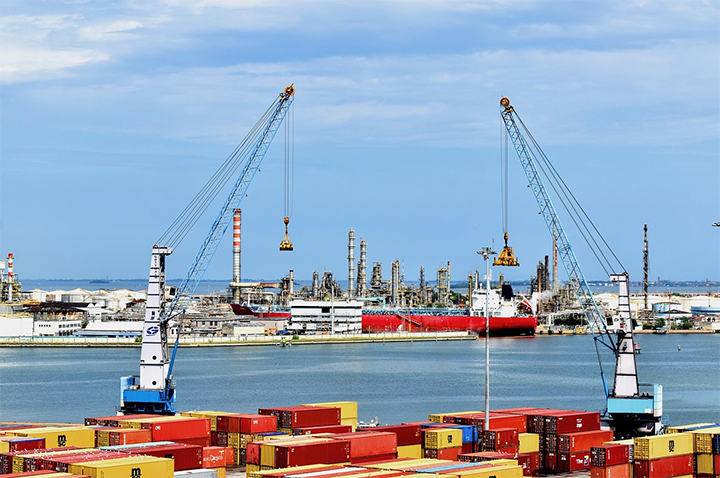
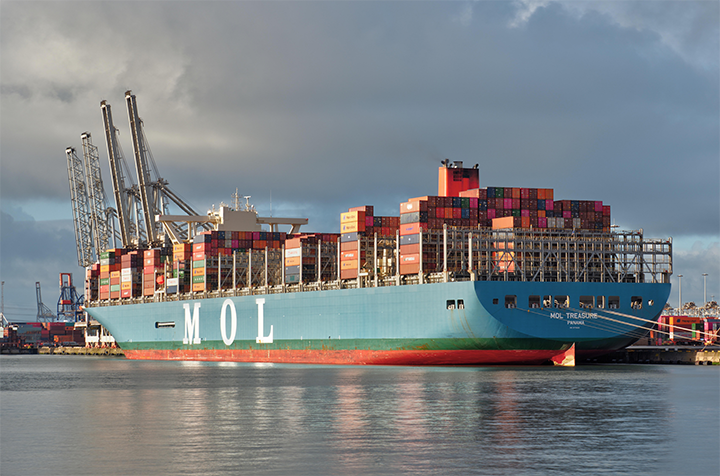
Photo courtesy: Pixabay
New Delhi’s exports to the GCC are relatively diversified, led by engineering goods, rice, textiles, machinery, and gems and jewellery. Imports, by contrast, are dominated by crude oil, LNG, petrochemicals and precious metals such as gold
For India, a free trade agreement with the Gulf Cooperation Council (GCC) offers both opportunity and risk. It could help rebalance trade through wider market access for goods and services, secure energy supplies and draw investment into manufacturing and infrastructure. But the real gains will depend on the depth of commitments and whether the pact delivers tangible access rather than resting on headline diplomacy.
The signing of the terms of reference for a proposed FTA between India and the GCC clears a long-standing diplomatic and commercial logjam. More than three years after both sides announced their intention to revive talks—and over two decades after first exploring the idea—they have finally agreed on the scope and framework that will guide negotiations. While this does not guarantee a swift agreement, it signals renewed seriousness at a time when global trade alignments are being reshaped.
The GCC, a six-nation bloc comprising Bahrain, Kuwait, Oman, Qatar, Saudi Arabia and the United Arab Emirates, occupies a pivotal place in India’s external economic strategy. The region is central to India’s energy security, a major destination for exports and a growing source of investment. A comprehensive FTA, if concluded, would lock these ties into a more predictable and rules-based framework.
The road to this point has been protracted. India and the GCC signed a framework agreement on economic cooperation more than 21 years ago to examine the feasibility of an FTA. Two rounds of negotiations followed in 2006 and 2008, after which the GCC deferred talks with all countries and economic blocs as it reassessed its trade strategy. When negotiations were formally set to be relaunched in November 2022, disagreements over the terms of reference delayed their start until now.
The timing of this breakthrough is notable. India has stepped up its engagement with the global trade architecture, signing preferential trade agreements with the UAE and Oman while pursuing deals with developed economies. Against this backdrop, an FTA with the GCC would consolidate India’s economic position in West Asia and complement existing bilateral arrangements, potentially harmonising trade rules across a region that accounts for a sizeable share of India’s external commerce.

The economic stakes are substantial. India–GCC bilateral trade stood at $178.56 billion in FY25, accounting for over 15 per cent of India’s global trade. Exports were valued at $56.87 billion, while imports reached $121.66 billion, resulting in a large trade deficit driven primarily by energy purchases. Crude oil imports from GCC countries alone were worth about $40.18 billion in FY25, accounting for roughly one-third of India’s total inbound shipments from the region.
India’s export basket to the GCC is relatively diversified, led by engineering goods, rice, textiles, machinery, and gems and jewellery. Imports, in contrast, are heavily concentrated in crude oil, liquefied natural gas, petrochemicals and precious metals such as gold. A well-crafted FTA could help India secure better access for goods and services while addressing non-tariff barriers that often constrain exports despite strong demand.
Beyond trade, the GCC’s significance lies in investment and strategic stability. The region is a major source of foreign direct investment, with cumulative inflows exceeding $31.14 billion as of September 2025. A region-wide FTA could improve investor confidence by offering clearer rules on market access, services trade and investment protection, while strengthening supply chains in food, energy and logistics.
There is also a broader geopolitical layer. As global trade fragments and protectionist pressures intensify, India’s push to anchor key economic relationships in long-term agreements reflects a search for stability and diversification. For the GCC, deeper engagement with a large and fast-growing economy like India offers a hedge against volatility in traditional markets.
The challenges, however, remain significant. Differences within the GCC, sensitivities around energy trade and India’s cautious stance on tariff liberalisation will test negotiators. The UAE and Saudi Arabia account for most of India’s trade with the bloc, raising questions about how evenly the benefits of an agreement would be distributed.
The signing of the terms of reference is therefore best seen as a necessary starting point rather than a breakthrough. Whether it leads to a substantive and balanced agreement will depend on how ambition is matched with political and economic compromise. For now, the signal is clear: after years of drift, India and the GCC are once again serious about placing their economic relationship on firmer ground.