Wednesday, 07 Oct, 2026


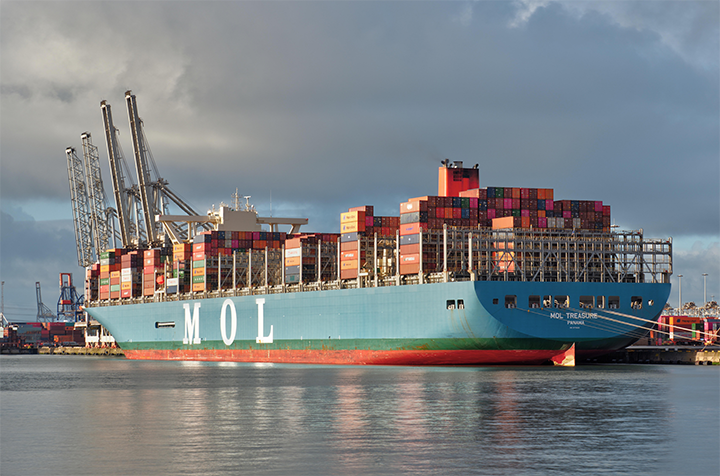
Photo courtesy: Pixabay
Oman matters more for its location than its demand. At the crossroads of West Asia, Africa and Europe, it offers exporters a logistical foothold, serving as a gateway beyond a single national market
India’s trade pact with Oman will not reshape global commerce, nor will it rescue exporters struggling under higher US tariffs. But measured by what it signals rather than what it delivers immediately, the agreement matters.
The Comprehensive Economic Partnership Agreement (CEPA), signed on December 18, grants Indian exporters duty-free access to 99% of Oman’s tariff lines. Textiles, farm goods, leather products, engineering items and pharmaceuticals stand to benefit. The government estimates exports could rise by $2 billion over the next two to three years, and by as much as $10 billion in the medium term.
Those numbers are modest. Oman is a small market, accounting for a fraction of India’s total exports. But the pact arrives at a sensitive moment. Indian exporters are grappling with a 50% tariff imposed by the U.S. on certain Indian goods, a blow that has hurt labor-intensive industries. In that context, any new market access helps—even more so when it offers stability in an increasingly unpredictable trade environment.
Oman’s value lies less in demand than in location. Sitting at the crossroads of West Asia, Africa and Europe, it offers Indian firms a logistical and commercial foothold beyond a single national market. For exporters seeking to diversify routes and reduce reliance on a few large buyers, Oman functions as a gateway rather than a destination.
The agreement also reflects a shift in India’s trade posture. After years of caution—marked by withdrawals from large trade blocs and hesitation over tariff cuts—New Delhi is moving toward selective liberalisation. Under the pact, India will lower tariffs on 78% of its tariff lines while protecting politically sensitive sectors such as dairy, tea, coffee and precious metals.

Concessions on Omani goods will come with guardrails. Imports of dates, marble blocks and petrochemicals will be subject to quotas, with higher volumes facing standard duties. In petrochemicals and other products, tariff cuts will be phased in over five to ten years. This is trade opening without sudden exposure.
Services may prove the more significant gain. Oman has eased rules in 127 service sub-sectors, including information technology, professional services, education and healthcare. Indian companies will be allowed to staff up to 50% of their workforce from India, lowering costs and easing operations.
The pact also targets a quieter but persistent problem: non-tariff barriers. It promises faster approvals for pharmaceuticals, acceptance of global regulatory certifications, mutual recognition of halal standards and recognition of India’s organic certification regime. These steps remove frictions that often matter more to exporters than headline tariff rates.

There are smaller but telling provisions as well. The agreement includes commitments on traditional medicine, opening potential overseas markets for India’s AYUSH and wellness industries. It also allows 100% foreign investment by Indian firms in key service sectors, strengthening commercial ties beyond trade in goods.
None of this guarantees success. Trade agreements create opportunities; they do not ensure outcomes. Exporters must still compete on price and quality, and India’s infrastructure and logistics constraints remain. Oman’s domestic market is limited, and gains will come gradually, not in a surge.
Yet the broader context gives the deal weight. Global trade is fragmenting, tariffs are rising, and political risk is back in the foreground. Large, comprehensive trade deals have become harder to negotiate. Smaller, targeted agreements—especially with strategically located partners—are a practical way to expand options.
What matters now is execution. Preferences must be used, standards recognized in practice, and logistical links strengthened. India will also need to treat Oman as a platform for wider regional engagement, particularly with Africa and Europe, if the pact is to punch above its weight.
The India-Oman CEPA will not change India’s export trajectory overnight. But it marks a shift toward pragmatic engagement at a time when certainty in trade is increasingly scarce. That alone makes it worth watching.