Friday, 16 Oct, 2026


Photo courtesy: Pixabay (Representational image)
Household debt has risen to a decade high, fuelled by housing, vehicle and gold loans. But the build-up has been accompanied by stronger borrower quality, reducing concerns over rising retail leverage
India’s household debt has climbed to its highest level in more than a decade, but the composition of borrowing offers a reassuring signal for lenders. Housing loans continue to account for nearly half of all outstanding personal loans, while banks are increasingly lending to borrowers with stronger credit profiles, reducing concerns over asset quality even as retail leverage rises.
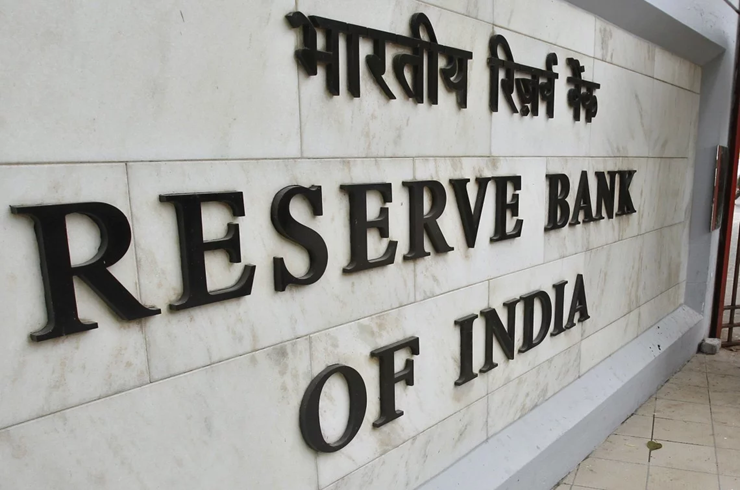
The Reserve Bank of India’s latest Financial Stability Report flagged household debt as a key area to watch, warning that geopolitical tensions in West Asia and potential economic shocks could weaken borrowers' repayment capacity. Yet the data up to the third quarter of FY26 paint a more nuanced picture. Household debt rose to 47.8 per cent of GDP, driven largely by housing, vehicle and gold loans rather than unsecured consumption credit.
Housing remains the anchor of retail credit market. Although its share in outstanding personal loans slipped to 48.4 per cent in FY26 from 50.4 per cent a year earlier, it still accounts for nearly one out of every two rupees lent under the RBI’s expanded personal loan category. Housing loans have consistently represented around half of retail lending over the past seven years, underscoring their central role in household borrowing.

Vehicle loans remained broadly stable, accounting for 10.6 per cent of outstanding personal loans, while education loans held steady at about 2.3 per cent. The biggest shift came from loans against gold jewellery, whose share almost doubled to 6.7 per cent in FY26 from 3.5 per cent a year earlier, reflecting households' growing reliance on gold-backed borrowing amid elevated gold prices and easier access to such credit.
By contrast, discretionary borrowing has moderated. Consumer durable loans have steadily declined to just 0.3 per cent of outstanding personal loans, while credit card loans fell to 4.2 per cent from 4.8 per cent a year ago. This suggests that much of the expansion in household debt has been driven by asset-backed borrowing rather than unsecured consumption finance.
Just as important is the changing quality of borrowers. Data from TransUnion CIBIL show that banks and non-bank lenders are increasingly favouring customers with stronger credit histories. The share of borrowers classified as “prime and above”—those with CIBIL scores of 731 or higher—rose to 72 per cent in FY26 from 60.6 per cent in FY20. Over the same period, the share of sub-prime borrowers declined sharply to just 9.1 per cent from 16.1 per cent.
The shift reflects lenders’ increasingly cautious approach following tighter RBI norms on unsecured lending and rising regulatory scrutiny over retail credit growth. Banks have focused on lower-risk customers, particularly for large-ticket loans such as housing finance, helping preserve asset quality despite rapid expansion in retail lending.

This improving credit mix partly explains why retail loan delinquencies have remained contained despite household leverage reaching record levels. Borrowers with stronger repayment histories are generally better positioned to withstand temporary economic shocks, reducing systemic risks for lenders.
Even so, the RBI remains cautious. Rising household debt leaves consumers more exposed to higher interest rates, inflation or income disruptions. A prolonged rise in crude oil prices or an escalation of geopolitical tensions could squeeze household finances, particularly for borrowers already carrying multiple loans.
The broader trend reflects the transformation of India’s credit market. Household borrowing is becoming larger, more formal and increasingly backed by tangible assets such as homes, vehicles and gold rather than unsecured spending. That makes the rise in debt less alarming than the headline numbers suggest.
For policymakers, however, the challenge is clear. As household leverage approaches new highs, sustaining credit quality will depend on continued income growth, stable employment and prudent lending standards. The rise in debt may be manageable today, but maintaining that balance will require both borrowers and lenders to remain disciplined as India's retail credit cycle matures.