Friday, 16 Oct, 2026

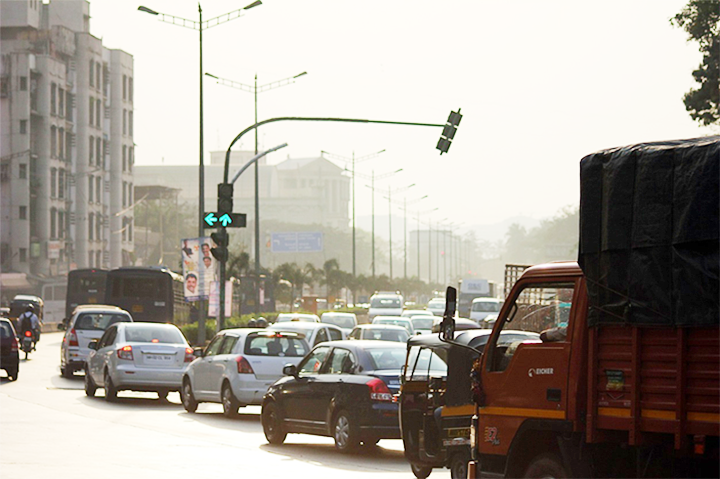
Photo courtesy: Pixabay
Record tax collections point to stronger formalisation and compliance, while robust car and EV sales show households remain willing to spend on big-ticket purchases
he record Goods and Services Tax (GST) collections and strong growth in passenger vehicle and electric vehicle (EV) sales in April point to an economy where formalisation is deepening, discretionary spending remains intact, and consumer preferences are steadily shifting toward cleaner mobility. Yet, beneath the headline strength lies a divergence: imports are driving tax growth faster than domestic consumption, raising questions about the sustainability of the momentum.
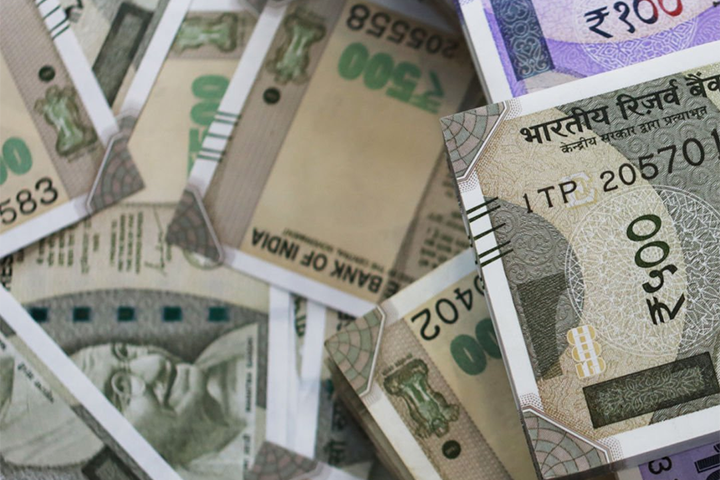
Gross GST collections in April touched an all-time high of Rs 2.43 lakh crore, up 8.7 per cent year-on-year, while net collections after refunds rose 7.3 per cent to Rs 2.11 lakh crore. The sharp rise came despite the tax cuts announced in September 2025 under GST 2.0 to support demand.
April is traditionally a strong month for GST because companies close their books and push sales at the end of March, but this year’s numbers also reflected a clear structural shift. The gap between domestic and import-linked revenue was stark.
Net domestic GST revenue grew only 0.3 per cent to Rs 1.65 lakh crore, even though gross domestic revenue stood at Rs 1.85 lakh crore, with higher refunds offsetting gains. In contrast, net GST revenue from imports surged 42.9 per cent to Rs 45,784 crore, while gross import revenue stood at Rs 57,580 crore, becoming the key driver of the overall increase.
Refunds rose 19.3 per cent to Rs 31,793 crore, led by a sharp 54.6 per cent jump in domestic refunds, while import-related refunds declined 14 per cent. This suggests faster refund processing is improving liquidity for businesses, even as domestic transaction growth remains subdued.
Tax experts see both cyclical and structural reasons behind the record collections. Year-end reconciliations and March-end adjustments typically provide a seasonal boost, but the scale of April’s numbers also points to stronger compliance, digital enforcement and a widening tax base. At the same time, import-led revenues growing faster than domestic transactions may indicate softer discretionary spending and continued dependence on imported goods and commodities.

That trend has direct implications for the automobile sector, where April sales remained strong despite geopolitical tensions in West Asia and concerns over fuel prices.
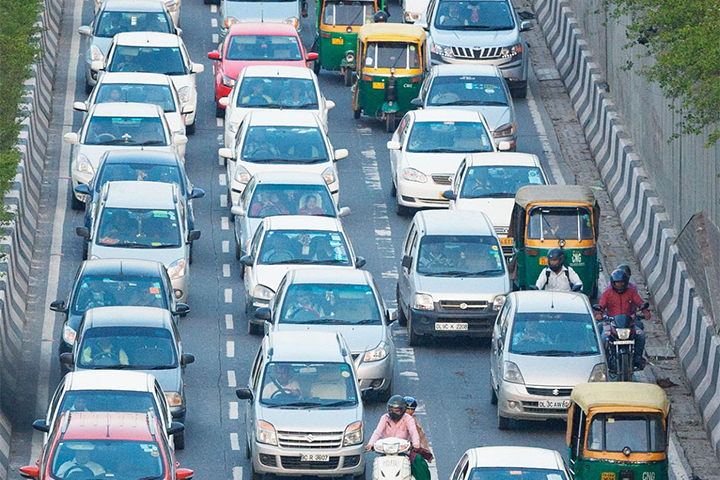
Domestic passenger vehicle (PV) wholesales rose 27 per cent year-on-year to around 4.45 lakh–4.5 lakh units in April, compared with about 3.54 lakh units a year earlier. The growth was supported by lower GST rates introduced last year, income tax relief announced in the Budget, and repo rate cuts by the Reserve Bank of India, all of which improved affordability and consumer confidence.
Maruti Suzuki India, the country’s largest carmaker, posted its highest-ever monthly domestic sales at 1,87,704 units, up 35.3 per cent year-on-year. Rural demand played a major role, with rural penetration in the company’s total sales rising to 52.3 per cent in April, up 2.4 percentage points from a year earlier.
Exports also remained robust, with Maruti’s overseas shipments rising 43.5 per cent year-on-year to 40,054 units. The company expects export growth in FY27 to remain similar to FY26 levels.
Other carmakers also reported strong April numbers. Tata Motors Passenger Vehicles saw domestic sales jump 30.5 per cent to 59,000 units from 45,199 units a year ago, reflecting a strong rebound. Mahindra & Mahindra sold 56,331 units, up 7.6 per cent, while Hyundai Motor India posted a 17 per cent rise to 51,902 units.
Toyota Kirloskar Motor recorded sales of 30,159 units, up 21.4 per cent from 24,833 units, while Kia India sold 27,286 units, a 15.5 per cent increase over last year.
The electric vehicle segment, however, is emerging as the most significant structural story.
Passenger EV sales sustained their March momentum into April with only a marginal dip. Retail sales stood at around 22,677 units in April compared with 23,097 units in March, while January-April volumes rose 69.5 per cent year-on-year to 79,063 units, according to Vahan data.

March had seen a nearly 60 per cent month-on-month jump from 14,438 units in February, driven by year-end demand, discounts and pre-buying ahead of expected price hikes. The fact that April volumes remained elevated despite fewer selling days suggests demand is stabilising at a higher base rather than fading after the financial year-end rush.
The broader pattern shows EVs are moving beyond niche adoption into mainstream consideration, driven by practicality, lower operating costs and improving customer confidence.
The convergence of strong GST collections and rising auto sales suggests India has entered FY27 with solid economic momentum. But the imbalance between import-led tax growth and weaker domestic GST expansion remains a caution signal.
If crude prices rise further due to the West Asia conflict, fuel costs could hurt entry-level car demand and squeeze household budgets. Higher imports may continue to support GST collections, but sustained economic strength will depend on stronger domestic consumption and manufacturing rather than imported inflation.
For now, India’s economy appears resilient. Record tax collections show stronger formalisation and compliance, while robust car and EV sales indicate households are still willing to spend on large-ticket purchases. The real test will be whether this momentum survives beyond the year-opening surge and translates into durable domestic demand-led growth.