Thursday, 12 Nov, 2026

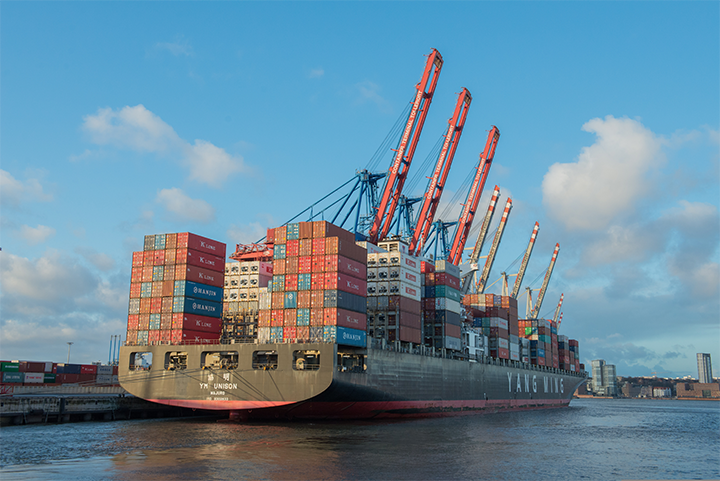
Photo courtesy: Pixabay
The New Zealand FTA opens doors; its success will depend on whether it delivers higher exports, fresh investment and productive jobs, rather than remaining a deal on paper
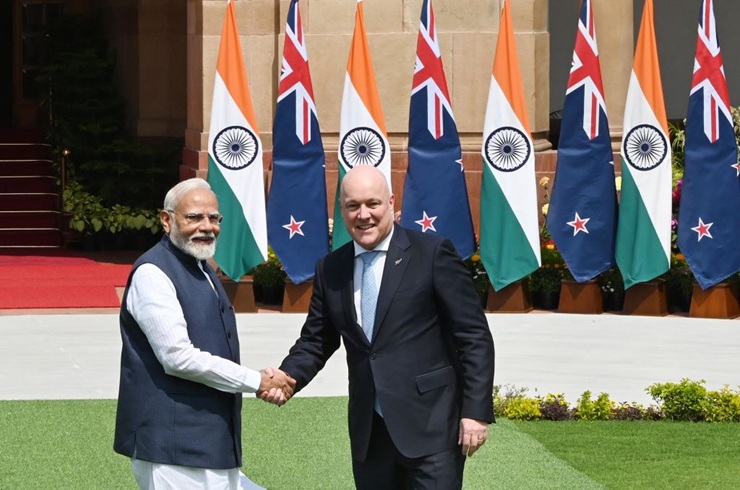
The India-New Zealand free trade agreement (FTA) comes into effect on Tuesday, giving Indian goods zero-duty access to a market where annual bilateral trade has so far been modest, at around $1.2 billion. The first consignment of an Indian-made JCB mini-excavator, manufactured in Maharashtra, has been flagged off under the agreement. It is a tangible sign of the opportunities the deal could create. But a successful launch is one thing; building a lasting export market is another.
Since signing its first FTA with Sri Lanka in 1998, India has extended its trade partnerships to eight other countries and two regional blocs—Asean, with 10 members, and the European Free Trade Association (EFTA), with four. Across these 23 partners, it recorded an aggregate trade deficit in every year.
The imbalance has deepened. In 1998, India ran a trade deficit with 11 of the 23 partners; by 2025, the number had risen to 16. The combined deficit widened from $8.2 billion to $127 billion. The UAE, Singapore and South Korea account for almost half of imports from these partners.
These figures do not establish that FTAs have failed. Imports can reduce costs and give manufacturers access to essential inputs. The concern is that exports have not consistently kept pace. The Asean agreement illustrates the problem: in 2024-25, exports to the bloc fell 5.4 per cent year on year, while imports rose 5.6 per cent. A 2016 government analysis found that the agreement was associated with a 33 per cent increase in exports and a 79 per cent rise in imports. Trade expanded, but imports grew much faster.
Tariff structures help explain the gap. India entered several early agreements with relatively high import duties, while some partners already had low tariffs. Cutting high Indian duties gave foreign suppliers a larger price advantage in the domestic market than Indian exporters gained from smaller tariff reductions abroad. The 2016 analysis identified this asymmetry as one reason imports outpaced exports.

The New Zealand agreement offers fresh opportunities, but the wider experience suggests that tariff concessions alone cannot guarantee export growth. Indian engineering goods, pharmaceuticals, marine products, textiles, chemicals, leather and footwear, gems and jewellery, and electronic goods will receive zero-duty access from day one. Tariffs on plastic articles and farm products are also to be eliminated. India, in return, has offered concessions on 70 per cent of tariff lines, covering 95 per cent of New Zealand’s export value, while keeping sensitive domestic industries outside liberalisation. The two countries aim to double bilateral trade by 2030.
The pact also covers services and mobility. It provides for 5,000 professional visas for skilled Indians, work opportunities for Indian students and extended post-study work rights. Market-access commitments span 118 services sectors and sub-sectors, including information technology, healthcare and engineering. New Zealand has also made an investment commitment of $20 billion over 15 years.
The challenge is whether Indian businesses can use these provisions. A Commerce Ministry analysis found that, for many products under earlier agreements with Asean, Japan and South Korea, utilisation of tariff preferences ranged from just 4 to 25 per cent. These were product-specific estimates, not rates for the agreements as a whole.
A September 2026 estimate by the Global Trade Research Initiative put the share of eligible Indian exports using FTA preferences at around 20-30 per cent, against 60-70 per cent for goods exported to India. These are research estimates, not official economy-wide figures, but they point to a gap: foreign suppliers appear better able to use the concessions available in the Indian market.
Closing it will require simpler paperwork and better support for smaller exporters seeking certificates of origin. It will also mean tackling domestic costs. Expensive inputs, weak logistics, high borrowing costs and complex compliance can erode tariff advantages. An inverted duty structure, in which raw materials attract higher duties than finished imports, can further penalise manufacturers. Better infrastructure, easier access to finance and higher productivity are essential if firms are to add more value at home.

Rules of origin must be enforced to prevent goods that fail to meet agreed conditions from receiving preferential treatment. But compliance should not become needlessly burdensome, nor should anti-dumping and safeguard measures shield inefficient producers from competition. The ongoing Asean review covers rules of origin, customs procedures, market access, technical standards and trade remedies. In July 2026, the Commerce Ministry said negotiations were continuing, years after India began seeking changes within five years of the agreement’s implementation.
Regular assessments of exports, imports, investment, employment, domestic value addition and preference utilisation could help identify problems sooner, rather than waiting for imbalances to widen.
The New Zealand pact offers a fresh opening, not a guarantee of success. FTAs should be judged by the exports, investment and productive jobs they generate, not simply by the markets they open or the tariff lines they cover. The first JCB shipment is a promising start. The real test is whether many more Indian businesses can follow.
The India-New Zealand free trade agreement (FTA) comes into effect on Tuesday, giving Indian goods zero-duty access to a market where annual bilateral trade has so far been modest, at around $1.2 billion. The first consignment of an Indian-made JCB mini-excavator, manufactured in Maharashtra, has been flagged off under the agreement. It is a tangible sign of the opportunities the deal could create. But a successful launch is one thing; building a lasting export market is another.
Since signing its first FTA with Sri Lanka in 1998, India has extended its trade partnerships to eight other countries and two regional blocs—Asean, with 10 members, and the European Free Trade Association (EFTA), with four. Across these 23 partners, it recorded an aggregate trade deficit in every year.
The imbalance has deepened. In 1998, India ran a trade deficit with 11 of the 23 partners; by 2025, the number had risen to 16. The combined deficit widened from $8.2 billion to $127 billion. The UAE, Singapore and South Korea account for almost half of imports from these partners.
These figures do not establish that FTAs have failed. Imports can reduce costs and give manufacturers access to essential inputs. The concern is that exports have not consistently kept pace. The Asean agreement illustrates the problem: in 2024-25, exports to the bloc fell 5.4 per cent year on year, while imports rose 5.6 per cent. A 2016 government analysis found that the agreement was associated with a 33 per cent increase in exports and a 79 per cent rise in imports. Trade expanded, but imports grew much faster.

Tariff structures help explain the gap. India entered several early agreements with relatively high import duties, while some partners already had low tariffs. Cutting high Indian duties gave foreign suppliers a larger price advantage in the domestic market than Indian exporters gained from smaller tariff reductions abroad. The 2016 analysis identified this asymmetry as one reason imports outpaced exports.
The New Zealand agreement offers fresh opportunities, but the wider experience suggests that tariff concessions alone cannot guarantee export growth. Indian engineering goods, pharmaceuticals, marine products, textiles, chemicals, leather and footwear, gems and jewellery, and electronic goods will receive zero-duty access from day one. Tariffs on plastic articles and farm products are also to be eliminated. India, in return, has offered concessions on 70 per cent of tariff lines, covering 95 per cent of New Zealand’s export value, while keeping sensitive domestic industries outside liberalisation. The two countries aim to double bilateral trade by 2030.
The pact also covers services and mobility. It provides for 5,000 professional visas for skilled Indians, work opportunities for Indian students and extended post-study work rights. Market-access commitments span 118 services sectors and sub-sectors, including information technology, healthcare and engineering. New Zealand has also made an investment commitment of $20 billion over 15 years.
The challenge is whether Indian businesses can use these provisions. A Commerce Ministry analysis found that, for many products under earlier agreements with Asean, Japan and South Korea, utilisation of tariff preferences ranged from just 4 to 25 per cent. These were product-specific estimates, not rates for the agreements as a whole.
A September 2026 estimate by the Global Trade Research Initiative put the share of eligible Indian exports using FTA preferences at around 20-30 per cent, against 60-70 per cent for goods exported to India. These are research estimates, not official economy-wide figures, but they point to a gap: foreign suppliers appear better able to use the concessions available in the Indian market.
Closing it will require simpler paperwork and better support for smaller exporters seeking certificates of origin. It will also mean tackling domestic costs. Expensive inputs, weak logistics, high borrowing costs and complex compliance can erode tariff advantages. An inverted duty structure, in which raw materials attract higher duties than finished imports, can further penalise manufacturers. Better infrastructure, easier access to finance and higher productivity are essential if firms are to add more value at home.
Rules of origin must be enforced to prevent goods that fail to meet agreed conditions from receiving preferential treatment. But compliance should not become needlessly burdensome, nor should anti-dumping and safeguard measures shield inefficient producers from competition. The ongoing Asean review covers rules of origin, customs procedures, market access, technical standards and trade remedies. In July 2026, the Commerce Ministry said negotiations were continuing, years after India began seeking changes within five years of the agreement’s implementation.
Regular assessments of exports, imports, investment, employment, domestic value addition and preference utilisation could help identify problems sooner, rather than waiting for imbalances to widen.
The New Zealand pact offers a fresh opening, not a guarantee of success. FTAs should be judged by the exports, investment and productive jobs they generate, not simply by the markets they open or the tariff lines they cover. The first JCB shipment is a promising start. The real test is whether many more Indian businesses can follow.