Thursday, 17 Sep, 2026

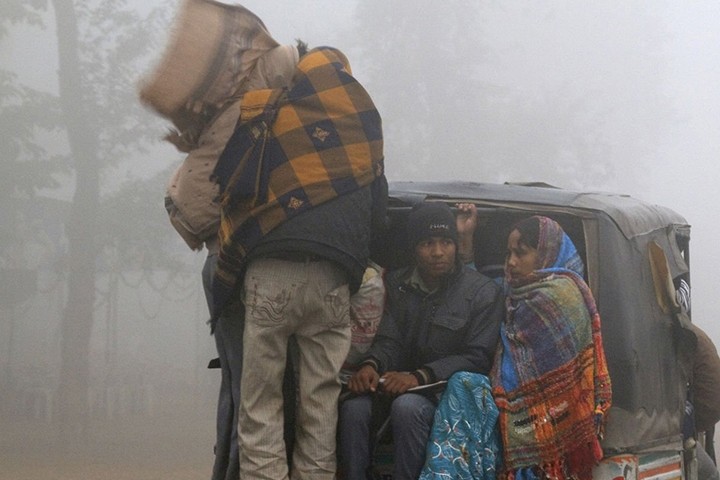
Photo courtesy: Pixabay
Climate variability is making winters more erratic. Short, intense cold spells with fog and humidity raise health risks, catching communities unprepared as early-warning systems focus more on heat and floods than cold stress
Cold waves have always been a part of North India’s winter calendar. What has changed over the years is their lethality. Even as the number of cold wave days remains relatively limited, exposure to extreme cold is claiming a growing share of lives lost to natural causes, revealing gaps in preparedness, public health response and social protection.
In 2023, cold exposure accounted for 11.4 per cent of all deaths caused by natural forces in India—the highest proportion recorded since 2015. In absolute terms, 733 people died due to cold exposure that year. Over the nine-year period between 2015 and 2023, cold waves claimed a total of 6,974 lives. While annual numbers have fluctuated, the share of cold-related deaths has consistently ranged between 7.9 per cent and 11.4 per cent, indicating that cold exposure is a persistent and underestimated risk.
This winter has once again brought the issue into sharp focus. A severe cold wave has gripped large parts of North India, with Delhi recording a minimum temperature of 2.9 degrees Celsius on January 16, its coldest morning in three years. Haryana, Punjab, Rajasthan and neighbouring states have seen near-freezing temperatures, while dense fog has disrupted transport, reduced visibility and slowed daily economic activity.
What is striking is that the rising death toll is not necessarily linked to a surge in cold wave days. India recorded just 40 cold wave days in 2024, far below the peak of 103 days seen in 2019. This suggests that it is not the frequency of cold waves alone that determines outcomes, but how societies cope with even short spells of extreme cold.

The regional data underscores this vulnerability. Jammu and Kashmir recorded the highest share of cold wave days in 2024, accounting for 30 per cent of reported days, while Delhi and Bihar touched decade-high levels of 17.5 per cent each. Several states had seen a decline in cold wave days in 2022 compared to 2014, but the trend reversed sharply in recent years, particularly in northern and eastern India.
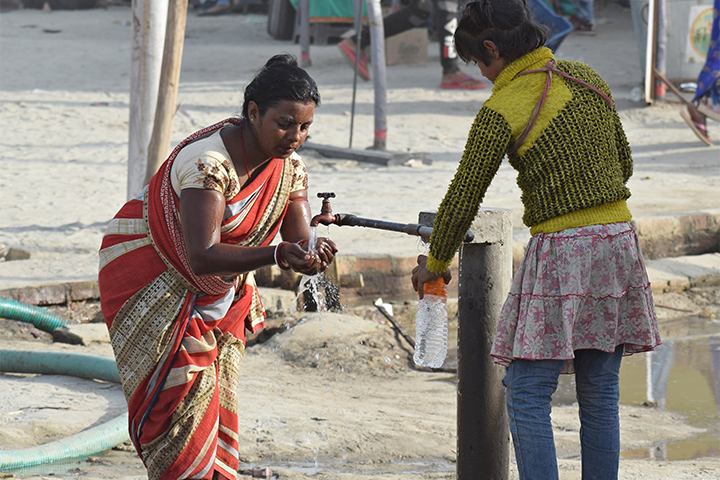
For the Indian economy and governance systems, these figures raise uncomfortable questions. Cold waves disproportionately affect the poor, the elderly, the homeless and outdoor workers—groups with limited access to heating, insulated housing or healthcare. Unlike heatwaves, which have begun to receive policy attention through heat action plans, cold stress remains poorly addressed in public planning.
Urban areas illustrate the problem vividly. Cities like Delhi may have better healthcare infrastructure, but they also have large informal populations living in poorly insulated shelters. Cold-related illnesses increase hospital admissions, strain emergency services and reduce labour productivity, especially in construction, transport and street-level commerce. Fog-related disruptions compound the economic cost by delaying trains, flights and road traffic during peak winter months.
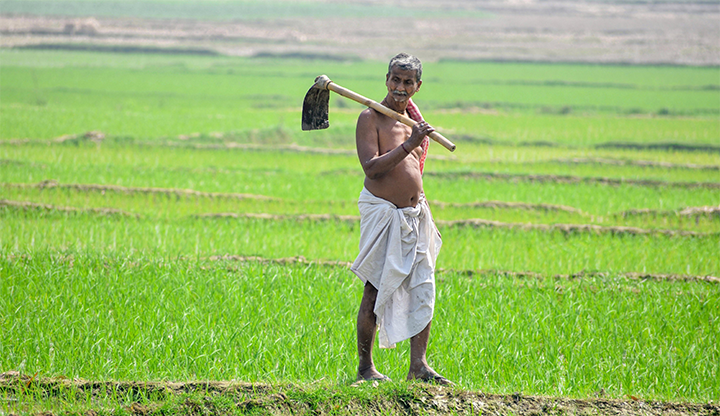
In rural areas, the risks are quieter but no less severe. Poor housing quality, limited access to electricity and inadequate winter clothing make cold exposure deadly even when temperatures are not extreme by global standards. Livelihoods dependent on agriculture and daily wage labour are also affected, reducing incomes at a time when healthcare expenses tend to rise.

Climate variability adds another layer of complexity. While India is warming on average, winter weather is becoming more erratic. Short but intense cold spells, often accompanied by fog and humidity, increase health risks. These conditions catch communities unprepared, especially when early warning systems and local administration focus more on heat and floods than on cold stress.
The data also highlights a policy blind spot. Disaster management frameworks in India are better equipped to deal with floods, cyclones and heatwaves than cold waves. Relief measures such as night shelters, community heating centres and emergency healthcare outreach are often reactive and unevenly implemented. In many states, cold wave deaths are treated as unfortunate but inevitable, rather than preventable.
As climate extremes become more unpredictable, this approach is unlikely to suffice. Reducing cold-related deaths will require better early warnings, targeted protection for vulnerable groups and integration of cold stress into public health planning. Simple interventions—insulated shelters, access to blankets, public awareness campaigns and coordinated local responses — can save lives.
Cold waves may not dominate headlines like heatwaves or floods, but the data shows they are becoming deadlier. Ignoring them would mean accepting a quiet and avoidable toll each winter—one that reflects not the severity of the cold, but the limits of preparedness.