Friday, 23 Oct, 2026

Photo courtesy: Pixabay
A 7.8 per cent growth rate shows striking resilience to external shocks. But the buffers are thinning as tax relief and easy money fade, while oil, agriculture and global finance pose fresh risks. Investment will have to carry the expansion if the momentum is to last
India has started the financial year on a stronger footing than many had expected. GDP (gross domestic product) grew 7.8 per cent in the April-June 2026 quarter, up from 6.9 per cent a year earlier and comfortably above the Reserve Bank of India’s 7 per cent forecast. The number is particularly striking because this was the first full quarter after the Iran war began. The conflict disrupted parts of the energy supply chain in its early stages and raised obvious concerns for India, which imports most of its crude oil and gas.
Those fears have, so far, proved excessive. Despite the disruption in West Asia, the economy has continued to move ahead at a brisk pace. Managing an energy shock of this sort without a visible loss of momentum is no small achievement.
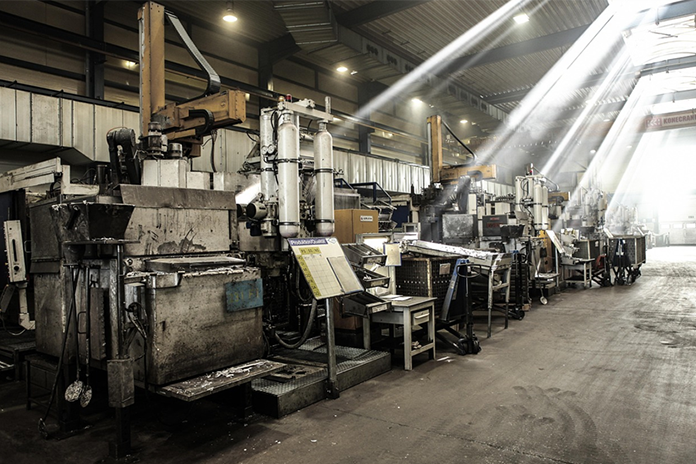
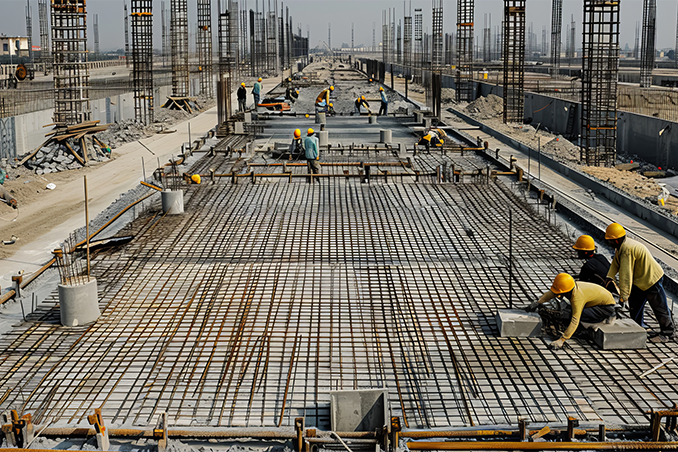
The details of the GDP numbers are reassuring too. Gross value added, a useful measure of activity across the economy, rose 8.2 per cent. Manufacturing grew 9.2 per cent, against 8.3 per cent in the same quarter last year. Construction, which had been weaker, picked up sharply, growing 7.7 per cent compared with 5.2 per cent a year earlier. Services grew 10 per cent, up from 8 per cent. The economy, therefore, was not being carried by one unusually strong sector. Industry and services were both doing their share of the work.

Agriculture is the obvious exception. Agriculture and allied activities grew 3.6 per cent, slower than the 4.4 per cent recorded a year earlier, while mining and quarrying contracted. That weakness may matter more as the year progresses. The monsoon has been below normal, and a poor agricultural season would affect rural incomes and demand as well as the supply of food. It could also complicate the inflation picture.
Private final consumption expenditure grew 7.1 per cent, an improvement over last year but still below the overall GDP growth rate. Investment, on the other hand, grew 11.9 per cent, compared with only 5.8 per cent a year earlier. Capital formation rose to 34.3 per cent of GDP at current prices. Consumption can keep an economy moving for a while, but investment is what expands its capacity to grow.
Direct-tax relief and last year’s reduction in goods and services tax rates have supported demand, while monetary policy has remained accommodative. Stronger bank credit has helped both services and consumption.
The problem is that an economy does not escape an energy shock merely because the immediate damage is not visible in GDP. The limited pass-through of higher energy prices has helped consumers and kept inflation under control, but some of the cost may eventually show up elsewhere, including in government finances. Fertiliser subsidies could also become more expensive. That will put another demand on the Union Budget.
Inflation is therefore likely to be the more difficult issue in the months ahead. It remains within the RBI’s comfort zone, but what matters now is where it is heading. If crude oil stays around $90 a barrel, higher energy costs, combined with strong domestic demand, could begin to push inflation upwards.
The central bank will also remember the experience of the energy shock following the Ukraine conflict, when inflation became a much more serious public concern. It will not want to find itself behind the curve again if oil prices begin to feed through more strongly.
Also, the government’s spending choices particularly important. Higher energy and fertiliser subsidy bills could put pressure on the Budget, but capital expenditure should not be the casualty. The 11.9 per cent increase in investment is one of the strongest features of the latest data. Cutting public investment just when private investment appears to be gaining strength would be a false economy.

The first quarter, therefore, deserves to be viewed with some satisfaction, but not complacency. India has absorbed a serious external shock and still managed to grow at close to 8 per cent. Manufacturing, construction and services have all strengthened. Investment has accelerated sharply, while consumption has remained reasonably firm.
But the conditions that helped the economy will not last indefinitely. The boost from tax cuts and GST reductions will fade. The support from easy monetary policy cannot continue without regard to inflation. Agriculture faces the uncertainty of the monsoon. Oil prices remain exposed to events in West Asia, and global financial conditions could turn less favourable.
The first quarter has demonstrated India’s resilience. The next few quarters will show whether that resilience is strong enough to survive without extraordinary support. The aim should not merely be to preserve a 7.8 per cent growth rate for another quarter. It should be to make the current expansion broad enough, investment-led enough and durable enough to withstand the shocks that are still waiting outside.