Wednesday, 23 Sep, 2026


Photo courtesy: Pixabay
Luxury housing prices are surging across major metros. Delhi NCR leads with a 72% jump between 2022 and 2025, far outpacing Mumbai’s 43% rise and Hyderabad’s 41%
The housing market is climbing the price ladder, and the shift is unmistakable. The segment that once anchored the country’s homeownership ambitions—affordable housing—has begun to fade from the centre of activity. Homes priced under Rs 40 lakh, earlier the default choice for first-time buyers and the focus of policy incentives, are no longer the industry’s engine. The market’s energy has moved elsewhere: toward larger homes, richer amenities, and deeper-pocketed buyers.
Between 2022 and 2025, affordable home prices rose a modest 26 per cent, from Rs 4,220 to Rs 5,299 per sq ft. In any ordinary cycle, this would be respectable. But the rest of the market sprinted ahead. Luxury homes—units priced above Rs 1.5 crore—saw an impressive 40 per cent climb over the same period. Mid-range and premium homes (Rs 40 lakh to Rs 1.5 crore) performed almost as well, with prices rising 39 per cent.
The gap reflects a decisive shift in what buyers want and what developers find viable. Wealthier buyers have been voting with their wallets: for larger spaces, superior amenities, and established brands. The pandemic’s emphasis on home as both refuge and workplace deepened this preference. As DLF’s Aakash Ohri notes, confidence among buyers with means has strengthened, and for HNIs and NRIs, real estate has outperformed competing assets, offering both steady appreciation and attractive rental returns.

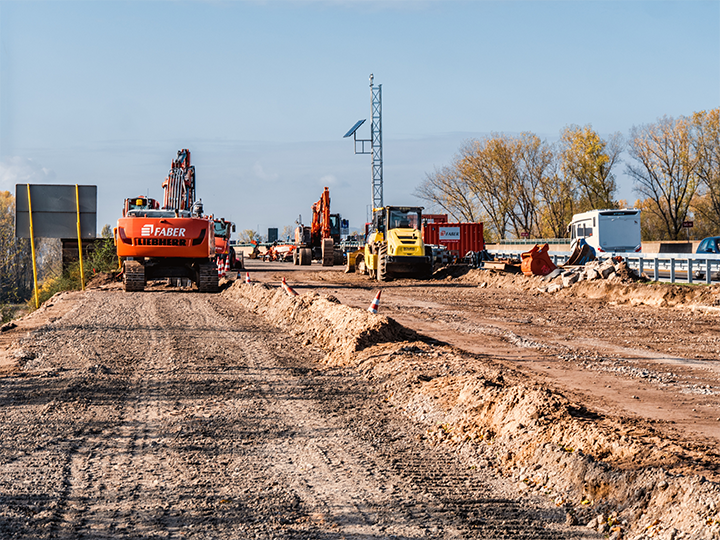
Meanwhile, the affordable segment’s softness is rooted in arithmetic. Building a sub-Rs 40 lakh home in most top cities has become progressively harder. Land prices have surged. Cement, steel, and labour costs have climbed. Regulatory compliance adds further overhead. Developers say that unless they move to far-flung suburbs—where demand weakens—there is little room to deliver quality at that price point without sacrificing margins. What was once the mass-market backbone has quietly turned into a commercially awkward space.
The contrast is evident in the hotspots of luxury demand. Delhi NCR has seen a 72 per cent jump in luxury home prices between 2022 and 2025—from Rs 13,450 to Rs 23,100 per sq ft. Mumbai, constrained by scarce land and redevelopment bottlenecks, recorded 43 per cent growth. Hyderabad followed with 41 per cent. The appeal lies in a mix of scarcity and aspiration: limited supply of well-designed, amenity-rich projects, rising incomes in major job hubs, and a broader tilt toward branded developers who can deliver predictable timelines and superior build quality. As Anarock’s Anuj Puri points out, this is as much about lifestyle choices as it is about returns.
The mid-income and premium segment is emerging as a pragmatic middle path—accessible to a larger pool of buyers yet profitable enough for developers. It has, in many ways, become the “new affordable”: slightly stretched budgets, better locations, and stronger resale prospects. Buyers who might once have settled for bare-minimum units are now trading up, often viewing real estate as both consumption and investment.
Still, demand for affordable homes has not vanished. It remains vast. The problem is supply. Developers are shifting attention to segments with healthier margins and faster sales cycles. The likely industry response is already visible: shrinking apartment sizes in the sub-Rs 1.5 crore bracket to hold the ticket price while maintaining returns.
This transition matters. Affordable housing has long been a labour-intensive driver of jobs, construction activity, and urban migration. Its decline carries broader implications for economic inclusion and the reach of homeownership. A market that tilts too far toward premiumisation risks widening the distance between aspiration and access.
For now, India’s housing sector is living two parallel stories. At the top, a buoyant, scarcity-driven boom. At the bottom, a segment struggling to stay viable. The market is growing, but unevenly—and the fault lines it exposes will shape both urban development and economic opportunity in the years ahead.