Thursday, 17 Sep, 2026
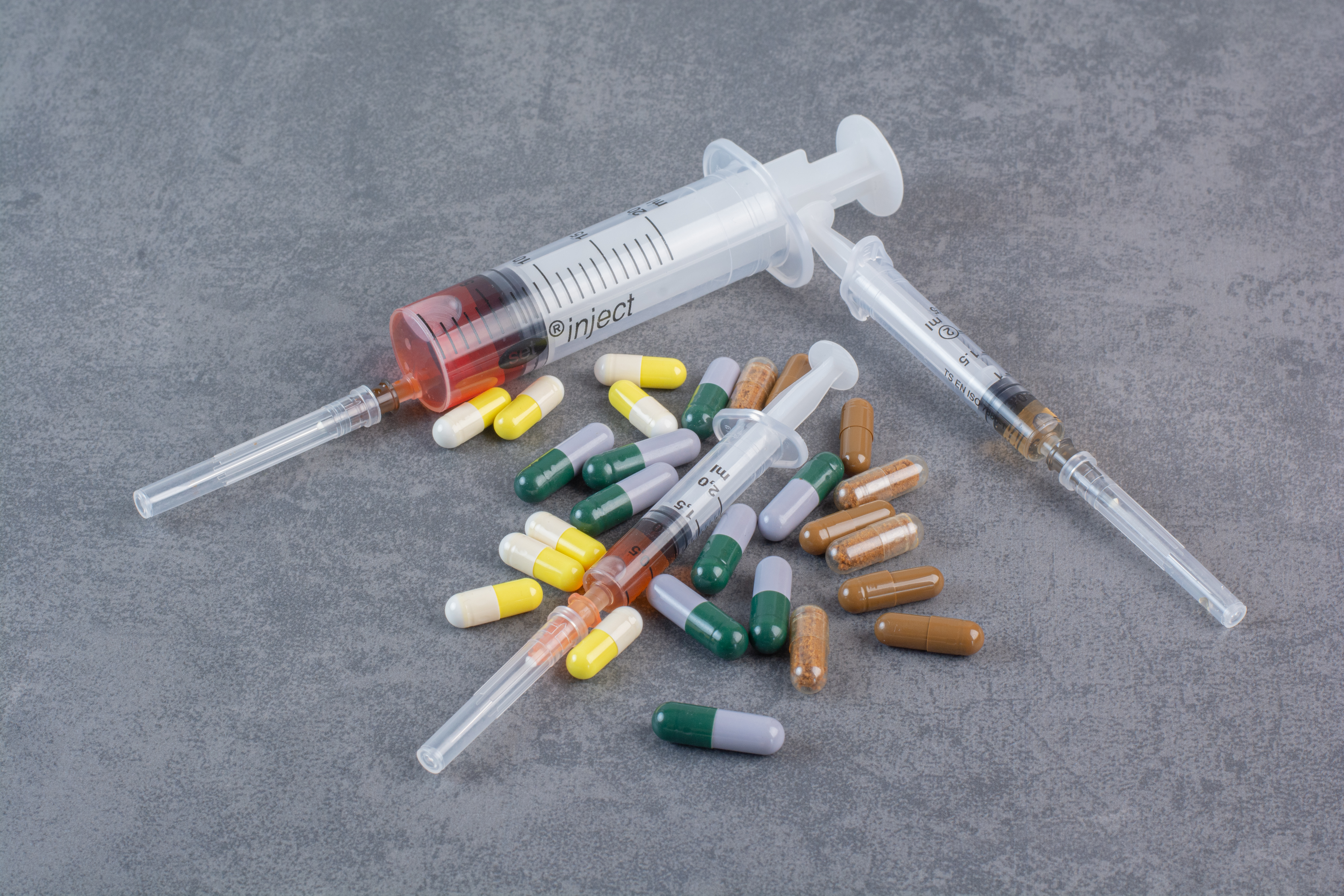
Photo courtesy: Freepik
The latest data from the Athletics Integrity Unit (AIU) and the World Anti-Doping Agency (WADA) places the country at the top of global doping charts. From 148 suspended athletes to 260 positive cases, the numbers point to a pattern that is difficult to ignore.
The latest list released by the Athletics Integrity Unit (AIU), valid up to April 1, places India at the top globally with 148 suspended track and field athletes, overtaking Kenya (146) and far ahead of Russia (66). The list covers not just doping violations but also non-doping offences such as evading tests, tampering with samples, trafficking banned substances, and failing to provide whereabouts information- violations that carry penalties equivalent to doping.
The composition of the list itself is telling. It includes established and emerging athletes alike: Dutee Chand, serving a four-year suspension since December 2022; Parvej Khan, banned for six years until July 2030; and Dhanalakshmi Sekar, facing an eight-year suspension after a repeat offence in 2025. The presence of such names indicates that the issue is not confined to lower levels but extends across the competitive spectrum.
However, the AIU data is only one part of the picture. The World Anti-Doping Agency’s (WADA) Testing Figures Report for 2024 shows that India recorded 260 adverse analytical findings (AAFs), the highest in the world, and the third consecutive year the country has topped the list. India is also the only country to report doping cases in triple digits.

These findings emerged from 7,113 tests conducted by the National Anti-Doping Agency NADA, including 6,576 urine samples and 537 blood samples. Of these, 253 urine samples (196 in-competition and 57 out-of-competition) and seven blood samples (four in-competition and three out-of-competition) returned positive. The resulting positivity rate of 3.6 per cent is the highest among all countries conducting more than 5,000 tests.
A comparison with other countries makes the disparity sharper. China conducted 24,214 tests but reported a positivity rate of just 0.2 per cent. France carried out 11,744 tests with a 0.8 per cent rate, while Russia recorded 76 violations from 10,514 tests, translating to 0.7 per cent. The United States conducted 6,592 tests, fewer than India, and reported a 1.1 per cent positivity rate.
Even within India, the trend shows little structural improvement. In 2023, there were 213 positive cases from 5,606 samples, resulting in a higher positivity rate of 3.8 per cent. The marginal decline to 3.6 per cent in 2024 does little to change the broader trajectory.
Recent cases across disciplines underline how widespread the issue has become. Karate athlete Pranay Sharma was suspended for refusing to provide a urine sample, a violation under the refusal provisions. Wrestler Radhika tested positive for clenbuterol, a substance associated with muscle-building and fat reduction. Others, including wrestlers Priyanka and Nitin, and volleyball player Shahbaj Ali, also returned positive for the same substance.
Canoeist Shubham Kewat, who competed at the Hangzhou Asian Games, tested positive for methyltestosterone, a substance used to enhance strength and power. In wrestling, three internationally recognised athletes, Reetika Hooda, Muskan Nandal and Nitika, were banned after testing positive ahead of Olympic qualifiers, adding to a growing list of high-profile cases.
The spread of violations across athletics, wrestling, karate, volleyball and canoeing suggests that doping is not confined to a specific sport. At the same time, reports of athletes evading testing, including instances of participants fleeing dope control at competitions, point to deeper compliance challenges.
Authorities have attributed the high numbers to intensified testing. NADA has argued that expanded testing and stronger detection mechanisms have contributed to higher detection rates. However, the consistently high positivity rate, especially when compared with countries conducting more extensive testing, indicates that testing alone does not explain the scale of the problem.
Taken together, the AIU and WADA data is not just a snapshot of violations, it reveals a pattern that runs across years, disciplines and levels of sport. From 148 athletes on the AIU’s ineligible list to consistently high positivity rates in WADA’s testing figures, the problem is not isolated. It points to something more structural. That pattern is closely tied to the ecosystem athletes operate in. In India, success in sport is often linked to economic security; a medal can translate into a government job, particularly in services like the police or armed forces. For many athletes, this is not just recognition but a pathway out of financial uncertainty. In such a system, the pressure to deliver quickly, combined with gaps in awareness and regulation, can push athletes towards shortcuts that promise faster results.
This is where the implications extend beyond sport itself. As India positions itself as a serious contender to host the Olympic Games, the credibility of its sporting system comes under greater scrutiny. Continuing to top global doping charts complicates that ambition, because hosting a global event is not just about infrastructure or scale, but about the ability to uphold a clean and credible sporting environment.