Sunday, 20 Sep, 2026

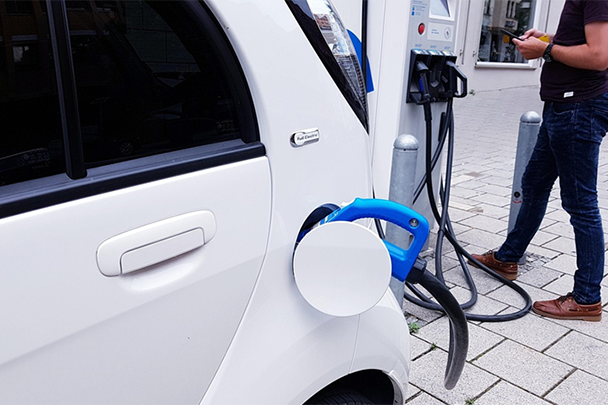
Photo courtesy: Pixabay
The EV transition was initially driven by climate goals, incentives and technology. Now, rising fuel prices are giving it a more practical appeal: household savings
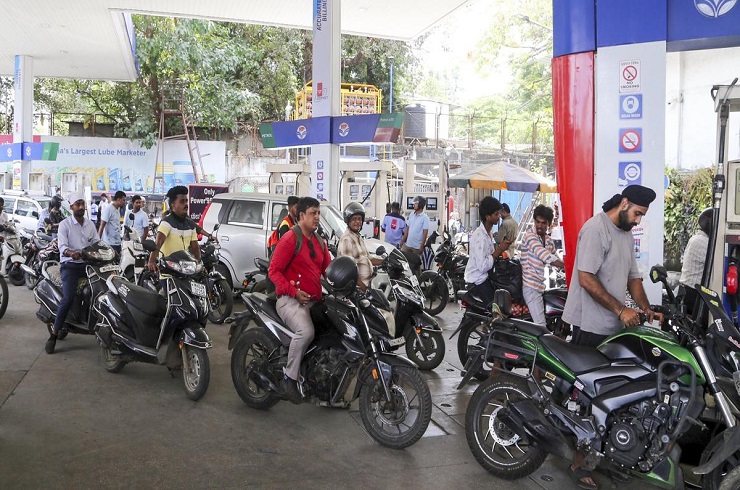
The surge in petrol and diesel prices triggered by the West Asia conflict is beginning to reshape how Indians think about buying cars.
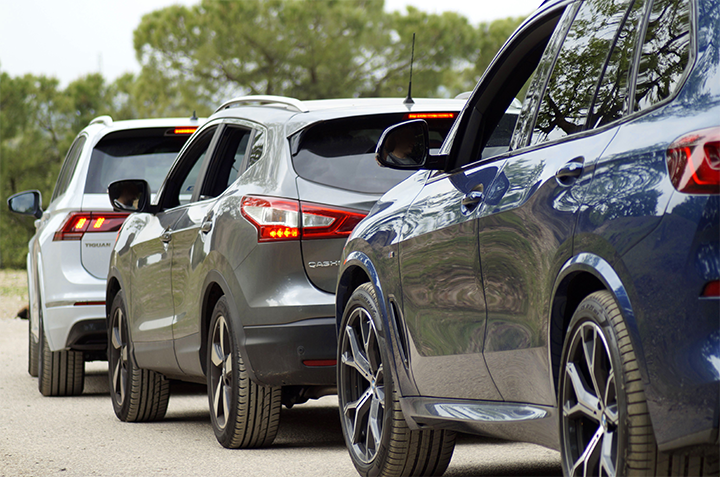
For years, the country’s automobile market revolved around a simple principle: lower upfront cost mattered more than long-term running expenses. Buyers compared showroom prices, EMIs and discounts far more closely than fuel or maintenance costs over a vehicle’s lifetime. But as oil prices rise and fuel bills climb, that equation is starting to change.
The disruptions around the Strait of Hormuz and escalating tensions in West Asia have already pushed cumulative fuel-price increases to around Rs 7.50 per litre in May. For Indian households—especially urban commuters with long daily drives— that increase is large enough to alter monthly budgets.
As a result, consumers are increasingly focusing not just on what a car costs to buy, but what it costs to operate over five or seven years. That shift is quietly strengthening the economics of electric vehicles (EVs).
India’s EV transition was initially framed around climate goals, government incentives and new technology. Rising fuel prices are now giving the shift a far more practical dimension: household savings.
The change is already visible in sales data. According to the Federation of Automobile Dealers Associations, EVs accounted for 4.25 per cent of passenger vehicle retail sales in FY26, up from 2.61 per cent in FY25. The trend strengthened further in April FY27, when EV penetration rose to 5.77 per cent compared with 3.70 per cent a year earlier.
Dealers say rising fuel prices are increasingly influencing customer choices. More than one-third of dealers surveyed by FADA reported that buyers were shifting towards EVs and CNG vehicles as petrol and diesel became more expensive.
This marks a notable behavioural change in one of the world’s most price-sensitive automobile markets. Indian consumers have historically preferred cheaper upfront purchases even if lifetime running costs were higher. Persistently high fuel prices are weakening that logic.
Industry calculations for vehicles in the Rs 11–12 lakh segment show that EVs still cost slightly more upfront than comparable petrol or CNG models. But lower fuel and maintenance costs help offset that premium over time, particularly for drivers with heavy daily usage.

The economics become even more attractive if crude oil prices remain elevated because of geopolitical instability. India imports more than 85 per cent of its crude oil requirements, meaning every jump in global oil prices feeds directly into domestic inflation and household spending. In effect, rising petrol prices steadily improve the relative competitiveness of EVs.
Yet the transition remains uneven.
Several structural barriers continue to slow adoption. Charging infrastructure remains patchy, especially outside large cities. Model availability in the mass-market segment is still limited. Buyers also remain concerned about battery range, charging convenience and resale value.
Real-world driving conditions add to those concerns. Air-conditioning use, traffic congestion and highway driving can reduce battery range significantly, making many consumers cautious about fully replacing petrol vehicles.
As a result, EVs are currently finding their strongest acceptance as second cars in urban households with predictable daily commutes and access to home charging. That reflects the socioeconomic reality of India’s EV market so far: adoption remains concentrated among relatively affluent city consumers.
Still, the long-term direction appears increasingly clear. Battery prices continue to decline globally, charging infrastructure is expanding gradually and policy support for electrification remains strong. The West Asia crisis may not create India’s EV transition, but it is accelerating it by steadily eroding the economics of petrol and diesel ownership.