Sunday, 20 Sep, 2026

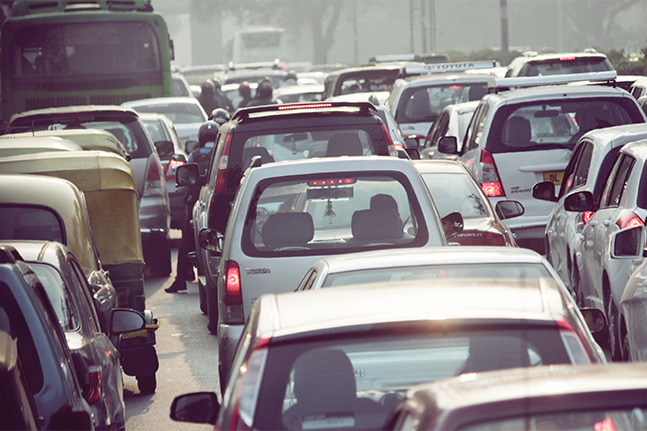
Photo courtesy: Pixabay
Record 11% electric vehicle penetration in May suggests higher petrol and diesel costs are beginning to alter consumer buying behaviour even as overall vehicle demand remains resilient
The sharp rise in petrol and diesel prices following the West Asia conflict is beginning to reshape India's automobile market, with consumers increasingly turning to electric vehicles (EVs) as running costs outweigh purchase prices in buying decisions.
Data released by the Federation of Automobile Dealers Associations (FADA) on Monday showed EV penetration across all vehicle categories climbed to a record 11 per cent in May, up from around 7 per cent during 2025-26 (FY26), as higher fuel prices accelerated demand for alternative-fuel vehicles.
The shift comes at a time when India's automobile market delivered its strongest-ever May performance. Overall retail registrations rose 10 per cent year-on-year to 2.53 million units, with passenger vehicles, three-wheelers, tractors and total vehicle registrations all recording their best May sales on record.
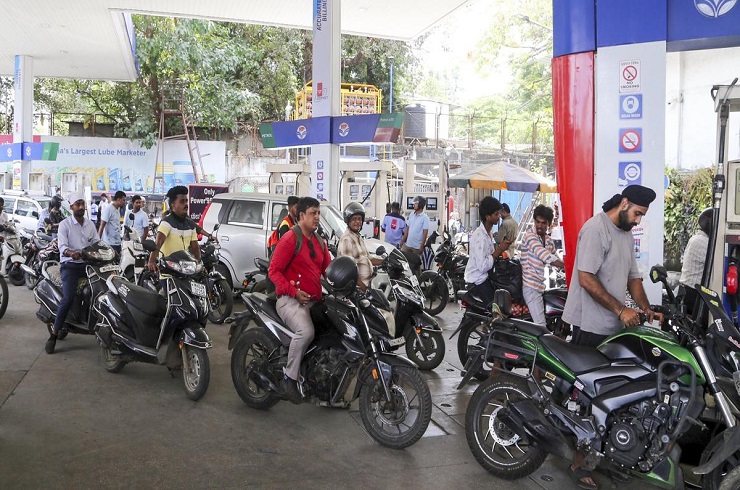
The timing is significant. Since mid-May, petrol and diesel prices have risen by roughly Rs 7.5 per litre as crude oil prices climbed amid the conflict in West Asia and concerns over supplies through the Strait of Hormuz. For a country that imports more than 85 per cent of its crude oil, higher global prices quickly translate into higher transport costs and household fuel bills.
That is changing consumer behaviour.
For years, India’s EV transition was driven largely by government incentives, environmental concerns and improving technology. The latest sales data suggest a new driver is emerging: economics. Buyers are increasingly comparing lifetime ownership costs rather than simply showroom prices.
The trend is visible across every vehicle category.
Electric two-wheelers accounted for 9.25 per cent of sales in May, up from 6.11 per cent a year earlier. In passenger vehicles, EV penetration increased to 6.63 per cent from 4.51 per cent. Electric three-wheelers, already India’s most electrified segment, strengthened further to 64.45 per cent from 61.46 per cent, while commercial vehicles saw EV share more than double to 2.86 per cent from 1.37 per cent.
Alternative fuels are gaining ground beyond EVs as well. CNG's share in passenger vehicles rose to 23 per cent, taking the combined share of alternative-fuel vehicles to 38 per cent during May.

The broader automobile market also reflected improving demand despite global uncertainties.
Passenger vehicle registrations jumped 23 per cent, tractors grew 11 per cent, two-wheelers 8 per cent, commercial vehicles 5 per cent, and three-wheelers 4 per cent compared with a year earlier.
The standout feature was the strength of rural demand.
Passenger vehicle sales in rural India expanded 30 per cent, comfortably ahead of the 19 per cent growth recorded in urban markets. Rural commercial vehicle sales also outperformed, rising 8 per cent against 2.6 per cent in urban centres, indicating that freight movement and economic activity remain healthy beyond metropolitan regions.
The resilience is noteworthy because the industry faced several headwinds during the month, including extreme summer temperatures, rising fuel prices and uncertainty stemming from geopolitical tensions. Sales were also lower than April levels, reflecting normal seasonal moderation before the monsoon sowing season.
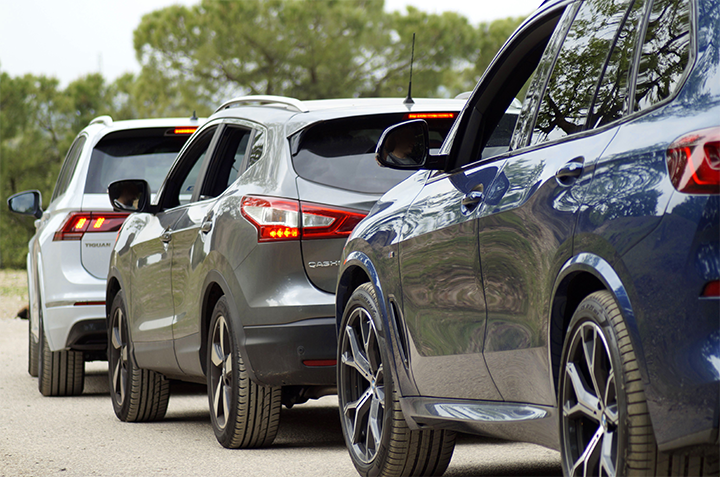
Within passenger vehicles, dealers reported renewed demand for entry-level small cars alongside sustained interest in sport utility vehicles. In the two-wheeler market, the marriage season and continued affordability after the GST rate reduction helped support commuter motorcycle sales despite heatwaves affecting showroom footfall.
Among manufacturers, Maruti Suzuki India reported a 33 per cent increase in retail sales to 164,925 units. Tata Motors posted 39 per cent growth to 55,544 units, while Mahindra & Mahindra recorded a 10 per cent rise to 51,311 units.
The growing preference for EVs reflects a gradual shift in consumer priorities. Dealers noted that enquiries for fuel-efficient vehicles have increased sharply following successive fuel-price hikes. For many buyers, particularly those with high daily commuting needs, lower operating costs are beginning to outweigh higher upfront purchase prices.
Commercial vehicle dealers also reported steady freight demand supported by infrastructure activity and e-commerce logistics, although they flagged rising insurance costs, higher freight expenses and slower financing approvals as emerging challenges linked to the West Asia crisis.
Despite those concerns, dealer sentiment remains broadly optimistic. More than 50.5 per cent of dealers expect sales growth in June, while 39.9 per cent anticipate a stable market. Fewer than 10 per cent foresee a decline.
Much will now depend on the progress of the southwest monsoon, the pace of kharif sowing and the trajectory of global oil prices. A stable financing environment after the Reserve Bank of India kept the repo rate unchanged at 5.25 per cent is expected to support demand, particularly in rural markets.
The latest numbers suggest India’s EV story is entering a new phase. Climate concerns and policy incentives remain important, but the strongest catalyst may now be rising fuel costs. If oil prices remain elevated, the economics of vehicle ownership could increasingly favour electric mobility, accelerating a transition that until recently was expected to unfold much more gradually.