Saturday, 24 Oct, 2026

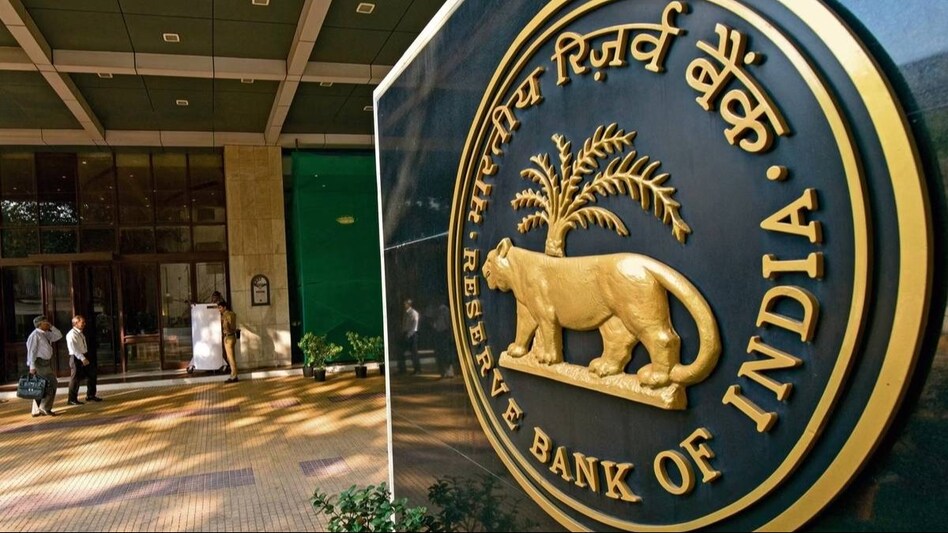
Source of the image: Business Today.
The Reserve Bank of India’s record ₹2.87 lakh crore dividend transfer to the Centre comes at a crucial moment for the government’s finances. With rising crude oil prices, subsidy pressures and global uncertainty weighing on the fiscal outlook, the surplus offers significant breathing space to the Centre.
The Reserve Bank of India’s (RBI) decision to transfer a record ₹2.87 lakh crore surplus to the Central Government for FY26 has provided a major boost to the Centre’s finances at a time when global uncertainties and rising subsidy pressures are weighing on the fiscal position. The transfer, approved by the RBI’s Central Board, is the highest-ever dividend payout by the central bank and comes amid concerns over rising crude oil prices, geopolitical tensions in West Asia and pressure on government spending.
The latest transfer is around 6.7 per cent higher than the ₹2.69 lakh crore transferred in FY25. The scale of the increase becomes clearer when compared with previous years. The RBI had transferred ₹2.11 lakh crore in FY24 and only ₹87,416 crore in FY23. Over just three years, the RBI’s surplus transfer has more than tripled, underlining the growing importance of central bank dividends in supporting government revenues.
A large part of this year’s increase came from strong growth in the RBI’s income during FY26. According to the central bank, gross income rose by 26.42 per cent during the year, while net income before risk provisions and transfers to statutory funds increased to nearly ₹3.96 lakh crore from ₹3.13 lakh crore in FY25.
The RBI’s balance sheet also expanded sharply. As of March 31, 2026, the balance sheet stood at ₹91.97 lakh crore, registering a 20.61 per cent increase over the previous year. The expansion in the balance sheet, combined with higher earnings, created room for a larger surplus transfer to the government.
One of the key drivers of the higher earnings was the RBI’s intervention in the foreign exchange market. During FY26, the central bank sold large amounts of US dollars to support the rupee amid persistent depreciation pressures. These foreign exchange operations generated significant trading gains for the RBI. The central bank also benefited from elevated global interest rates. Higher yields on foreign currency assets and overseas securities improved returns on the RBI’s external investments, strengthening its income position further. Together, forex operations and higher returns on foreign assets contributed substantially to the record surplus.
However, the biggest factor behind the higher payout was the RBI’s decision to reduce its Contingent Risk Buffer (CRB) from 7.5 per cent to 6.5 per cent of the balance sheet. The CRB acts as a financial safeguard maintained by the RBI against unforeseen risks. It is part of the central bank’s Economic Capital Framework and is designed to absorb risks arising from exchange rate volatility, monetary operations, depreciation in securities and broader systemic shocks. Under the revised framework, the CRB is required to remain within a range of 4.5 per cent to 7.5 per cent of the balance sheet.

When the CRB is raised, a larger share of the RBI’s income is transferred to contingency reserves, reducing the amount available for payout to the government. When the CRB is lowered, the amount transferred to reserves declines, allowing the RBI to transfer a larger surplus. This year’s reduction in the CRB had a major impact on the dividend size. According to calculations cited in reports, had the RBI maintained the CRB at last year’s level of 7.5 per cent, the dividend payout would have been around ₹92,000 crore lower at nearly ₹1.95 lakh crore.
The RBI said it transferred ₹1.09 lakh crore towards the Contingent Risk Buffer for FY26 while maintaining the buffer at 6.5 per cent of the balance sheet. Last year, the CRB was maintained at the upper end of the revised range, at 7.5 per cent.
The reduction is significant because this is the first time the RBI has lowered the CRB after increasing it for three consecutive years. In FY23 and FY24, the central bank had steadily raised the risk buffer as economic conditions improved. Those increases had reduced the amount available for dividend transfer during those years.
The revised Economic Capital Framework was approved only last year following an internal review by the RBI. The framework widened the acceptable CRB range to 4.5-7.5 per cent from the earlier 5.5-6.5 per cent range recommended by the Bimal Jalan Committee in 2019. The broader range gave the RBI greater flexibility in managing reserves and surplus transfers.
The timing of the higher dividend is crucial for the government’s finances. Rising tensions in West Asia have increased concerns over higher oil and fertiliser prices, both of which could put pressure on subsidy expenditure. At the same time, reductions in excise duty on petrol and diesel are expected to affect tax collections, while losses faced by oil marketing companies may reduce dividend receipts from public sector firms.
Against this backdrop, the RBI’s surplus transfer provides significant fiscal relief. Economists have noted that the additional inflow could help the Centre maintain spending commitments while limiting additional borrowing pressures. The transfer is also expected to support the government’s infrastructure and capital expenditure plans. Higher non-tax revenue gives the Centre greater room to spend on sectors such as transportation, energy, logistics and urban development without significantly worsening the fiscal deficit position. The impact could also extend to the bond market. Lower borrowing requirements may help contain bond yields and reduce upward pressure on interest rates.