Thursday, 17 Sep, 2026

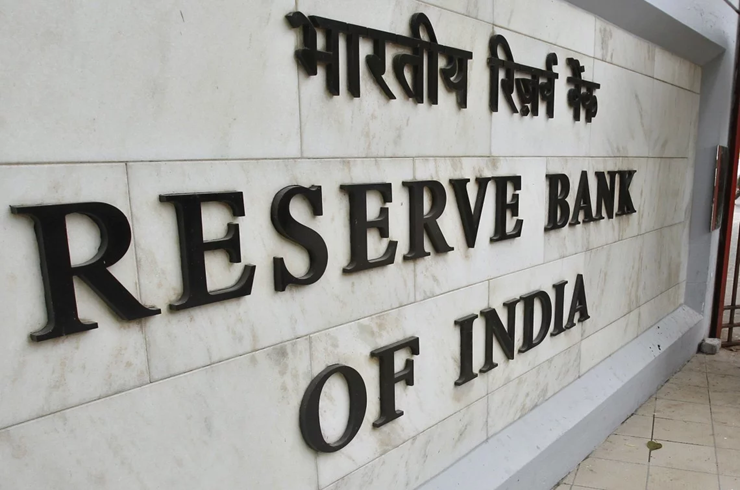
A significant portion of the decline was attributed to a reduction in the value of the RBI’s gold reserves, which fell by nearly $4.5 billion during the reporting period. Image Source: IANS
According to the latest data released by the RBI, India’s foreign exchange reserves stood at $681.4 billion for the week ending May 22, 2026, compared to $688.89 billion in the previous week.
India’s foreign exchange reserves have declined to their lowest level in over a year as the Reserve Bank of India (RBI) intensified its interventions in the currency market to cushion the rupee from mounting external pressures. The decline comes amid heightened geopolitical tensions, rising crude oil prices, and increased volatility in global financial markets, all of which have weighed heavily on the Indian currency.
According to the latest data released by the RBI, India’s foreign exchange reserves stood at $681.4 billion for the week ending May 22, 2026, compared to $688.89 billion in the previous week. This marks a weekly decline of approximately $7.5 billion and reflects the central bank’s efforts to manage excessive fluctuations in the foreign exchange market.

Source: Reserve Bank of India
A significant portion of the decline was attributed to a reduction in the value of the RBI’s gold reserves, which fell by nearly $4.5 billion during the reporting period. Gold reserves are subject to fluctuations in international bullion prices, and recent corrections in global gold markets have impacted the valuation of India’s holdings. In addition, foreign currency assets (FCAs)—the largest component of the country’s forex reserves—declined by almost $3 billion to around $543 billion. FCAs are influenced not only by direct RBI intervention but also by changes in the valuation of major global currencies such as the euro, pound sterling, and yen against the US dollar.
The central bank has been actively selling dollars in the foreign exchange market to stem the rupee’s depreciation and maintain orderly market conditions. The Indian currency has come under sustained pressure in recent weeks following the escalation of the US-Iran conflict, which has led to a sharp rise in global crude oil prices and triggered risk aversion among international investors. As capital has flowed out of emerging markets in search of safer assets, currencies including the rupee have faced significant downward pressure.
India remains particularly vulnerable to fluctuations in global oil prices due to its heavy dependence on imports for meeting domestic energy requirements. The country imports close to 90 per cent of its crude oil needs, making higher oil prices a major concern for inflation, fiscal stability, and the external sector. Rising import bills also increase demand for dollars, further weakening the rupee.
During the week under review, the rupee briefly touched an all-time low of 96.96 against the US dollar before recovering following aggressive intervention by the RBI. Market participants indicated that the central bank sold substantial quantities of dollars through state-owned banks across multiple trading sessions to prevent panic-driven movements and curb speculative pressure. These interventions helped stabilise the currency, allowing it to recover and close the week at around 95 per dollar, representing a gain of roughly 0.7 per cent.
Analysts estimate that the RBI may have been selling between $800 million and $2 billion per day during periods of heightened volatility. While such measures have been effective in reducing sharp swings in the exchange rate, they have inevitably contributed to the drawdown in the country’s foreign exchange reserves.
Foreign currency maintained by a country's central bank is known as its Forex reserves. It offers protection from unforeseen external shocks. Typically, reserve currencies like the dollar are used to maintain it. The fundamental goal of holding foreign exchange reserves is to preserve confidence in the monetary and exchange rate management policies as well as to preserve currency liquidity to absorb external shocks. Also, having sufficient reserves helps reassure investors in times of extreme uncertainty, such as wars or unrest, portrays a positive image, and reassures trading countries.
The RBI has consistently maintained that it does not target a specific exchange rate level for the rupee. Instead, its interventions are aimed at ensuring orderly market functioning and preventing excessive volatility that could disrupt economic activity. The central bank’s approach reflects its broader objective of maintaining financial stability while allowing market forces to determine the currency’s long-term trajectory.
Despite the recent decline, India continues to hold one of the largest foreign exchange reserve buffers globally. The reserve stockpile remains sufficient to cover several months of imports and provides a strong safeguard against external shocks, including sudden capital outflows and global economic uncertainty. However, if geopolitical tensions persist and crude oil prices remain elevated, pressure on both the rupee and foreign exchange reserves could continue in the near term.
Investors and market participants are now closely watching the RBI’s upcoming monetary policy announcement scheduled for June 6. Policymakers are expected to carefully evaluate the evolving inflation outlook, the impact of higher energy prices on the economy, and the implications of currency movements for overall macroeconomic stability. The central bank’s assessment and policy guidance will be crucial in shaping market expectations at a time when global uncertainty remains elevated and external risks continue to intensify.