Thursday, 17 Sep, 2026

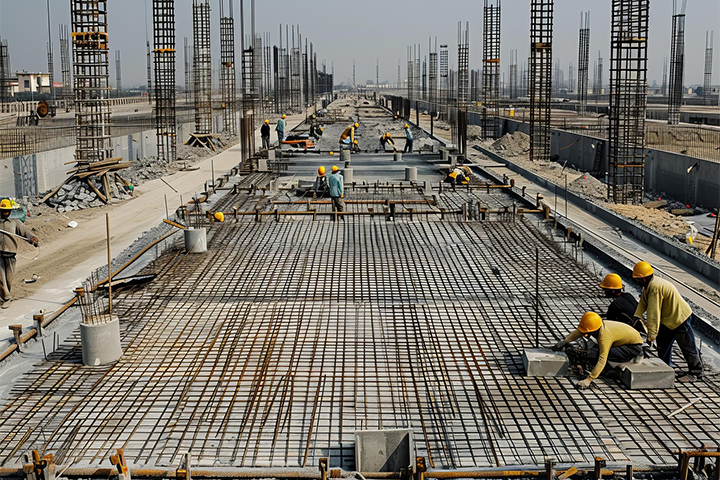
Photo courtesy: Pixabay
Growth is drawing strength from all major engines—consumption, manufacturing, services, and investment. With inflation subdued, GST reforms taking hold, and private capex stirring, the recovery is turning broader and more durable
India’s growth numbers for the July–September quarter of FY26 offer a reminder of how often the economy springs surprises. GDP rose 8.2 per cent—the fastest in six quarters and well above both private forecasts and the Reserve Bank of India’s 7 per cent estimate. The headline figure benefited from a low base and a soft deflator, but the bigger story lies in the depth and spread of the rebound. Manufacturing, services, and consumption all put in strong performances, underlining the remarkable resilience that India has demonstrated through the post-pandemic years.
Manufacturing grew 9.1 per cent in the quarter, a striking turnaround at a time when India is facing a 50 per cent US tariff on its exports. Much of the surge owes itself to front-loading of production before the tariff deadline, but it still represents a sharp jump from the meagre 2.2 per cent recorded a year earlier. Services matched industry’s momentum, expanding 9.2 per cent and maintaining their role as the economy’s principal stabiliser.
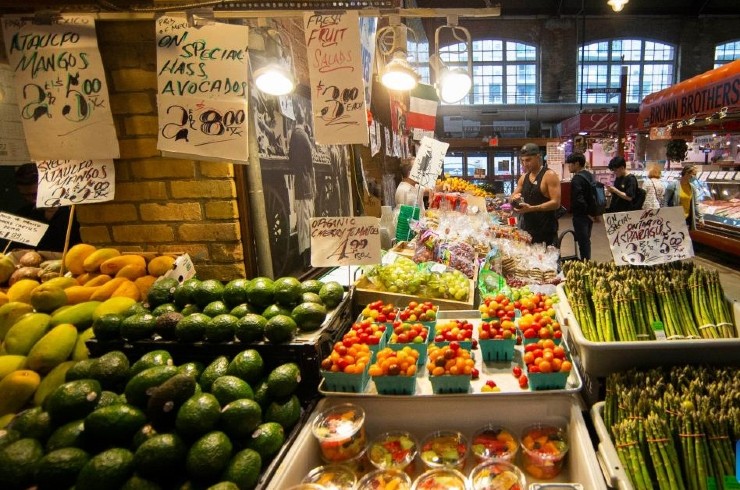
Household spending—the backbone of the economy—rebounded smartly. Private consumption rose 7.9 per cent, the strongest in three quarters, helped along by the recent rationalisation of GST rates, lower income-tax burdens and the accumulated impact of earlier interest-rate cuts. With consumption accounting for almost 60 per cent of GDP, this recovery carries more weight than headline GDP alone would suggest.

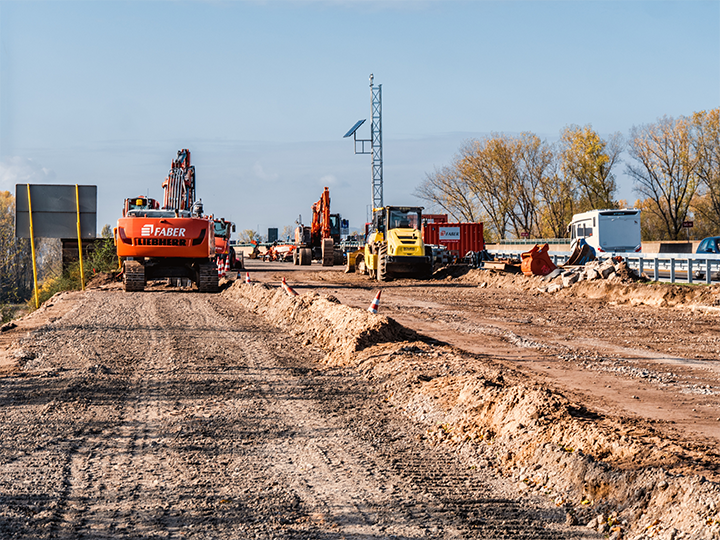
Investment spending held firm, with gross fixed capital formation growing 7.3 per cent, only slightly below the previous quarter’s 7.8 per cent. Agriculture, by contrast, was steady rather than spectacular, posting 3.5 per cent growth against 3.7 per cent in Q1. Gross value added (GVA) rose 8.1 per cent—an eight-quarter high—compared with 5.8 per cent a year earlier.
The only soft patch in the data is nominal GDP, which grew 8.7 per cent, well below the finance ministry’s full-year assumption of 10.1 per cent. A narrow gap between real and nominal growth—now the lowest since Q3 FY20—reflects the sharp easing of both retail and wholesale inflation. The shortfall could complicate tax mobilisation and force the government to watch spending more closely if it is to meet the FY26 fiscal deficit target of 4.4 per cent of GDP.
Even so, the strength in the first half of the year is compelling. The economy grew 8 per cent in real terms between April and September, compared with 6.1 per cent in the same period last year. GVA for the half-year rose 7.9 per cent against 6.2 per cent previously. Unsurprisingly, growth forecasts are being revised upward. Crisil now pegs full-year expansion at 7 per cent instead of 6.5 per cent. Bank of Baroda projects 7.4–7.6 per cent. IDFC First Bank believes growth could touch 8 per cent if the ongoing US-India trade talks end in a deal; without one, it expects 7.6 per cent.
Rural consumption is also picking up, supported by easing inflation and steady agriculture, with economists expecting this to continue into the first half of FY27. GST reforms—especially the move to a simplified 5 per cent and 18 per cent rate structure from September 22—have cut the tax burden on household goods and durables, adding to purchasing power.

But the coming months will not be frictionless. The US tariff package, which includes a 25 per cent penalty linked to Russian oil imports, will bite harder in October and November. Economists warn that this will remain a drag even if stronger consumption helps offset some of the impact.
The growth-inflation mix complicates the monetary policy outlook. Retail inflation dipped to an extraordinary 0.25 per cent in October, but the economy’s strength means a rate cut at the December 3–5 Monetary Policy Committee meeting is no longer a certainty. Some, like Kotak Mahindra Bank, still see room for a 25-basis-point cut. Others expect a pause.
Through all this, what stands out is how consistently India has delivered high growth in the post-Covid years: 9.7 per cent in 2021-22, 7.6 per cent in 2022-23, 9.2 per cent in 2023-24 and 6.5 per cent in 2024-25—an average of over 7.5 per cent across four turbulent years. As Chief Economic Advisor V Anantha Nageswaran put it, India appears “a relative oasis of tranquillity, stability and growth” in a world marked by supply-chain disruptions, tariff battles and slowing global trade.
Five things Q2 surge tells us about economy
1) Manufacturing can absorb shocks better
The 9.1 per cent expansion came despite a hostile tariff backdrop. Firms adjusted production schedules, restocked ahead of stiff US duties, and regained ground after last year’s anaemic growth. This suggests manufacturers are more agile and competitive than earlier assumed.
2) Services remain economy’s dependable growth engine
At 9.2 per cent, services grew even faster than manufacturing. From finance to information technology and trade, the sector’s momentum confirms India’s shift toward a services-led growth template that has held up even during global slowdowns.
3) Consumers are back
Private consumption surged 7.9 per cent, supported by tax cuts, lower GST on household goods, and easing inflation. The improvement is broad-based and signals that households are willing to spend again, reinforcing demand across sectors.

4) Nominal slowdown could tighten fiscal room
With nominal GDP rising only 8.7 per cent, the government’s tax buoyancy assumptions may face pressure. This could limit fiscal manoeuvrability, especially when the fiscal deficit is targeted at 4.4 per cent of GDP. It is a reminder that high real growth alone does not ease fiscal constraints.
5) India’s resilience is now a pattern, not an exception
The economy has averaged more than 7.5 per cent growth over four consecutive post-pandemic years, outpacing most large economies. Q2’s 8.2 per cent print reinforces the impression of an economy that can weather tariffs, global uncertainty and inflation cycles without losing momentum.
What it all signifies
The Q2 performance shows an economy that is not merely recovering but consolidating its position as one of the world’s fastest-growing. The sources of growth—consumption, manufacturing, services, and investment—are broad-based. Inflation is low, reforms such as GST rationalisation are beginning to pay off, and early signs of a private-investment revival are visible. Risks remain, particularly from external trade tensions, but the underlying message is unambiguous: India’s growth engine is proving steady, adaptable and durable.