Thursday, 17 Sep, 2026

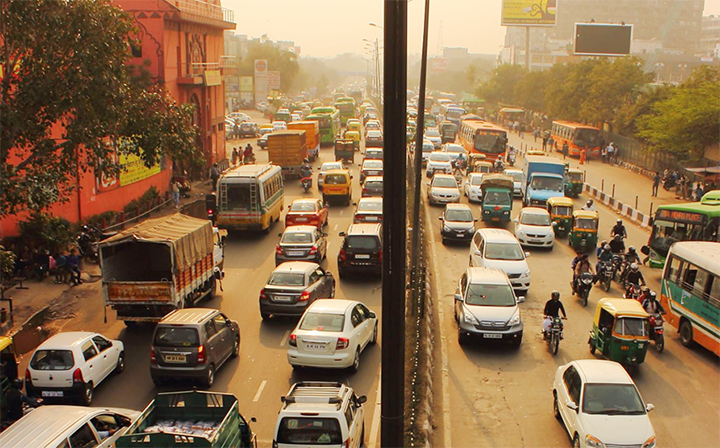
Photo courtesy: Pixabay
Economic indicators point to a resilient economy, but also a shifting growth model in which investment, infrastructure, formalisation and digitalisation are outpacing consumption
Goods and Services Tax (GST) collections remain robust, factories are producing more, digital payments are setting new records, automobile sales are growing and the government's finances remain broadly on track. Taken together, the latest economic indicators suggest that growth momentum has survived a turbulent global backdrop marked by geopolitical tensions, trade uncertainty and rising energy costs.
Yet the numbers tell a deeper story than growth alone. They suggest that the engines powering India's economy are changing. Investment, infrastructure spending, formalisation and digitalisation are increasingly driving activity, while broad-based consumption remains less convincing.
The clearest signal comes from GST collections. Gross GST revenue rose 3.2 per cent year-on-year to Rs 1.94 lakh crore in May, while net collections increased 3.3 per cent to Rs 1.67 lakh crore after refunds. The headline numbers appear modest, but they are distorted by a high base effect arising from a one-time spectrum payment of around Rs 10,000 crore made by a telecom operator in May last year. Adjusted for that, gross GST growth would have been close to 9 per cent and net growth over 10 per cent.
More revealing is the composition of the collections. Domestic GST revenue contracted while GST from imports surged 19.1 per cent. Collections from imports of coal, semiconductors, computer-processing units, lithium-ion batteries and copper registered sharp increases. This points to rising demand for industrial inputs used in electronics, renewable energy, electric vehicles and power equipment manufacturing.
At one level, the GST data confirms that economic activity remains strong. At another, it indicates that growth is increasingly being driven by investment-linked sectors rather than a broad-based consumption boom. The fact that taxable supplies in sectors such as computers, telecom equipment, electrical machinery and passenger vehicles recorded double-digit growth reinforces this trend.

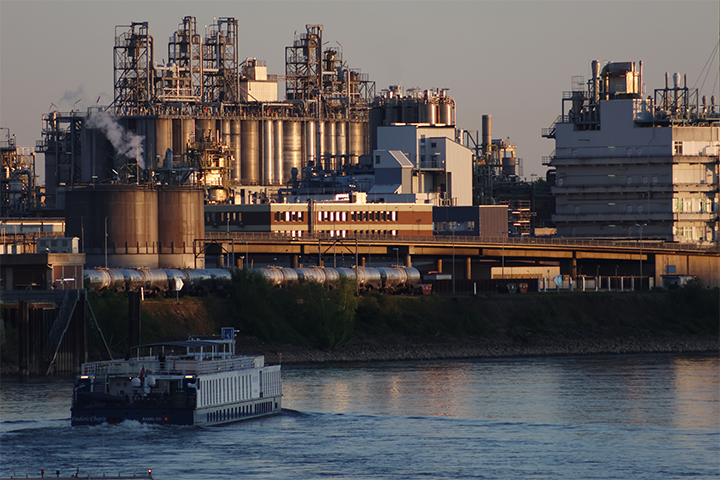
The latest industrial production data tells a similar story. The Index of Industrial Production grew 4.9 per cent in April under the revised 2022-23 base-year series, up from 3.2 per cent in March. Manufacturing, which accounts for more than three-fourths of the index, expanded 6.2 per cent and remained the principal driver of growth.
The standout number was capital goods production, which surged 16 per cent. Capital goods are machinery and equipment purchased by businesses to expand productive capacity. Strong growth in this category is often interpreted as evidence that companies are investing for future demand rather than merely responding to current orders.
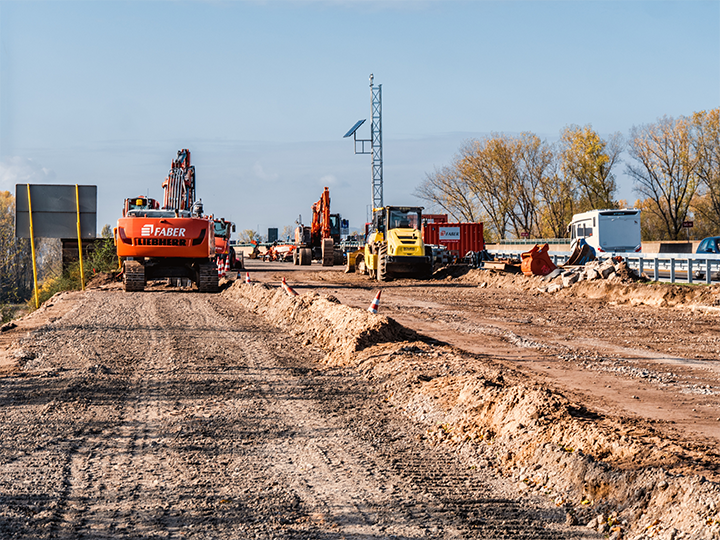
Intermediate goods output rose 7.7 per cent, while infrastructure and construction goods increased 7.1 per cent. These are classic signs of an economy benefiting from public infrastructure spending and a gradually strengthening private investment cycle. Mining contracted 5.1 per cent, but the broader picture remains one of industrial expansion.
Manufacturing activity, as measured by the Purchasing Managers' Index (PMI), further reinforces that assessment. The PMI rose to 55 in May from 54.7 in April, marking the strongest reading in three months and extending the sector's expansion streak to 55 consecutive months. New orders, output and purchasing activity all accelerated.
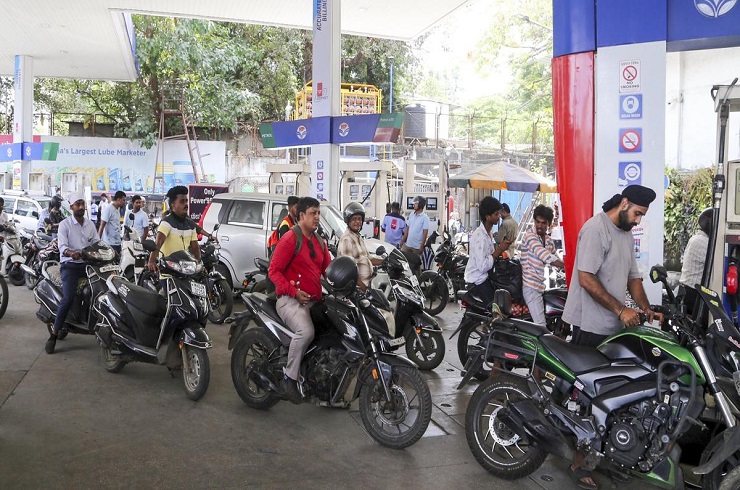
At the same time, the survey highlighted growing cost pressures. Rising fuel, transportation and imported input costs linked to the West Asia conflict have pushed up input prices. Firms appear to be increasing inventories as a precaution against future supply disruptions. The manufacturing sector remains optimistic, but the inflationary risks are becoming harder to ignore.
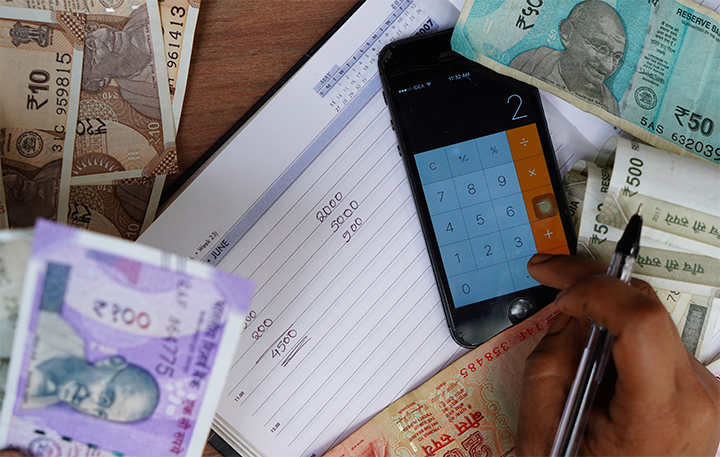
Perhaps the most remarkable transformation is occurring in India's digital economy. UPI transactions reached a record Rs 29.9 lakh crore in May, while transaction volumes crossed 2,320 crore for the first time. Daily transactions rose to 74.8 crore.
These figures underline how deeply digital payments have penetrated everyday economic activity. The average UPI transaction value has steadily declined over the years, indicating that the platform is increasingly being used for routine purchases rather than only larger transactions. From neighbourhood shops and street vendors to e-commerce and transport services, UPI has become the payment backbone of the economy.
Automobile sales offer another window into consumer sentiment. Maruti Suzuki reported its highest-ever monthly sales in May, while Hyundai and Mahindra also posted strong growth. Mahindra's utility vehicle and tractor businesses performed particularly well, reflecting healthy demand from both urban and rural markets.
Vehicle purchases are among the largest discretionary expenses for households. Sustained growth in automobile sales therefore suggests that consumer confidence remains intact. However, demand continues to be strongest in utility vehicles and premium segments, indicating that higher-income consumers remain more willing to spend than those at the lower end of the income spectrum.

Finally, the fiscal numbers provide reassurance on macroeconomic stability. The Centre ended FY26 with a fiscal deficit of 4.4 per cent of GDP, exactly in line with its revised target. Tax revenues increased, non-tax revenues rose sharply and capital expenditure climbed to Rs 10.7 lakh crore.
This achievement is significant because it demonstrates that the government has been able to pursue fiscal consolidation without sacrificing infrastructure investment. At a time when many economies face difficult trade-offs between growth and fiscal prudence, India appears to be managing both reasonably well.
Taken together, these indicators paint the picture of an economy that remains resilient and continues to grow despite an uncertain global environment. But they also reveal a changing growth model. Investment, infrastructure, formalisation and digitalisation are increasingly driving expansion, while consumption growth remains uneven.
The economy's engine is running steadily. The challenge now is to ensure that growth becomes broader, generates more jobs and reaches a larger share of Indian households.