Friday, 16 Oct, 2026

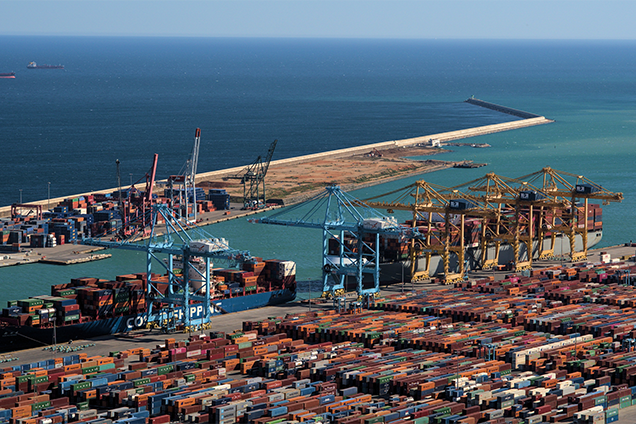
Photo courtesy: Pixabay
New Delhi can sustain a large import bill if imports boost productivity, capacity and exports. But if growth remains dependent on imported energy, electronics and industrial inputs, faster expansion will also widen the external deficit
India’s July trade data expose a central tension in the economy: exports are growing strongly, but imports are rising faster. Merchandise exports surged nearly 20 per cent, yet a larger import bill pushed the trade deficit to a six-month high. The numbers point both to robust domestic activity and to India’s continuing dependence on imported energy, electronics and industrial inputs.
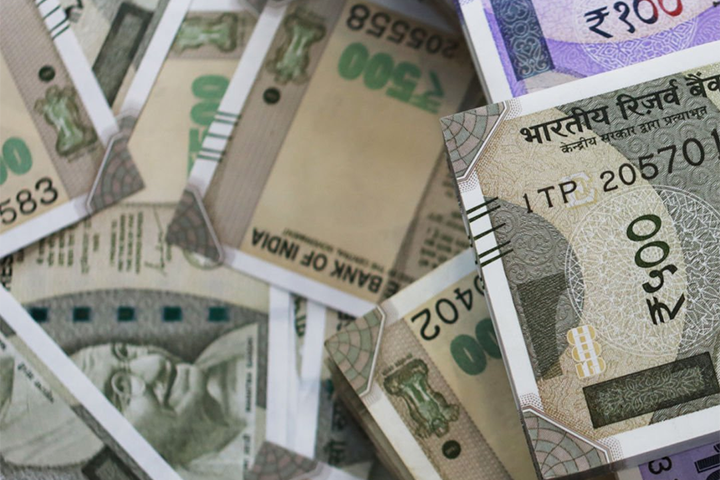
The merchandise trade deficit widened to $31.98 billion in July, from $30.42 billion in June and $27.88 billion in July 2025, according to commerce ministry data released on Thursday. Merchandise exports rose 19.63 per cent year-on-year to $44.24 billion, while imports increased 17.52 per cent to $76.22 billion. Both were their second-highest levels for the period, while imports reached a nine-month high.
July’s export growth was the strongest since June 2022, when shipments rose 30.12 per cent. The Centre attributed the latest rise to higher prices and a swift rebound in shipments to West Asia after disruption during the US-Iran war.
But the import surge carries greater macroeconomic significance. During April-July 2026-27, exports rose 17.04 per cent to $173.78 billion, while imports climbed 19.27 per cent to $292.38 billion. The merchandise trade deficit consequently widened to $118.60 billion, from $96.66 billion in April-July 2025-26.
The main pressure came from commodities and products where India remains heavily dependent on overseas supplies. Crude oil imports rose 17.64 per cent to $18.31 billion, with Brent crude ranging between $72 and $95 a barrel during July. Oil alone accounted for about 24 per cent of total imports.

Electronics imports jumped 46 per cent to $14.37 billion. Fertiliser imports rose more than 55 per cent to $2.48 billion, coal shipments increased 29 per cent to $3.05 billion, and gold imports rose nearly 5 per cent to $4.16 billion. Chemical imports climbed nearly 22 per cent to $1.22 billion. Imports of raw cotton, pulses, chemical materials and project goods also added to the bill. Project-goods imports rose about 180 per cent to $90.64 million.
The concern is not that imports are rising per se. Capital goods, machinery and intermediate inputs can indicate stronger investment and domestic production. The problem is that a large part of the increase remains concentrated in energy and critical inputs that India cannot yet produce competitively at sufficient scale.
The export side provides a strong counterweight. Engineering-goods exports grew nearly 18 per cent to $12.24 billion, while electronic-goods exports jumped 57.4 per cent to about $6 billion; the detailed ministry data put them at $5.92 billion. Petroleum-product exports increased 67.64 per cent to about $7 billion, or $6.92 billion in the detailed data. The government attributed the export increase mainly to petroleum products, electronics, engineering and marine goods.
Exports rose to several major markets, including the US, Singapore, China, South Africa, Tanzania and Malaysia. The US remained India’s largest export market, with shipments rising nearly 13 per cent to $9.02 billion. July marked a return to export growth after declines in each of the previous two months.
West Asia also recovered as a market. India’s exports to the region rose 8.62 per cent to $5.70 billion, from $5.24 billion a year earlier. Imports from West Asia, however, were $9.81 billion, though down nearly 21 per cent year-on-year.

China remains the bigger structural challenge. Chinese imports rose more than 34 per cent to $14.67 billion, making it India’s largest import source. Indian exports to China nevertheless surged 65 per cent to $2.20 billion. The faster export growth is encouraging, but the size of the trade gap underlines India’s continued dependence on Chinese goods and components.
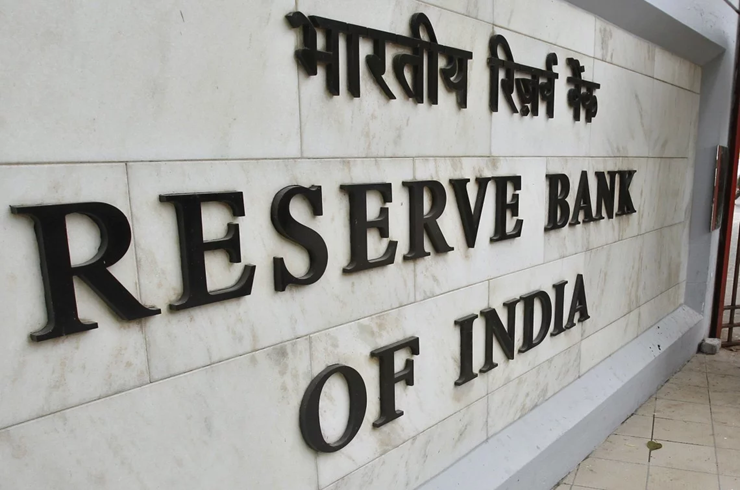
Services remain the crucial buffer. Government estimates put July services exports at $35.89 billion, up a little over 6 per cent year-on-year, while services imports rose nearly 10 per cent to $18.94 billion. That produced an estimated services surplus of $16.95 billion. The Reserve Bank of India is expected to release the final services-trade data later this month.
That surplus helps finance the merchandise deficit and limits pressure on India’s external accounts. Even so, economists expect the current account deficit to widen in July-September.
The policy message is clear. FIEO president SC Ralhan said higher imports of energy, capital goods and intermediates reflect stronger domestic activity, but India must simultaneously strengthen manufacturing capabilities in critical inputs, electronics, machinery and other areas of high import dependence.
That is the real test of the current growth model. India can sustain a large import bill if imports build factories, raise productivity and eventually generate exports. But if rising demand continues to be met disproportionately by foreign energy, electronics and industrial inputs, faster growth will also mean a wider external deficit.
July’s figures are therefore neither a warning of crisis nor a reason for complacency. India is exporting more, but it is still importing even more. The next stage of its growth story depends on turning that import dependence into domestic manufacturing capacity.