Thursday, 17 Sep, 2026

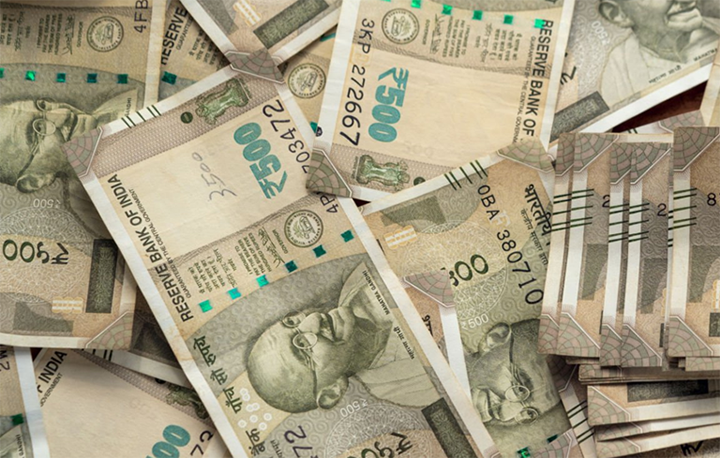
Photo courtesy: Pixabay
With India importing about 90% of its crude, higher oil prices quickly feed into external balances, inflation and fiscal pressures. If sustained, they could become the biggest macroeconomic risk
The Finance Ministry’s latest Monthly Economic Review carries a message that goes well beyond the usual discussion of growth, inflation and fiscal deficits. It says India must rethink the way it prepares for the future because the world itself has changed. For years, economists worried mainly about inflation, interest rates and government finances. Those concerns remain. But today, two new forces are reshaping the global economy: artificial intelligence (AI) and the growing use of trade as a political weapon.
The ministry says India has to “reinvent itself” if it wants to gain strategic strength in this new world. That is easier said than done. Reinvention is not about announcing new schemes. It is about changing the speed at which governments make decisions, businesses invest and institutions adapt.
The report makes an important point. Recent years have forced countries to protect themselves against one shock after another—the pandemic, wars, disrupted supply chains and trade disputes. Those shocks are no longer temporary. They are becoming the new normal.
This changes the rules of economic policy.
The old model assumed that countries could depend on global trade and efficient supply chains. Today, countries are building domestic manufacturing, restricting exports of critical technologies and using tariffs to protect their own industries. Trade is no longer just about economics; it has become an instrument of national strategy.
Artificial intelligence presents another challenge. Like every major technological revolution, it will create new opportunities while destroying some existing jobs. Countries that develop AI technologies will enjoy a clear economic advantage. Those that merely consume them risk falling behind.
The Finance Ministry, therefore, argues that India cannot be content with being a large market. It must become a country that creates technology, attracts investment and responds quickly to changing global conditions.

That requires faster policymaking. India has often been good at announcing reforms but slow in implementing them. In a rapidly changing world, delays carry a higher cost. Investors have choices, and capital moves to countries that provide certainty and speed.
The report comes soon after Prime Minister Narendra Modi met senior officials and urged them to improve governance, reform administrative processes and make institutions more efficient. His message was that reform is not a one-time exercise but a continuous process.
The encouraging part of the Finance Ministry’s assessment is that it does not see India entering this uncertain period from a position of weakness.
It says the economy continues to be supported by strong domestic demand, government policy and structural reforms. The Reserve Bank of India expects the economy to grow by 6.6% in FY27, although it has also warned that risks remain.
The biggest immediate risk comes from oil.
The conflict in West Asia has pushed up crude oil prices. Since India imports around 90% of its crude oil, higher prices quickly affect the trade deficit, inflation and government finances. If oil prices remain high, they could once again become the biggest challenge for economic management.
The ministry is also watching the possibility of an El Niño weather pattern, which could affect farm output and food prices. For now, it believes inflation remains under control because of adequate food stocks, government intervention and contingency plans.
But there is no room for complacency.
The larger lesson from the report is that India cannot control global events, but it can control how quickly it responds to them.
The world is becoming less predictable. Wars can disrupt energy supplies overnight. Tariffs can close export markets. New technologies can make existing industries obsolete within a few years.
India’s size gives it resilience, but size alone is not enough. The winners in the coming decade will be countries that adapt faster than others. That, ultimately, is the central message. The challenge is no longer simply to grow faster. It is to become more agile, more innovative and more resilient in a world where economic success will increasingly depend on how quickly countries adjust to change.




 2.png)