Thursday, 17 Sep, 2026

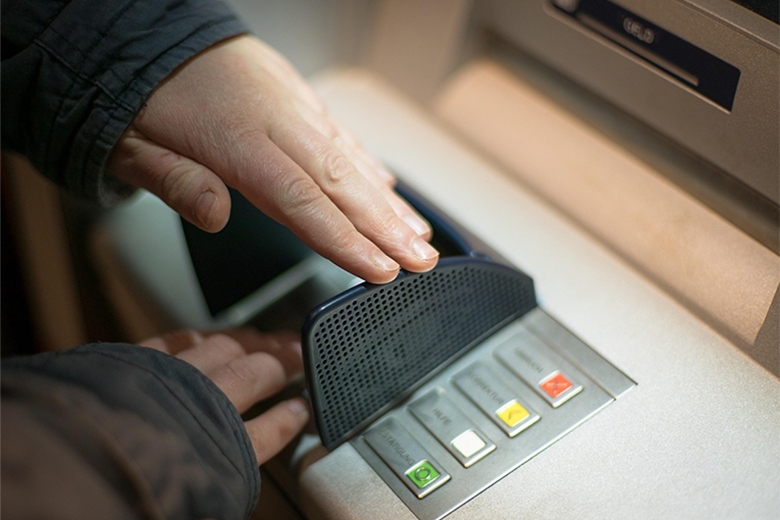
Photo courtesy: PixaBay
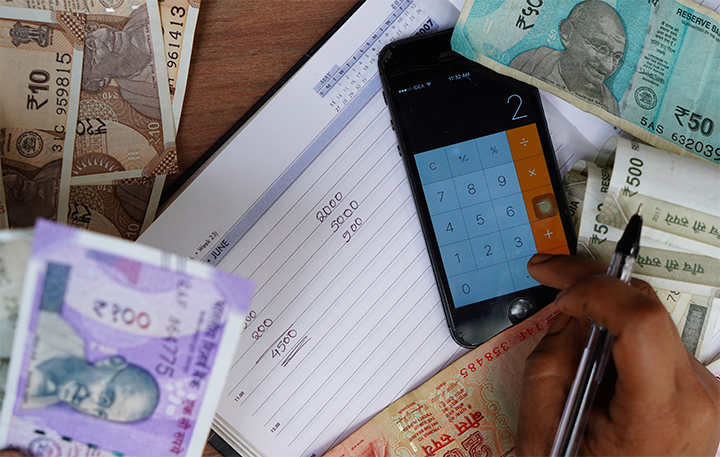
While cash still dominates the economy—making up 89% of transactions in FY22 and around 12% of GDP—ATM access remains limited, with just 15 machines per 100,000 people, well below global norms.
Even as India’s banking sector continues to deepen its physical footprint, the expansion of ATMs has hit a plateau, reflecting a fundamental shift in customer behaviour toward digital transactions.
According to Reserve Bank of India (RBI) data, the total number of ATMs rose marginally from 211,332 in FY21 to 211,654 in FY25—a near-flat trajectory over four years. In contrast, the number of bank branches grew from 130,176 to 142,359 during the same period, underscoring their continued relevance in a digitalising economy.
Experts say the divergence reflects evolving consumer preferences. "The rise of UPI and mobile banking has clearly reduced the need for physical ATMs," said Sachin Sachdeva, Vice President at ICRA. "However, the demand for branches is being driven by their critical role in deposit mobilisation and customer servicing, especially in rural and semi-urban areas."
Indeed, in regions where digital access remains uneven, branches remain a key touchpoint—not just for financial transactions, but also for grievance redressal and financial inclusion efforts.

While urban India is racing ahead with cashless payments, the uneven digital infrastructure across the country means banks are maintaining a dual-track strategy: expanding digitally where possible, while physically anchoring their presence where necessary. The future of banking may be mobile-first, but in India, it’s far from branch-less.
While cash continues to play a dominant role in India’s economy—accounting for 89 per cent of all transactions in FY22 and roughly 12 per cent of GDP—ATM penetration remains strikingly low. According to RBI data published in November last year, India has just 15 ATMs per 100,000 people, well below global averages. Industry experts point to regulatory factors—such as caps on free ATM withdrawals, interoperability mandates, and relatively low interchange fees—that have made fresh investments in ATM infrastructure less attractive for banks and operators.

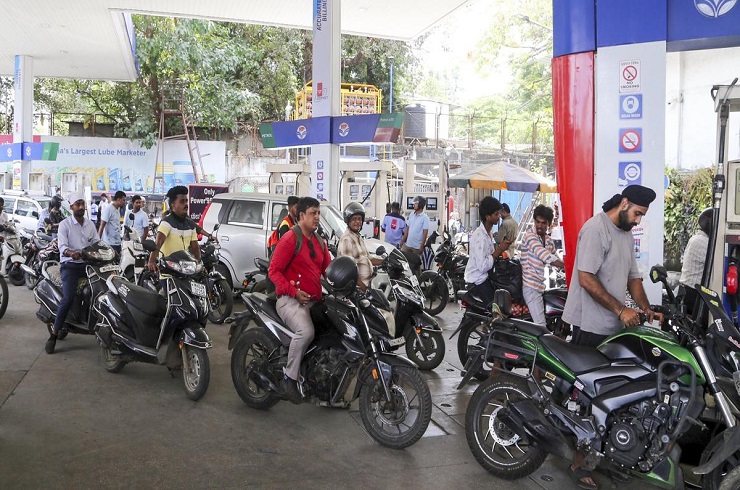
As digital payments surge and operational costs mount, banks are re-evaluating the role of cash machines in their retail strategy. Also, running an ATM is no longer a low-cost affair. Rising expenses related to maintenance, cash handling, and cassette swaps have made ATM operations increasingly expensive for banks, industry experts say. At the same time, the explosive growth of the Unified Payments Interface (UPI) has pulled more customers toward mobile-based, real-time transactions—shrinking the need for physical cash withdrawals.
While public sector banks still dominate the ATM landscape—especially in rural and semi-urban areas—private banks are now beginning to expand their ATM footprint beyond metro cities, recognising the need to maintain physical access points as part of a broader hybrid strategy.
The banking system is thus balancing two imperatives: staying ahead in the digital race while preserving inclusive access to basic banking services. The ATM may no longer be at the heart of the customer experience, but it isn’t obsolete just yet.