Saturday, 28 Nov, 2026

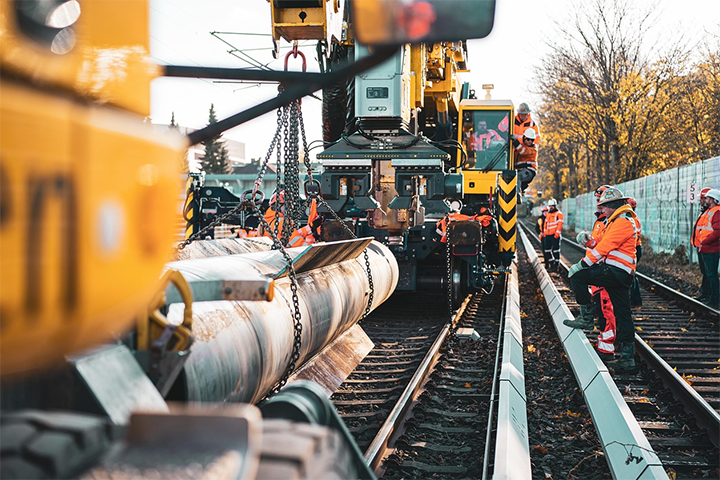
Photo courtesy: Pixabay
A 7.7 per cent expansion signals strength, but the bigger test is whether growth spreads beyond leading sectors, lifts rural incomes and attracts sustained investment
India’s economy appears to have retained its strong growth momentum in the September quarter, but the underlying picture is less reassuring. Manufacturing and services have remained resilient despite external pressures, while weaker farm prospects and a sharp slowdown in government capital spending threaten to make the expansion less broad-based. The economy is growing at a healthy pace, but sustaining it will depend on whether investment and consumption can draw strength from beyond the urban centres.
The median forecast of 11 agencies puts real gross domestic product (GDP) growth at 7.7 per cent in the second quarter of 2026-27 (Q2FY27), marginally below the 7.8 per cent recorded in the preceding quarter. Individual estimates range from 7.2 per cent to 8.1 per cent. The National Statistics Office, under the statistics ministry, is scheduled to release the estimates on November 30.
The forecasts suggest that the momentum established in the first quarter has largely carried over, although some of the drivers have lost pace. Five of the 10 high-frequency indicators improved sequentially in Q2, while the other five weakened. Industrial output, passenger vehicle sales and fuel consumption gathered pace. Bank credit growth also accelerated, pointing to continued demand for finance among households and businesses.

Manufacturing and services have provided the main support. Their purchasing managers’ indices (PMI) eased from Q1 levels, indicating slower growth in new orders, but both remained firmly in expansion territory. Corporate earnings also offered encouragement. Stronger sales and profits suggest that manufacturers have managed to sustain business volumes despite higher input costs.
The Centre’s investment spending, however, is a concern. Capital expenditure growth slowed sharply to single digits from double digits in the previous quarter. This is significant because public investment in infrastructure supports demand for construction materials, capital goods and industrial services. It also creates conditions for private investment to follow. A prolonged slowdown could weaken this support at a time when the economy needs investment from both the public and private sectors to sustain expansion.
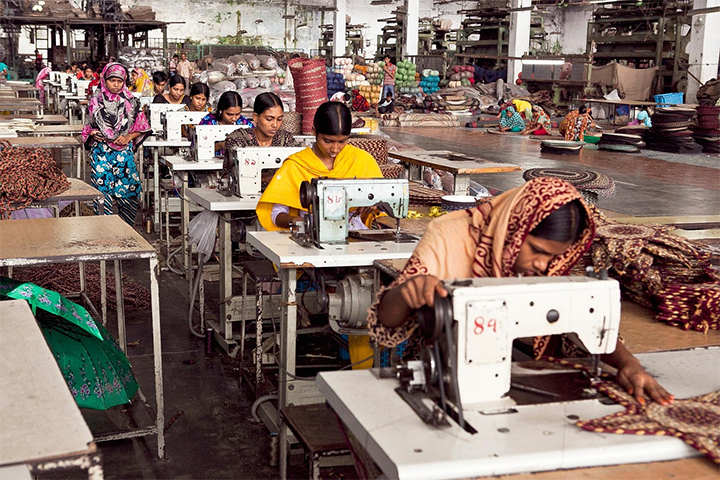
Agriculture presents another source of uncertainty. A sub-par monsoon, a dip in kharif sowing and the possibility of lower crop yields are expected to weigh on farm output. The consequences could extend well beyond the agricultural sector. Rural incomes influence purchases of two-wheelers, tractors and everyday consumer goods. Demand for work under the new VB-G RAM G rural employment scheme increased during the quarter, offering an early indication of pressure on rural livelihoods.
The divergence between urban and rural demand is becoming harder to ignore. Urban consumption has remained relatively resilient, supported by passenger vehicle sales and other indicators. Rural demand, by contrast, has shown signs of strain, with tractor and two-wheeler sales moderating. If farm incomes weaken, households may postpone discretionary purchases, limiting the contribution of consumption to overall growth.

Credit and tax collections provide a more positive picture. Non-food bank credit growth of 17-19 per cent, with personal loans expanding at similar rates, points to strong borrowing demand. Elevated capital goods imports also suggest that investment-related activity remains firm. A pickup in corporation tax and goods and services tax collections reinforces the evidence of sustained economic activity.
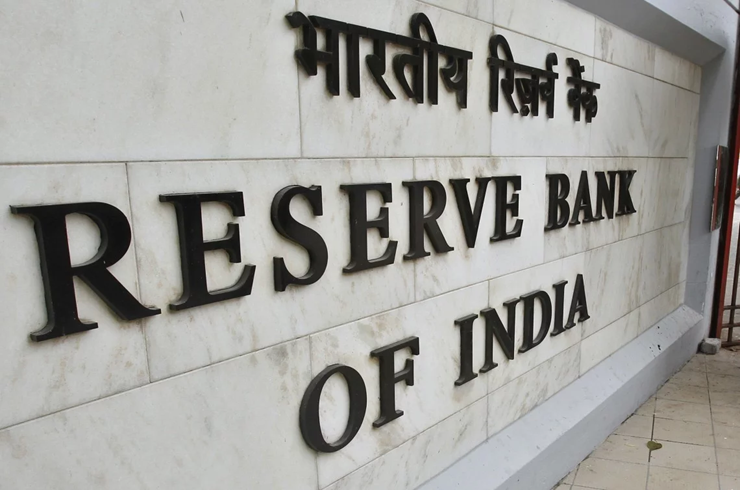
The forecasts reflect this broad resilience, although economists differ on its strength. The Finance Ministry's nowcasting model estimated Q2 growth at 7.35 per cent, while the State Bank of India, tracking 54 indicators across consumption, agriculture, industry and services, pegged it at around 7.8 per cent. Emkay Global Financial Services expects growth of 7.8-8.1 per cent, while IDFC First Bank forecasts 8 per cent, citing manufacturing and corporate earnings. Canara Bank expects 7.9 per cent. At the lower end, QuantEco Research projects 7.2 per cent, in line with the Reserve Bank of India’s estimate.
Higher crude oil prices have not materially dented activity so far. The economy’s reduced oil intensity means that a given increase in international prices has a smaller impact on growth than it did a decade ago. But this does not remove the risks from external uncertainty or rising production costs.
The September-quarter performance points to resilience, not necessarily a stronger growth cycle. Manufacturing and services are holding up, but slower public investment and pressure on rural incomes could limit the next phase of expansion. The challenge is to ensure that growth is supported by a wider recovery in demand and investment, rather than relying predominantly on urban consumption and a few resilient sectors. A 7.7 per cent expansion would be impressive, but its durability will depend on how widely its benefits and momentum spread across the economy.