Thursday, 17 Sep, 2026

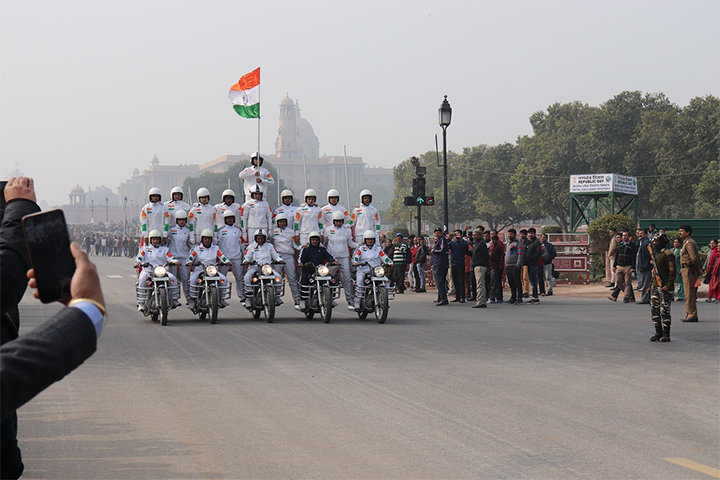
Photo courtesy: Pixabay
Indian Army, Capex, Capital expenditure, Navy, Air Force, Defence budget India, Army modernisation India, Republic Day, Defence spending, Indian defence forces
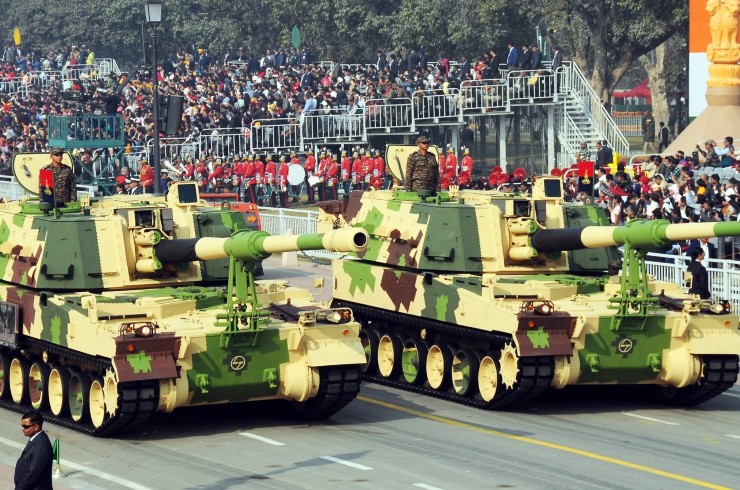
India’s 77th Republic Day parade was a vivid demonstration of the Army’s modernisation and operational readiness. Along Kartavya Path, new formations, high-mobility reconnaissance vehicles, India’s first indigenously designed armoured light specialist vehicle, and aerial elements were on display for the first time in a phased “Battle Array Format.” The parade underscored not only the country’s military capability but also the Army’s effort to adapt to contemporary battlefields.
Yet behind the spectacle lies a stark reality: the Army, which bears the heaviest operational burden, has seen its share of defence capital expenditure decline steadily over the past decade. Earlier this month, Army Chief General Upendra Dwivedi noted that at least eight terror camps remain active across the International Border and the Line of Control. Persistent threats on these fronts demand a well-equipped and modern Army. However, the numbers paint a different picture.
In FY16, the Army accounted for 28.74 per cent of total defence capital spending— the funds allocated for modernisation, weapons, and platforms. By FY24, this share had dropped to 18.54 per cent, a decline of over 10 percentage points in less than a decade. The Army has consistently trailed the Navy and the Air Force in capital allocations since FY21, even as its operational responsibilities have remained heavy and, in some areas, increased.

The spending pattern reflects structural realities within India’s defence budget. Air and naval modernisation are capital-intensive. Fighter jets, aircraft carriers, submarines, and surveillance systems require large upfront investments, which have absorbed a growing share of the defence modernisation budget. By contrast, the Army’s expenditure is heavily weighted toward personnel costs. In FY26 (Budget Estimates), the Army accounted for 76.69 per cent of total defence salary expenditure, slightly down from 79.02 per cent in FY14. Pensions, while eased somewhat since FY17 due to retirement reforms and changes in accounting methods, still form a significant portion of the Army’s financial burden.
This imbalance between capital and revenue spending has implications for operational readiness. While salaries and pensions ensure that personnel needs are met, the limited capital allocation restricts large-scale acquisition of modern equipment. In practice, the Army remains a manpower-heavy force with constrained financial space for rapid modernisation or investment in cutting-edge technology.
Over the past year, the Army has secured approvals for several new acquisitions aimed at addressing capability gaps. These include high-mobility reconnaissance vehicles, armoured light specialist vehicles, and other platforms aligned with faster deployment and networked warfare. Some of these were showcased during the Republic Day parade, highlighting incremental progress in modernisation. Nevertheless, approvals do not automatically translate into immediate capability upgrades. Procurement processes, production timelines, and budgetary cycles can delay the realisation of these capabilities.

The disparity in capital allocation also points to strategic prioritisation by the Ministry of Defence. Modernisation of the Air Force and Navy aligns with India’s broader security doctrine, which increasingly emphasises deterrence, rapid response, and technological parity with regional rivals. Yet the Army, which continues to face direct threats on two active fronts, operates with fewer resources for acquisition. The tension between personnel-heavy expenditure and capital needs remains a structural challenge for Indian defence planning.
In FY26, the Army remains the largest consumer of defence salaries and pensions, carrying over three-fourths of the total expenditure in these categories. Even as capital spending increases gradually with new approvals, the Army is unlikely to match the Navy and Air Force in terms of high-value acquisitions in the near term.
The Republic Day parade, with its impressive display of vehicles, formations, and aerial components, projected an image of strength and readiness. But the underlying budget numbers tell a more nuanced story: a force in transition, adapting to evolving security threats while constrained by fiscal realities. The Army continues to carry the heaviest operational load, faces persistent threats along multiple fronts, and must modernise within a framework of limited capital spending. The path ahead requires balancing personnel costs with urgent capital needs, ensuring that the Army’s operational capabilities keep pace with India’s security challenges.