Thursday, 17 Sep, 2026

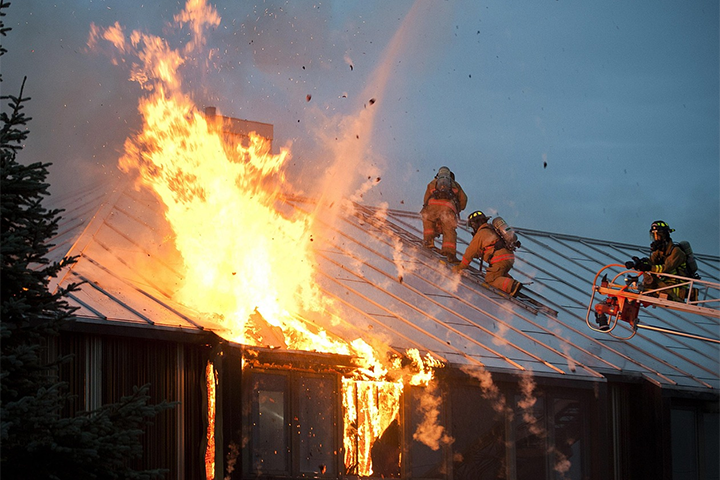
Photo courtesy: Pixabay (Representational image)
Commercial buildings were the second-deadliest sites for fire deaths in 2023, causing 3.5% of fatalities. Weak oversight and token safety audits leave businesses exposed, a risk underscored by the Goa tragedy
A deadly blaze at a Goa nightclub on December 7 has once again thrown spotlight on India’s fragile fire-safety systems. At least 25 people died and six were injured after electric firecrackers allegedly ignited the flames. The incident fits a troubling national pattern: commercial spaces continue to expand rapidly, but fire-safety enforcement hasn’t kept pace.
Commercial buildings were the second-deadliest locations for accidental fire deaths in 2023, accounting for 3.5% of all fatalities, NCRB data show. From nightclubs and restaurants to markets and offices, many businesses operate with poor compliance and weak oversight. The Goa fire reflects this larger reality—safety audits often remain paperwork exercises rather than meaningful checks.
Homes remain the deadliest places
Residential structures accounted for 54.2% of fire deaths in 2023, making homes the most dangerous sites. Faulty wiring, gas leaks, crowded layouts, and the absence of basic firefighting tools continue to put households at serious risk. While cities have grown faster than regulations, fire-prevention practices inside homes have barely changed.
Fire deaths fell from 9,329 in 2020 to 7,054 in 2023. Their share in accidental fatalities declined to 1.6% from 2.4%. But experts warn the improvement masks enduring structural flaws. Rapid urbanisation and dense construction heighten the stakes; even minor lapses can now turn catastrophic.

Jharkhand’s stark numbers
One-third of India’s commercial-building fire deaths occurred in Jharkhand in 2023. The state has consistently accounted for between one-third and half of such fatalities from 2020 to 2023. Bihar and Tamil Nadu also recorded sharp spikes last year. The concentration exposes serious gaps in enforcement, licensing, and building oversight.
In 2023, factories making combustible materials accounted for 1.5% of fire deaths, general manufacturing for 1.1% and vehicles for 2.1%. Schools, government offices, trains, and mines reported minimal shares, though incidents in these areas tend to attract national attention. The “others” category—ranging from farms to temporary structures—made up 37.3%, underscoring how widespread fire vulnerabilities remain.
Rising toll in commercial buildings
Deaths in commercial sites rose from 157 in 2020 to 230 in 2023. Inspections are irregular, and critical systems—sprinklers, alarms, hydrants—are often missing or defunct. Congested building layouts make evacuation difficult even when warning systems work. Compliance tends to be reactive, strengthening only after a tragedy.

The nightclub fire in Goa reveals multiple weaknesses common across India: overcrowded venues, poor wiring, combustible interiors, and lax monitoring. The preliminary evidence points to indoor firecrackers—an obvious hazard—being used despite the risks. When combined with packed rooms and limited exits, disaster is almost inevitable.
Growth outpacing safety
India’s booming construction and consumption patterns have created more commercial spaces and denser footfall. But fire-safety norms have not kept up. Declining overall fatalities may signal progress in some pockets, but the underlying system remains inconsistent, under-supervised, and often ignored.
Until checks are routine, penalties meaningful, and compliance non-negotiable, preventable fires will continue to claim lives. The Goa tragedy is only the latest reminder—and a warning that the gap between growth and safety remains dangerously wide.

What’s next
The Goa tragedy is likely to trigger state-level crackdowns—rapid inspections of clubs, restaurants, malls, and banquet halls. But unless these translate into sustained enforcement, they risk becoming one-week exercises that fade as headlines move on.
The Centre may also face pressure to revisit national fire-safety norms, especially for commercial establishments that have proliferated in high-density cities. Insurers, too, could play a bigger role. Higher premiums for non-compliant buildings and mandatory fire audits for large commercial spaces would create market pressure for safety upgrades.