Friday, 16 Oct, 2026

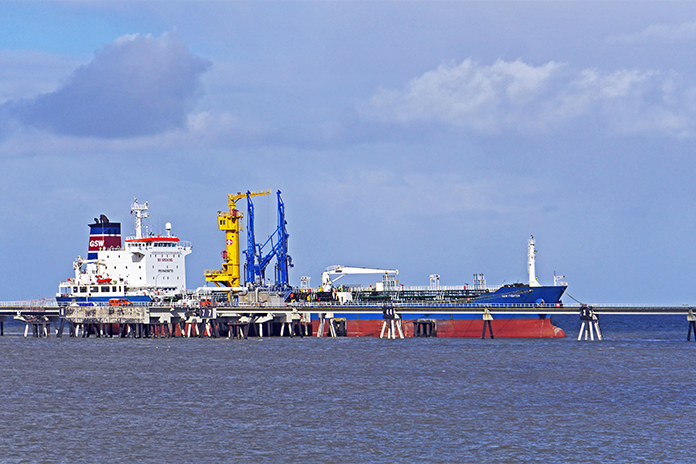
Photo courtesy: Pixabay
A prolonged West Asia crisis would underscore India’s need to diversify energy supplies, boost domestic output and cut oil dependence. Cheap crude has long masked the vulnerability
The rising crude oil bill is not just a bad month for the trade account. It exposes a familiar weakness in the economy: when global oil prices climb, India feels the impact quickly because it imports most of the crude it needs.
The July figures show where the pressure is coming from. The crude import bill rose 41 per cent from a year earlier to $13.7 billion, while import volumes increased 13 per cent to 21.4 million tonnes. Much of the increase in the bill was therefore driven by higher prices. The Indian crude basket averaged $82.04 a barrel in July, compared with $70.95 a year earlier.
That matters for the wider economy. India is not importing dramatically more oil; it is paying more for the same essential commodity. Since crude makes up roughly a fifth of the country’s merchandise imports, a prolonged rise in prices would mean a larger trade deficit and greater pressure on the rupee. It also leaves less foreign exchange available for other imports and raises the risk of higher costs feeding through to businesses and consumers.
More significantly, the July increase is not an isolated spike. In the first four months of 2026-27, India’s crude oil import bill surged 56.5 per cent to $63.4 billion. The net oil and gas bill, after accounting for exports of refined petroleum products, rose 40.3 per cent to $57.8 billion. That is a sizeable leakage of foreign exchange at a time when India is trying to keep its external finances comfortable.
There is, however, an important cushion that should not be overlooked. India is not merely an oil consumer; it is also a major refiner and exporter of petroleum products. Refinery exports earned $5 billion in July, up 8.3 per cent from a year earlier. This allows India to recover part of the value added from imported crude by selling refined fuels overseas.

But the cushion is only partial. The net oil and gas bill still rose 19 per cent in July to $11.2 billion. In other words, the refining industry can soften the shock, but it cannot eliminate the economy’s exposure to expensive crude.
The supply disruption in West Asia makes the problem more serious because it raises both the price of oil and the cost and risk of transporting it. Any prolonged disruption around the Strait of Hormuz or Bab-el-Mandeb can tighten global supplies and push up freight and insurance costs. For India, which depends heavily on imported energy, the economic effect can therefore be larger than the movement in the crude price alone suggests.
The impact will spread beyond the oil sector. Expensive crude raises the cost of transport, aviation, chemicals, plastics and a wide range of manufactured goods. If companies absorb those costs, profit margins come under pressure. If they pass them on, inflation becomes harder to contain. The eventual burden falls on households through higher transport and other prices, potentially leaving less money for discretionary consumption.
The government faces a similar trade-off. Higher fuel prices can improve tax collections, but keeping retail fuel prices from rising sharply can limit that benefit and shift part of the burden to oil companies or the public finances. The policy challenge is to prevent an external oil shock from becoming a domestic inflation shock.
India’s supplier mix provides some protection but also exposes a strategic reality. Russia supplied 55.5 per cent of India’s crude imports in July, while Russia, the UAE, Saudi Arabia, Venezuela and Brazil together accounted for more than 80 per cent. The diversity is useful, but the heavy dependence on a handful of suppliers means that disruptions, sanctions, shipping constraints or geopolitical realignments can have an outsized effect on Indian energy costs.
For now, the economy can absorb the shock. India has strong domestic demand, a large refining industry and considerable experience in managing external energy pressures. But a prolonged period of expensive oil would make the task of maintaining growth without reigniting inflation considerably harder.
The central message from the July data is therefore not that India is running short of oil. It is that India is becoming more expensive to run when the world’s oil supply is disrupted. Every sustained increase in crude prices transfers income from an import-dependent Indian economy to oil-producing countries. That weakens the trade balance, raises inflation risks and can squeeze corporate margins and household purchasing power.
The longer the West Asia disruption lasts, the more important India’s efforts to diversify energy sources, expand domestic production and accelerate the shift towards less oil-intensive growth become. Cheap oil has often hidden India’s energy vulnerability. The latest figures show what happens when that cushion disappears.